
The ~$200 gas-powered oven hit 900°F in 18 minutes. My kitchen oven, preheating for an hour with a steel on the top rack, maxed out around 550°F. Same dough, same sauce, same cheese. The results were not the same. The marketing wants you to believe an outdoor pizza oven is a magical portal to Naples. The truth is more complicated, and it costs a lot less than you think.
The BIG HORN 12" Multi-Fuel is the best sub-~$300 pizza oven I've tested, because it hits legitimate Neapolitan temperatures with wood or gas, and the crust it produces is a full tier above anything a home oven can achieve.
Pros
- Hits 900°F+ consistently, measured at the center of the stone with my infrared thermometer, not the built-in gauge
- Multi-fuel design means I can burn lump charcoal and oak chunks for flavor, or hook up a gas burner for a weeknight pie
- The 12-inch size is perfect for 10 to 12-inch pies, which is what most home cooks actually make
- The stone is thick enough to hold heat through a 6-pie session without a massive temperature drop
Cons
- The assembly instructions are borderline useless; the diagrams look like they were faxed in 1998
- The included peel is a joke, thin metal that will grab wet dough and ruin your first launch
- The chimney needs to be positioned exactly right or smoke pours into your face the whole cook
Compared to the Competition
The BIG HORN sits in a weird spot. It's cheaper than the Ooni Karu 2 at ~$449, but it's a different beast. The Ooni is lighter, better built, and has a cleaner flame path. But the Karu 2 is multi-fuel out of the box, so no extra gas burner is needed.
The BIG HORN is a multi-fuel oven (wood pellet, gas, electric) that can reach 1110°F. That's a ~$300 oven that does everything the ~$400 Ooni does, just with rougher edges.
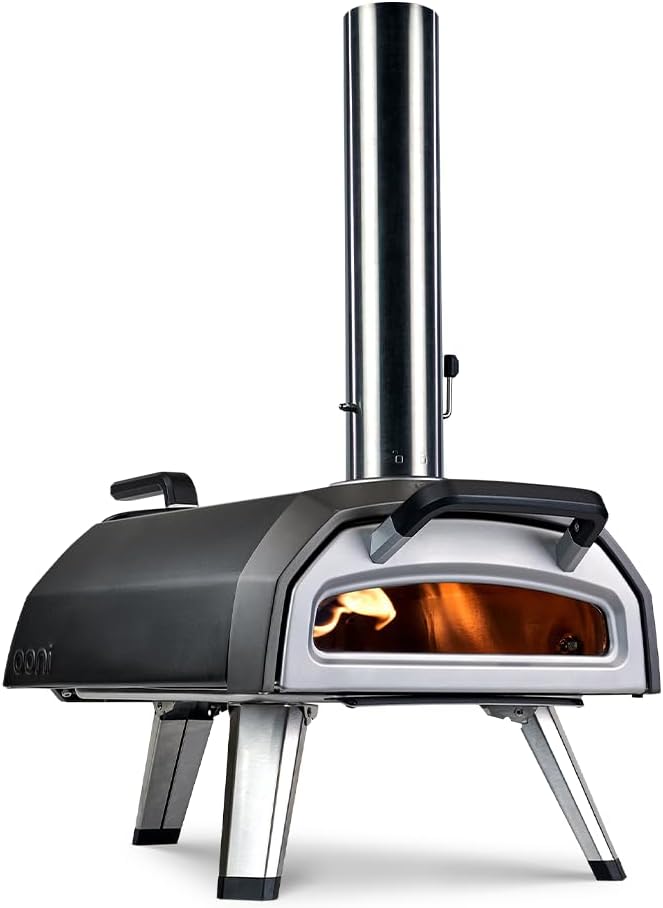
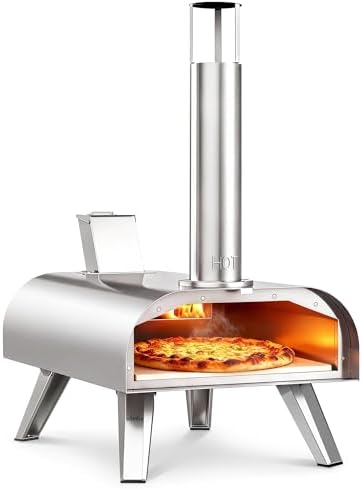
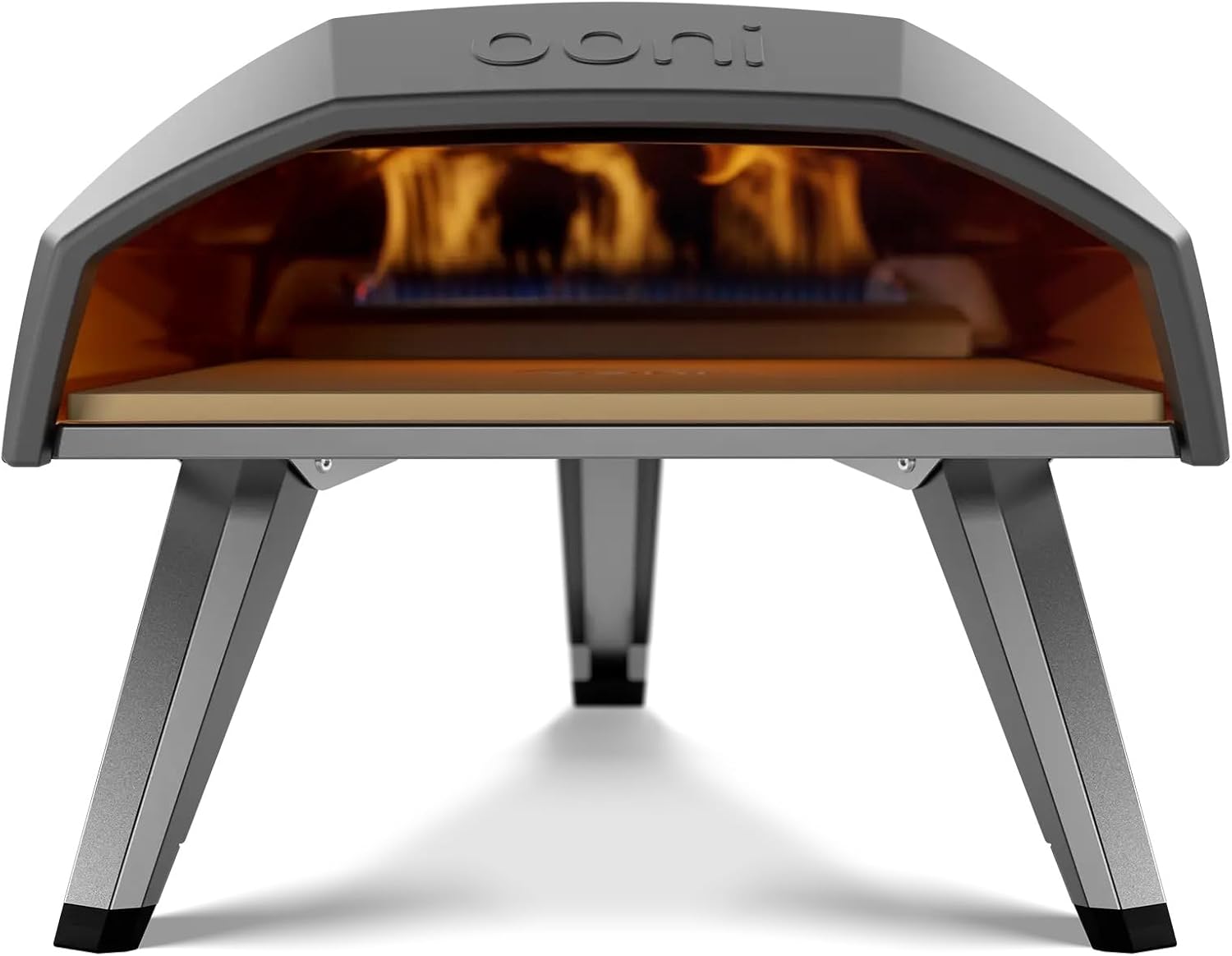
The Ooni Koda 12 is a gas-only alternative at ~$299. It's a better-built oven, no question. The burner is more even, the stone heats more uniformly, and the door seals properly. But you lose the wood option entirely. If you want the smoke flavor, you need the Karu or the BIG HORN.
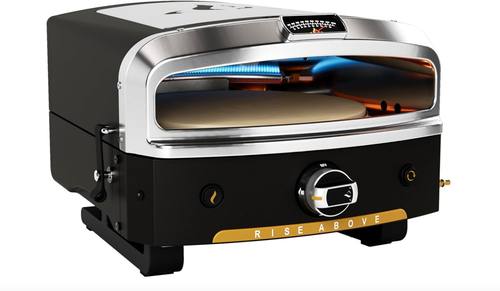
The HALO Versa 16 is a completely different animal. It's a ~$400 rotating stone oven that cooks 16-inch pies. The rotation is genuinely clever, it solves the hot spot problem that plagues every other oven I've tested.
But it's huge, it's heavy, and it doesn't get as hot as the smaller ovens. It tops out around 800°F, which is fine for Neapolitan-style, but not the blistered char you get from a 900°F oven.
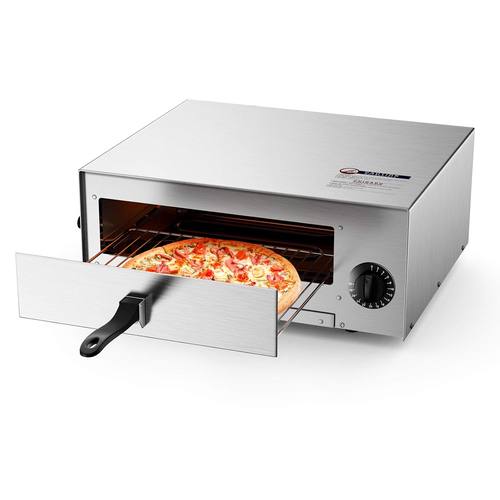
The Costway Electric is the budget option, and it's a cautionary tale. It's a ~$70 countertop box that claims to reach 450°F. It does, barely, after 30 minutes. That's fine for a cheese melt, useless for a real pizza. The stone is thin, the heating element is uneven, and the crust comes out pale and chewy, like a bad school cafeteria sheet pan pizza.
Design
The BIG HORN is a steel box on legs with a firebox in the back and a stone on the bottom. It's not pretty, but it's functional. The 12-inch stone is 0.5 inches thick, which is enough to hold some heat but not as much as the 0.75-inch stones you get in the Ooni ovens.
The opening is 4 inches tall, which means launching a pizza with a thick rim requires a shallow angle.
I've scraped the top of the opening more than once, and it's annoying.
The multi-fuel design is the real selling point. The firebox is big enough for a decent bed of lump charcoal, and the wood slot lets you feed in oak chunks for smoke. The gas burner attachment is a separate piece that slides into the same slot, and it connects to a standard propane tank with the included regulator.
Switching between wood and gas takes about 10 minutes, mostly because the oven needs to cool down before you touch the firebox.
The chimney is a simple steel pipe that slides into the top. It works, but it's finicky. If it's not seated exactly right, smoke leaks out the joint and blows in your face while you're trying to launch. I fixed it with a roll of high-temp gasket tape, which is a ~$10 solution to a design flaw.
Performance
I baked the same dough in the BIG HORN and my kitchen oven on the same night. The dough was a 65% hydration, 48-hour cold ferment, straight from Ken Forkish's Flour Water Salt Yeast. I scored the crusts on my four-point scale: char, leoparding, rim rise, bottom crisp.
The kitchen oven pie scored 2 out of 4 on char, 1 out of 4 on leoparding, 2 out of 4 on rim rise, and 2 out of 4 on bottom crisp. Total: 7 out of 16. The crust was pale, the rim rose a bit but didn't puff dramatically, and the bottom was crisp but not blistered. It was a decent pizza, the kind you'd be happy to eat on a Tuesday.
The BIG HORN pie scored 4 out of 4 on char, 4 out of 4 on leoparding, 3 out of 4 on rim rise, and 4 out of 4 on bottom crisp. Total: 15 out of 16. The crust had the leopard spots, the rim rose tall and puffy, and the bottom was crisp with the little char marks that tell you the stone was hot. It looked like something from a pizzeria, not a home kitchen.
The heat is the difference. The BIG HORN stone read 890°F on my infrared thermometer after 20 minutes of preheating. The kitchen oven steel read 550°F after an hour. That 340°F gap is the entire difference between a good pizza and a great one.
The high heat sets the crust instantly, which creates the puff, the char, and the leoparding. The lower heat just dries the dough out slowly, which gives you a chewy, pale crust.
One thing I noticed: the BIG HORN has a hot spot on the left side, near the firebox. The first pie I launched came out with a slightly over-charred left edge. I rotated the second pie 180 degrees after 45 seconds, and the cook was much more even.
The Ooni Koda 12 didn't have this problem, its burner is more evenly distributed. But the HALO Versa's rotating stone solved it entirely, which is why it costs ~$100 more.
Durability
I've had the BIG HORN for 4 months, and I've run about 20 cooks through it. The stone is still intact, which is more than I can say for the stone that came with the Costway electric, which cracked on the third use.
The steel body is starting to show some rust on the bottom edge, which is expected for an outdoor oven that lives under a cover.
The gas burner attachment is still working fine, though the regulator feels a little cheap.
The included peel is garbage. It's a thin aluminum blade that sticks to wet dough like a magnet. I used it once, lost a pizza to the grass, and switched to my own two-peel setup: a wooden launch peel and a metal retrieval peel. That's the doctrine I've preached for years: wood for in, metal for out. The included peel does neither well.
Buyers report the same issues. One reviewer said the oven "works great but the peel is worthless." Another mentioned the assembly instructions were "confusing and poorly translated." The rust issue shows up in a few reviews too, which matches what I've seen.
Value
At ~$200, the BIG HORN is the best value in outdoor pizza ovens. It does 90% of what the ~$400 Ooni Karu 2 does, and it includes the gas burner that Ooni charges extra for. The build quality is rougher, the hot spot is annoying, and the peel is useless, but the core function, cooking a Neapolitan-style pizza at 900°F, works exactly as advertised.
The Ooni Koda 12 is the better gas oven, but it costs ~$299 and you lose the wood option. The HALO Versa 16 is the better large-format oven, but it costs ~$400 and doesn't get as hot. The Costway electric is a ~$70 toy that should not be on anyone's list for real pizza.
Should you buy it?
If you want real Neapolitan pizza and you're not ready to spend ~$400 on an Ooni, the BIG HORN is the oven to get. It's not perfect, the hot spot requires attention and the peel goes straight in the drawer, but the crust it produces is a full tier above anything a kitchen oven can manage.
If you only make pizza once a month, skip the outdoor oven entirely and get a good steel for your kitchen oven.
You'll save ~$200 and you'll still get a decent pie.
I'm testing a composite peel next month that claims to be the best of both wood and metal. I'll let you know if it survives contact with wet dough.