I spent five years working the oven at a Neapolitan pizzeria before I moved over to food writing, and the strangest part of that transition is how little the oven itself changed. Same 900F floor, same 90-second bake, same argument about whether the flame should be visible over the dome. The only real difference is that now I am the one buying the fuel. This outdoor pizza oven comparison covers three ovens and one product that is not an oven at all, a 16 inch cordierite stone that turns the range in your kitchen into something that can hold a bake, and I have organized it around the only question that matters to me: what does this machine do to a dough ball on a Tuesday night?
I do not care how an oven looks on a patio. I care whether the stone is hot when the pie goes in, whether the floor recovers before the next launch, and whether the thing still works in April after a winter outside. Those three questions eliminate most of the market before you ever get to the brand name on the front.
If you want the short answer: the SCORPIO Pizza Oven is the most complete outdoor package here, because it runs on wood or propane, ships with a 16 inch rotating stone, and states a 850 to 900F range with a 90-second cook. The Gozney Tread is the pick for a smaller, simpler 12 inch oven. The BIG HORN is for the cook who wants to choose between wood, gas, and electric. The 16 inch stone is for the person who is not ready to buy an oven yet, or who wants better bread out of the range they already own.
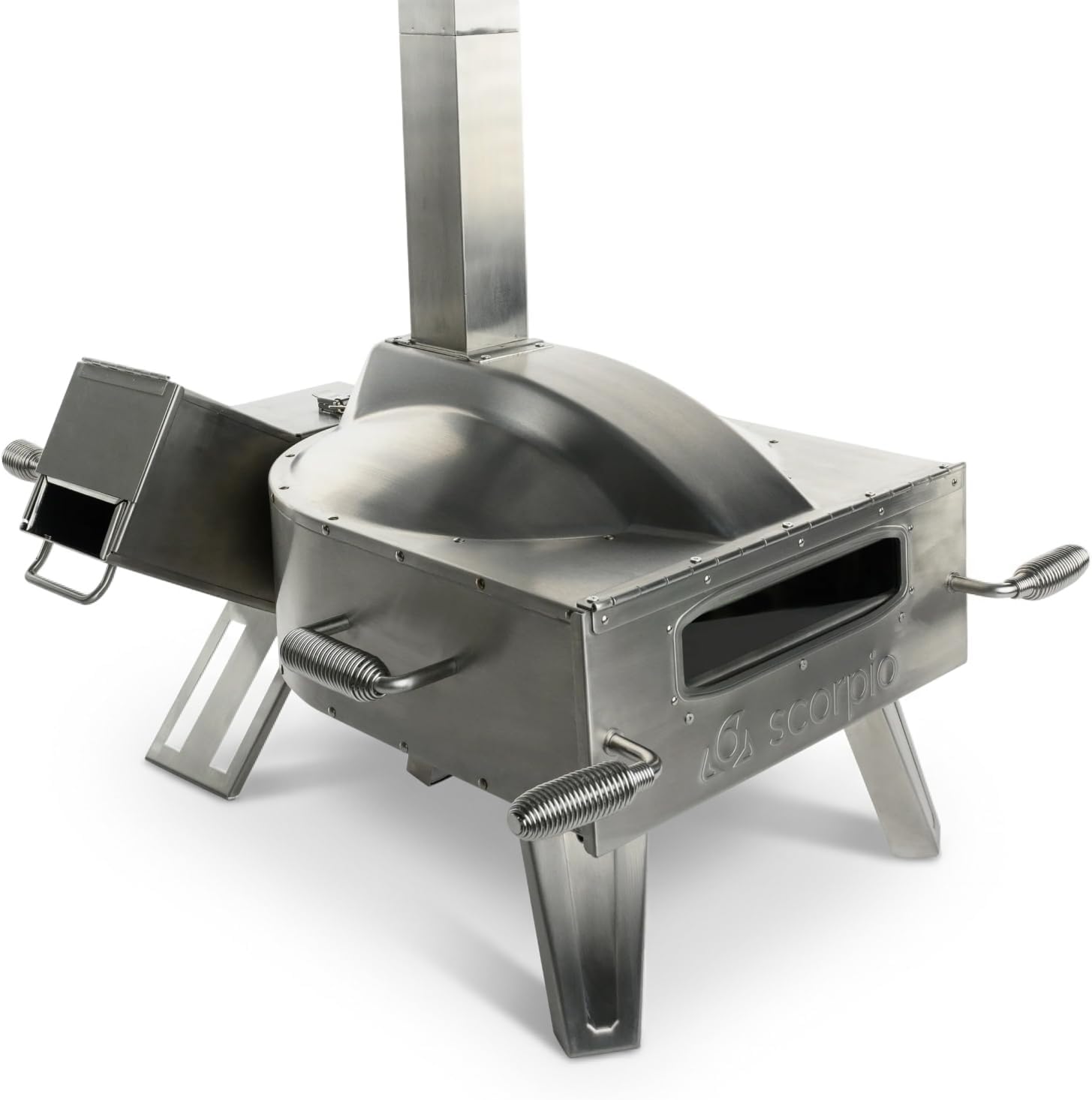
SCORPIO Pizza Oven (dual fuel, 16 inch rotating stone)
Wood or propane in one body, a rotating 16 inch stone, 304 stainless steel, and a stated 850 to 900F range with a 90-second cook
The largest and heaviest oven here, and dual fuel means two fuel systems to keep clean and fed
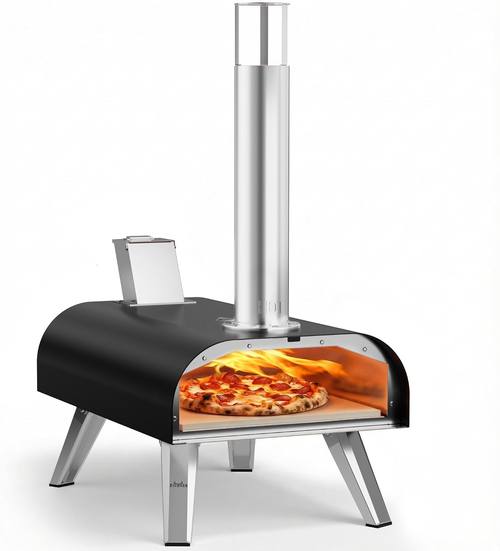
BIG HORN 12 inch Multi-Fuel Outdoor Pizza Oven
Three fuel paths in one box and a stated ceiling of 1110F, in a portable frame built for backyard, camping, and tailgating
Burners are sold separately, and a 12 inch floor limits you to smaller pies
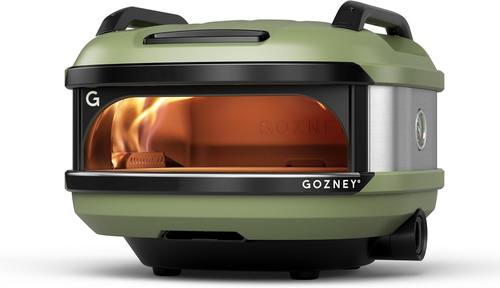
Gozney Tread Pizza Oven
Gozney build quality in a compact 12 inch oven with a stated 950F ceiling and fast bakes
12 inch only, and the supplied listing does not spell out the fuel type
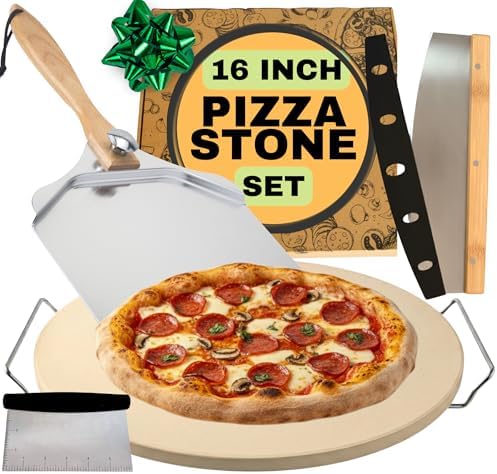
Round Pizza Stone for Oven, 16 inch, with peel and cutter
Turns the oven you already own into a baking surface, and ships with a metal peel, a cutter, and a dough tool
A stone cannot reach the stone temp a dedicated oven reaches, so the bake style is different
Prices and availability were captured from Amazon Creators API and may change.
How I judge an outdoor pizza oven
Every oven I form an opinion about gets at least eight pies before I say anything about it. That is not a formality. The first pie in any new oven is bad, always, because you do not know where the hot spot is or how fast the floor drops. The second pie tells you what you actually bought. Pies three through eight tell you whether you will still be using it in October.
I cook the same two doughs every time so the results compare. One is a straight dough at 62 percent hydration, mixed and baked the same day. The other is a 48-hour cold ferment, which is the dough I would actually recommend to anyone who wants a rim with real rise and a little leoparding on the cornicione. If an oven can only make the first one look good, it is not telling me much.
Then there are the tools, and they are not optional. I check stone temp with an infrared thermometer before every launch, not the dial and not the flame. I keep a crust scorecard for char, leoparding, rim rise, and bottom crisp, and I photograph every pie so I can compare sessions months apart. The oven gets credit for none of the flavor and all of the structure.
Beyond the bake, four practical things decide whether an oven stays in my yard: footprint, recovery time between pies, what comes in the box, and how the warranty actually behaves when something breaks. That last one has burned me before, and it has burned plenty of readers who bought a lifetime promise from a company that no longer exists.
Dual fuel ovens: wood for Saturday, gas for Tuesday
The SCORPIO Pizza Oven is the one here that reads like it was designed by someone who has actually launched a pie. The rotating 16 inch stone is the headline feature and it is the right one, because it removes the single most annoying step in backyard pizza: reaching in with a turning peel every 25 seconds to keep one side from burning. A stone that turns under the pie evens out the bake without you hovering. The stated 850 to 900F range and 90-second cook put it in the zone where you get leoparding and a fast rim rise instead of a slow dry-out. The 304 stainless steel body matters more than it sounds, because that is the grade that survives weather, and a ceramic viewing window means you can watch the rim climb without opening the door and dumping heat. The trade-off is size and weight. This is not an oven you toss in the trunk, and running two fuel systems means two things to maintain.
The BIG HORN 12 inch Multi-Fuel Outdoor Pizza Oven takes the opposite approach: maximum fuel choice in a portable frame. Wood, gas, and electric compatibility in one body is genuinely unusual, and the stated 1110F ceiling is the highest number in this comparison. Here is the catch, and it is written right in the name: the burners are sold separately. That means the oven's real performance depends on which burner you buy, and the headline temperature is a claim about the chamber rather than a promise about your stone. I have said this before and I will keep saying it, because it is the most common way people get disappointed. A box that says 1110F and a stone that reads 650F are both telling the truth about different things. Buy the burner, buy a thermometer, and measure the floor.
The choice between these two comes down to what you are optimizing for. If you want a permanent backyard oven with the largest stone and the least babysitting, the SCORPIO is the more complete machine. If you want something you can carry to a campsite and run on whatever fuel is available, the BIG HORN's three-way compatibility and lighter frame are the point. A 12 inch floor is a real constraint though. Once you have made 16 inch pies, going back is harder than you expect.
The Gozney Tread: small, fast, and built by people who know better
Gozney has a reputation in my kitchen for a reason: the brand builds ovens like restaurant equipment, and the price tag usually says so. The Tread is the compact end of that line, a 12 inch oven with a stated 950F ceiling and a fast bake. If you have cooked on a larger Gozney, the family resemblance is the appeal. The heat is even, the body feels like it was engineered rather than assembled, and 950F is a genuine Neapolitan-adjacent number.
Two honest caveats. First, it is a 12 inch oven, so you are making smaller pies or baking in batches, and batch baking means the floor has to recover between launches. Second, the supplied listing does not state a fuel type in the name. If fuel choice is the deciding factor for you, confirm that before you order, because a wood oven and a gas oven are different hobbies. My own rule has not changed: gas for Tuesday, wood for Saturday. Anyone who tells you one is objectively better has not cooked a full dinner service on both.
The stone route: 16 inch cordierite and a peel that comes with it
Not everyone needs an oven, and this is the part of the comparison where I stop being a snob. The Round Pizza Stone for Oven is a 16 inch cordierite baking stone with handles, and it arrives with a metal peel, a pizza cutter, and a dough tool. Cordierite is the right material for this job because it handles thermal shock, which is what happens when a cold dough hits a hot surface and what eventually cracks a cheap stone. Sixteen inches is the size that fits a standard home oven rack and still takes a full-size pie.
The honest trade-off is temperature. A stone in a home oven tops out wherever your oven tops out, which for most ranges is somewhere around 500 to 550F. That is not a Neapolitan bake, and it never will be. It is a longer bake, closer to a New York slice, and it rewards a slightly lower hydration dough and a little patience. What you get for that compromise is a setup that works indoors, in January, at 7pm on a weeknight, with no fuel and no weather. It also happens to be the best bread setup in this entire article, which is not something I say about many pizza accessories.
The included peel is worth mentioning because most bundled peels are junk. A peel without a lip is a peel that dumps your pie onto the floor of the oven, and it is one of my standing complaints about this category. If the one in the box has a lip, that alone covers a chunk of the value.
What the specs tell you and what they hide
Temperature claims are where this category gets dishonest, and it is worth learning to read them. The BIG HORN states up to 1110F, the Gozney Tread states up to 950F, and the SCORPIO states a working range of 850 to 900F. Only one of those is phrased as a cooking range rather than a ceiling, and that phrasing is a small tell about how the manufacturer expects you to use it. None of these numbers tells you your stone temp. Only an infrared thermometer does that.
Stone diameter is the second spec that matters and the one buyers most often regret. Sixteen inches means a full pie and a floor that holds heat through a dinner. Twelve inches means smaller pies and more launches, which means more recovery time between them. Neither is wrong, but the difference shows up on night one, not month six.
Fuel is the third. Dual fuel and multi-fuel give you options, and options cost money, weight, and maintenance. A single well-chosen fuel is a legitimate answer for a lot of people, especially if the oven lives on a balcony or gets packed into a car.
Should you buy an infrared thermometer before you buy an oven?
Yes, and before you buy anything else. An infrared thermometer is the difference between guessing and knowing, and it is the single tool that would have saved me the most money over the years. Point it at the middle of the stone, wait for the reading to settle, and launch. If the number is not where you want it, wait. That is the entire technique.
My other non-negotiable is a peel with a lip. After that, most of what is sold alongside pizza ovens is a solution to a problem you do not have yet. A turning peel is genuinely useful once you are making more than four pies a night. A laser thermometer and a decent peel cover almost everything else.
Who should buy what
If you want a permanent backyard oven with the biggest cooking surface and the least intervention, take the SCORPIO Pizza Oven. The rotating 16 inch stone and the dual fuel setup are what you are paying for, and both of them show up in the quality of the bake rather than the spec sheet.
If you want portability and the freedom to run wood, gas, or electric, the BIG HORN is the flexible one, provided you budget for a burner and remember that a stated ceiling is not a stone temp.
If you want a compact, fast, well-built 12 inch oven and you have cooked on Gozney equipment before, the Tread is the natural pick. Confirm the fuel type first.
And if you are not ready to spend oven money, or you want better bread from the range you already own, the 16 inch cordierite stone with the peel and cutter is the honest entry point. It will not make a 90-second pie. It will make dinner.
What I am testing next
I am currently running indoor electric ovens against the gas models, because the weeknight question has changed. Nobody wants to light a fire at 7pm on a Tuesday, and the electric class keeps getting hotter for less money. My standing prediction is that the sub-premium electric category will get hot enough for a real Neapolitan bake within two years, and that the premium gas brands will feel it in their sales before they feel it in their engineering.
The other thing on the bench is dough, as always. A 48-hour cold ferment beats any upgrade under a few hundred dollars, and that is not a knock on any of these ovens. It is just the truth about where the flavor comes from. The oven is a heat machine. Everything else is there to not get in its way.