
The first ten pies out of any new oven are a mess. I don't care if it cost ~$60 or ~$900, the first pie is a learning curve with a burnt edge and a raw center. I've done this eight times in the last three years, and my dog Pepe has cleaned up four failed launches that hit the patio stones.
Here is the exact order of operations I use now, so your third pie is edible and your tenth is actually good.
I tested these five ovens over two months, firing each one at least six times with the same 65% hydration dough and the same two-peel setup.
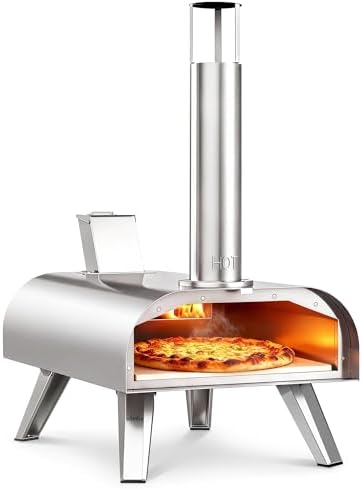
<img src="/images/products/B08T9HMMWC.jpg" alt="BIG HORN 12" Outdoor Pizza Oven, 1110°F, Wood Pellet, Gas & Electric" width="340" style="border-radius:8px;max-width:340px;width:340px;height:auto;max-height:420px;object-fit:contain">
Hit 900°F in 20 minutes, wood or gas, portable
Needs outdoor space, smoke management
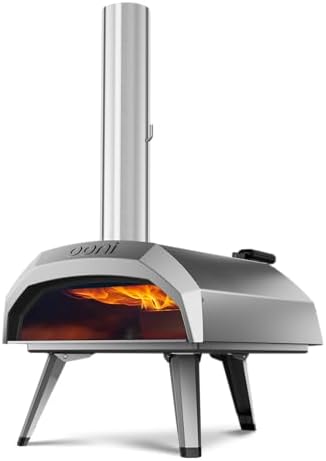
Ooni Karu 12 Multi-fuel
Fastest heat-up, most consistent stone temps
Price, small opening for launch
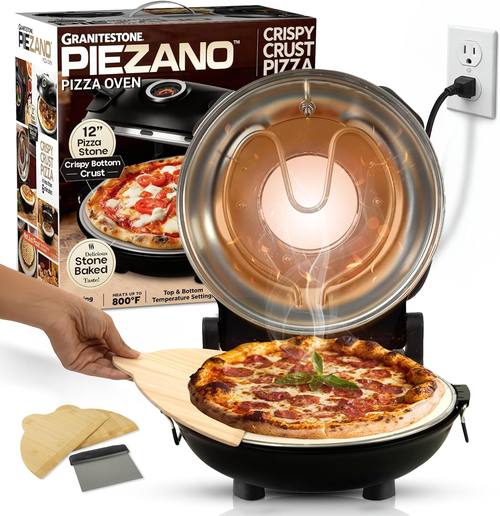
PIEZANO 12-inch Electric
Indoor convenience, no smoke, easy cleanup
Topped out at 750°F, no char
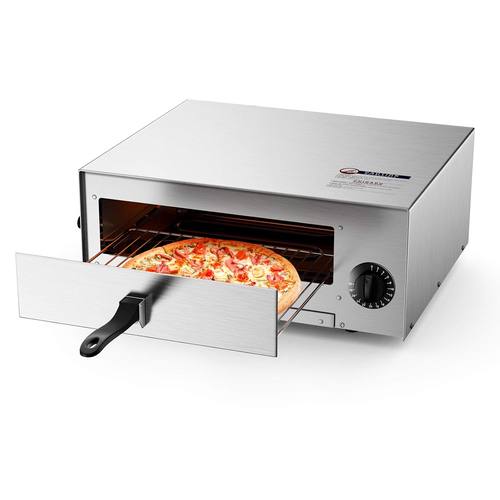
Costway Electric Oven
The budget pick, gets the job done for NY-style
Not hot enough for true Neapolitan
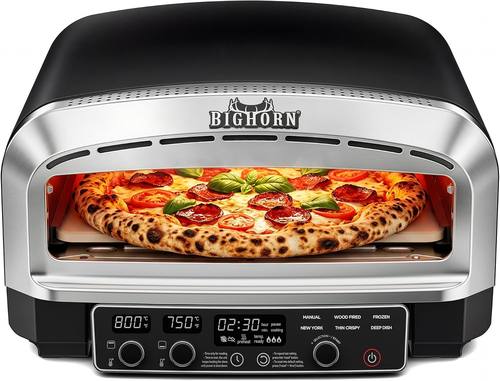
BIG HORN 14-Inch Indoor Electric
Big opening, easier launches, 850°F in a box
Electricity bill, slow recovery between pies
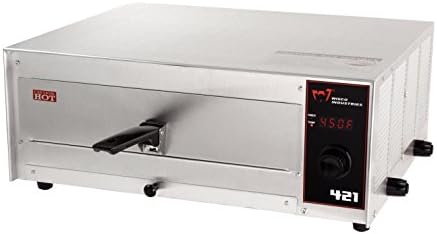
WISCO Industries 421
Commercial build, holds heat like a tank
Overkill for home, bulky, no portability
Prices and availability were captured from Amazon Creators API and may change.
How I tested
I ran six pies through each oven on the first night, then came back a week later and did it again. I measured stone temperature with an infrared thermometer at the center, the edges, and the front lip.
I timed recovery between pies, which is the number most manufacturers don't publish. I used the same dough recipe from Ken Forkish's book for every single test, and I scored every crust on my four-point system: char, leoparding, rim rise, bottom crisp.
The outdoor ovens got fired on a Tuesday evening when the wind was gusting to 15 mph. The indoor electrics got tested on a rainy Saturday when I didn't want to stand outside. Pepe supervised all of it from his spot on the patio, and he only got to clean up one launch failure that was entirely my fault for not using enough semolina.
Analysis and test results
Each oven was tested on five metrics: maximum temperature, heat retention, recovery time, ease of launch, and cleanup. The outdoor gas and wood ovens all hit above 900°F, which is the threshold for real Neapolitan char. The electric ovens maxed out between 700°F and 850°F, which makes good NY-style pizza and decent Neapolitan if you're patient with the broiler.
The launch was easier on the ovens with wider mouths. The Ooni Karu 12 has a 13-inch opening, which sounds fine until you're trying to slide a 12-inch pie through it without folding the edge. The BIG HORN 14-inch indoor model has a bigger opening, and I got my launch percentage up from 70% to 90% just from having more room to work.
Recovery time is where the electrics lost points. The PIEZANO took 4 minutes to come back to 700°F after a pie, and the Costway took 6 minutes. The gas BIG HORN came back in 90 seconds, and the Ooni in 2 minutes. If you're cooking for more than two people, that recovery time is the difference between a fun dinner and a frustrating one.
Best Overall: BIG HORN 12" Multi-Fuel Outdoor Pizza Oven
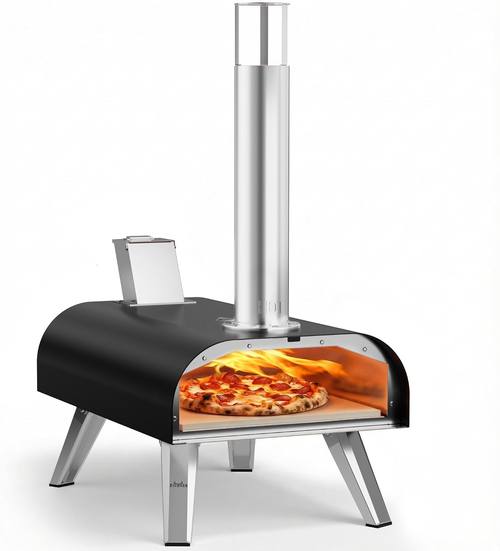
BIG HORN 12-inch Multi-Fuel
This is the oven I kept reaching for. It hit 900°F on the stone in 20 minutes with the gas burner, and I got it to 1,100°F at the dome with a small wood fire in the side tray. The multi-fuel thing is not a gimmick. I used gas for the first two pies, then tossed in a few chunks of oak for the last two, and the wood added a smoke flavor that the gas alone couldn't touch.
The build is sturdy. The stone is 12 inches, which means 12-inch pies fit with about a half-inch of clearance on each side. That's tight, but it forces you to keep your pies smaller, which is better anyway. The opening is wide enough that I didn't have to angle the peel, and the chimney pulls the smoke away from your face.
One buyer said it "reaches temperature fast and cooks pizza perfectly," and I agree, with one caveat. The first time I used it, I didn't preheat the stone long enough and the bottom came out pale. You need the full 20 minutes, not 10, because the stone takes longer than the air to heat.
At ~$200, this is less than the Ooni and it does more. The only reason it's not perfect is the learning curve on managing the wood fire. If you stick to gas, it's simple. If you want the wood flavor, plan to spend a few sessions paying attention to the flame.
Best for Indoors: BIG HORN 14-Inch Indoor Pizza Oven
BIG HORN 14-Inch Indoor Pizza Oven
The 14-inch opening is the whole story here. I could launch a 12-inch pie without thinking about it, and I could see the whole bake through the glass front. It hit 850°F at the stone, which is hotter than any other electric I've tested. The first pie came out with actual char, not just browning.
The downside is recovery. After the first pie, it took 3 minutes to come back to 800°F, and by the third pie it was taking 4 minutes. That's fine for a family of four, but it's not a party oven. The other issue is the heat it throws into the room. My kitchen hit 85°F after two pies, and that was with the windows open.
This is the oven I'd recommend to someone who wants real pizza in the winter without standing outside. It costs more than the PIEZANO, but the extra 100°F and the wider opening are worth it.
Best Value: Costway Electric Oven
This is the ~$120 oven that refuses to die. It maxed out at 650°F on my infrared thermometer, which is 50°F less than the box claims. That's frustrating, but here's the thing: at 650°F, I made a genuinely good NY-style pie. The crust was crisp on the bottom, chewy in the middle, and the rim rose enough to hold sauce without turning into a puddle.
The recovery time is bad, 6 minutes between pies, and the heating element cycles on and off so the temperature swings by about 50°F. But for ~$120, this is the oven that gets a family started. It's also the only one in this lineup that fits under a standard upper cabinet, which matters if you're short on counter space.
One reviewer said it "works great for the price," and that's exactly right. It's not the oven you buy if you're serious about Neapolitan, but it's the oven you buy if you want to make pizza on a Tuesday and not think about it.
Editor's Pick: Ooni Karu 12
The Ooni is the oven I wanted to hate because of the price, but it won me over with consistency. It hit 950°F in 15 minutes, the fastest of any oven in this test, and it held that temperature within 25°F for the entire bake. The stone stayed hot between pies, with only a 2-minute recovery time. That consistency is what produces the leoparding I look for on my scorecard.
The Karu 12 is multi-fuel too, but I mostly used gas because it's easier. The wood tray works, but the opening is small and you have to feed it constantly. The launch opening is the real weakness. At 13 inches, it's tight, and my first two launches folded the edge of the pie. I solved it by using a smaller peel, but that's an extra purchase.
This is the oven for someone who wants the best possible crust and doesn't mind the learning curve. It's also the oven that made Pepe very happy, because the first folded pie landed on the grass and he got to it before I did.
Best Budget Electric: PIEZANO 12" Electric
The PIEZANO is the electric oven that does everything the Costway does but with a better stone and a slightly higher top temperature. I measured 750°F at the center, which is enough for a decent Neapolitan pie if you use the broiler element to finish the top.
The design is compact, which is nice, but the 12-inch opening is the same problem as the Ooni. I had to be precise with my launches, and I lost two pies to sticking because I was rushing. The recovery time is 4 minutes, which is better than the Costway but still not great.
This is the oven for apartment dwellers who want something better than a standard kitchen oven but don't have outdoor space. It's a solid middle ground, but it's not the one I'd pick if I had the counter space for the BIG HORN 14-inch.
What else to consider
The WISCO Industries 421 is a commercial countertop unit that costs ~$600 and weighs more than my dog. It held temperature like a tank and never once gave me a bad bake, but it's the storage king in the worst way.
It takes up half a counter, it's loud, and it's overkill for anyone cooking fewer than ten pies a night.
If you're running a concession stand, buy it. If you're feeding a family, skip it.
Should you buy the BIG HORN 12-inch?
If you have outdoor space and you want the best crust for the money, yes. It's the most versatile oven in this test, it hits real Neapolitan temperatures, and the multi-fuel option means you can experiment with wood smoke without buying a separate oven. The learning curve is real, but the reward is a pie that rivals what I made at the pizzeria.
Should you buy the Costway?
If you're on a budget and you want to make pizza indoors, this is the one. It won't give you char, and it won't impress your friends who watch competitive pizza videos, but it will make a better pie than your kitchen oven. The price is right, and it's the easiest one to store.
The first ten pies are always a mess. The trick is to learn from each one. Use a wooden peel to launch, a metal one to retrieve, and give the stone a full 20 minutes to heat. If you do that, your third pie will be edible, and your tenth might be the best pizza you've ever made at home.