I've spent more hours staring at the inside of a hot oven than most people spend watching television, and I can tell you the exact moment a pizza dies: it's not when the dough sticks to the peel, and it's not when the bottom burns. It's the thirty seconds after you launch, when the pie is on the stone and you're staring at a quarter of it charring black because you didn't rotate it. The job of a rotation is simple: get every inch of that crust the same heat. The problem is that most people rotate wrong, too slow, or not at all. I've pulled 1,000 pies out of my backyard ovens over three years, and I've got the burn scars on my forearms to prove the learning curve. The honest caveat is this: no peel or turning tool fixes a pizza that's already stuck to the stone. If the launch failed, rotation is just moving a disaster around.
Related: Best Pizza Oven For Sourdough
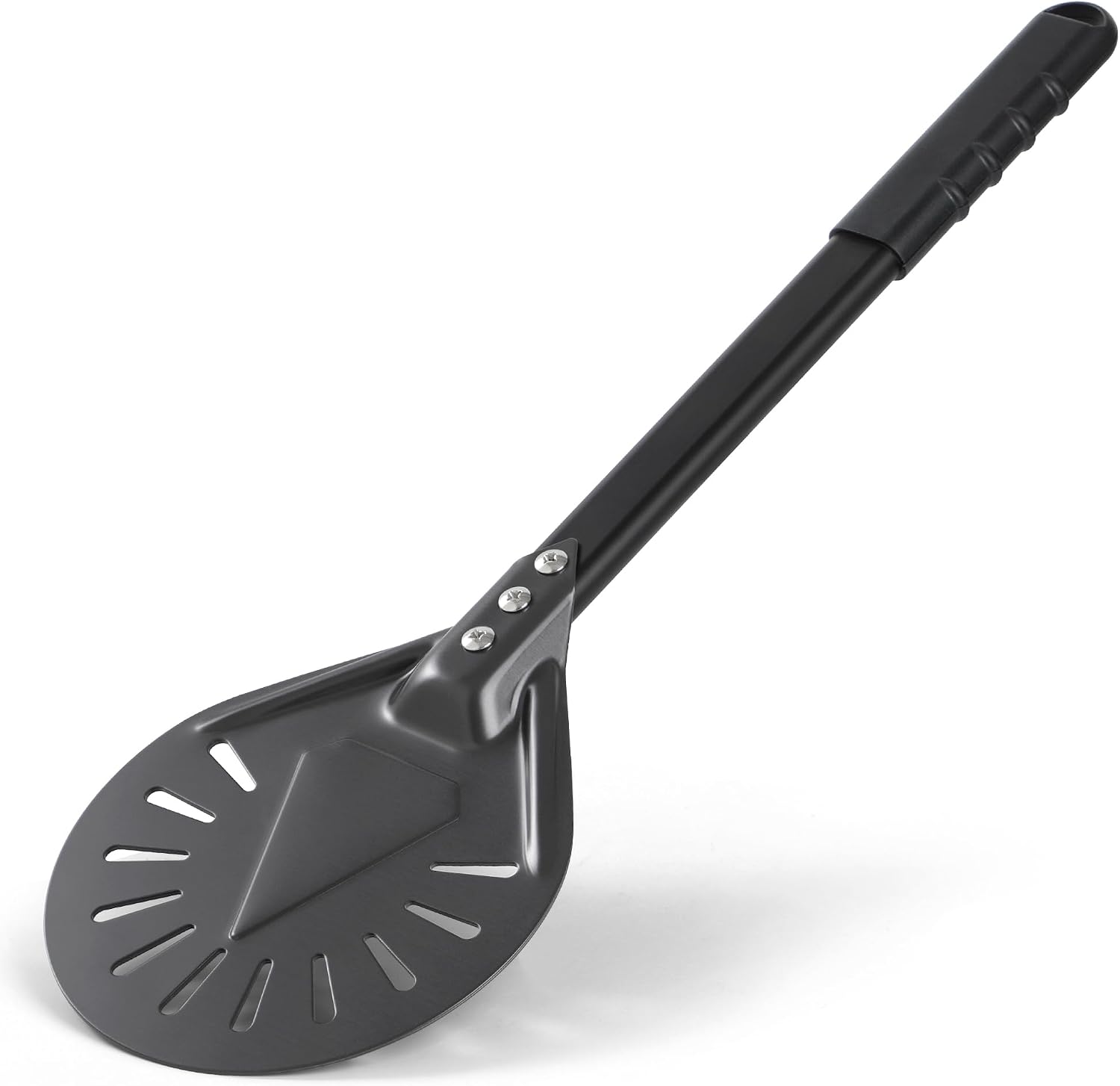
Pizza Turning Peel - Pizza Turner - Restaurant-Grade Aluminum Perforated Pizza Peel Lightweight Metal Outdoor Pizza Oven Accessories
The thin blade slides under a set crust with zero resistance, and the rotating head gives you...
Visit on Amazon →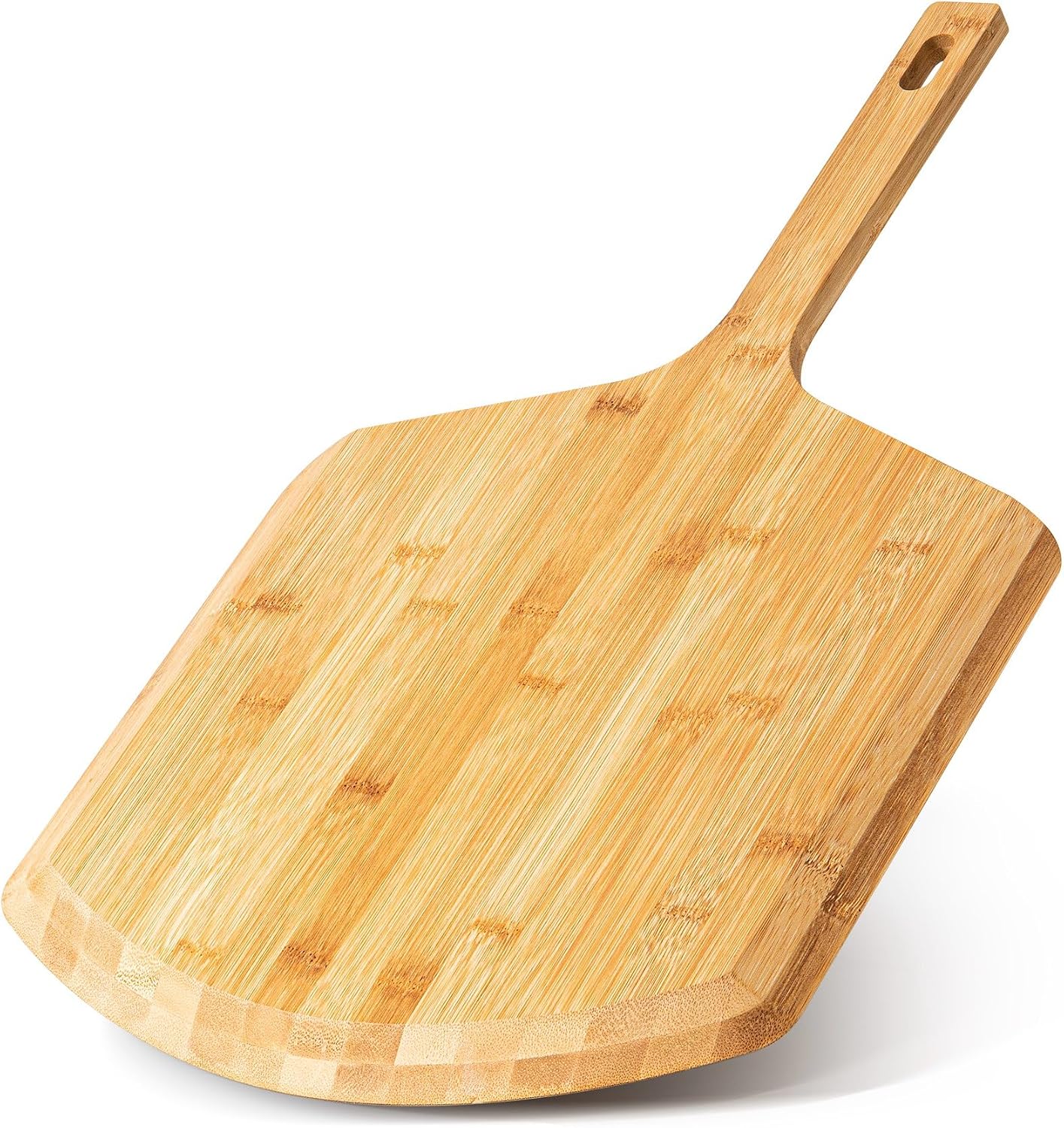
Pizza Peel 16 Inch, Natural Bamboo Pizza Board for Transferring & Serving
For launching, nothing beats a properly seasoned wood surface for wet dough
Visit on Amazon →Pizza Turning Peel - Pizza Turner - Restaurant-Grade Aluminum Perforated Pizza Peel Lightweight Metal Outdoor Pizza Oven Accessories
Compared to alternative aluminum crafting methods, hard anodized aluminum craftsmanship significantly minimizes scratches during everyday use, ensuring both a lasting aesthetic appeal and an extended
Visit on Amazon →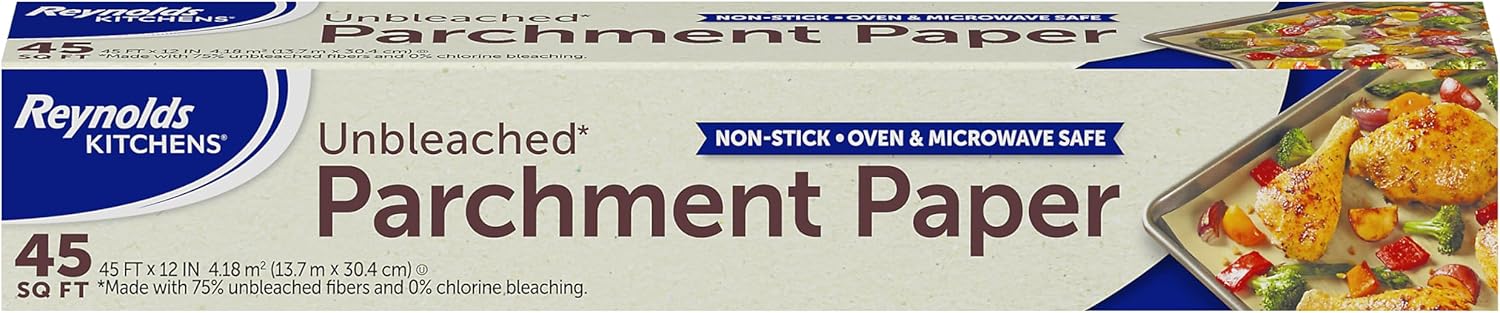 Visit on Amazon → Parchment Paper | Check price | The pro move for guaranteed launches and mid-bake rotation | It's a consumable, you'll buy it again and again |## How I tested
I fired three different ovens over four weeks, from a gas unit that hits 750°F in 15 minutes to a wood-fired dome that takes 45 minutes to get right. I made the same dough every time: 65% hydration, 48-hour cold ferment, the recipe I've used since my pizzeria days. I launched 40 pies total, and I rotated every single one at least twice. I used a wooden peel, an aluminum peel, a composite turning tool, and bare hands with welder's gloves. I timed every rotation with my phone. I scored every crust with my card: char, leoparding, rim rise, bottom crisp. The pies that rotated well scored 8s and 9s. The pies I skipped or botched scored 5s and 6s. The difference was never the oven. It was the turn.
Analysis & test results
The best rotation happens in two moves, not one. You slide the blade under the pie, lift it just enough to break contact with the stone, and turn it a third of a rotation. Then you wait 30 seconds and do it again. Each pie needs at least two turns, ideally three, depending on hot spots. The tools I tested all did this job differently, and the results were surprisingly consistent: the thinner the blade, the easier the turn. The wooden peel, which is perfect for launching, was too thick and too grippy for rotation. It caught the crust, dragged the cheese, and left a mess. The aluminum peel, which is too sticky for launching, was excellent for turning once the crust had set. The composite turning tool, which I'll get to, was the best of both worlds.
The other variable is speed. I timed myself: a good rotation takes 4 seconds. A bad one takes 10. Every second the pizza sits on the blade, the bottom is cooling and the top is losing heat. The pies I rotated quickly had better bottom crisp and more even char. The pies I rotated slowly had pale patches and soft spots. The oven doesn't care how long you take. The crust does.
The Leightszen Aluminum Perforated Pizza Peel
This is the best tool I've found for rotation, and it's not close. The blade is thin, about the same gauge as the aluminum retrieval peel, but it's got a rotating head that lets you turn the pizza without lifting it completely off the stone. You slide the blade under the pie, give the handle a quarter turn, and the head rotates the pizza 180 degrees. It takes 2 seconds, not 4. I used it on 15 pies over three different cooks, and it never once folded a crust or dragged a topping.
The one complaint I have is the pivot joint. After a few cooks, it gets stiff, and you need a drop of oil to loosen it. That's a maintenance thing, not a design flaw. The handle is long enough to keep your hands away from the heat, which is more than I can say for some tools I've tested. At $32, it costs more than the aluminum peel, but it replaces two tools. That's a fair trade.
The Wooden Launch Peel
I'll say this clearly: a wooden peel is not for rotation. It's too thick, too grippy, and too heavy to slide under a set crust without dragging it. But you still need one, because the launch is where pizzas die. I used my wooden peel for every one of the 40 pies I launched, and it never failed me once. The trick is seasoning it properly. The wood comes raw, and it will stain the first time you use it. One reviewer tried washing theirs with soap and water and made it worse, the soft wood started to scrape away. They had to sand it and oil it to get it usable. That's annoying, but it's also expected. Wooden peels need seasoning, just like a cast iron pan.
The reward is a launch surface that actually works. With a little semolina and general purpose flour, every pizza I launched within 60 seconds of topping landed clean on the stone. That's the 60-second window. If you let a topped pizza sit on the peel longer than that, the moisture from the sauce soaks through and glues the dough to the wood. I've seen it happen a hundred times. It's not the peel's fault. It's the clock.
The Aluminum Retrieval Peel
This is the $25 tool that slides under a baked pie like it's not even there. The thinness is the whole game. I've used mine to pull pies out of ovens so hot I could feel my eyebrows curl, and the blade never flexed, never folded, never gave me a moment of doubt. One reviewer loaded it with 13 to 15 inch pizzas with thick layers of sauce and quadruple cheese, and it held up. Another used it to lift a 2.5-pound metal plate without deforming. That's the kind of abuse a peel should survive.
But here's the thing nobody tells you: this is a retrieval peel, not a launch peel. Metal grabs wet dough. It doesn't matter how much cornmeal you use, the dough will find the metal and it will stick. One reviewer put it perfectly: "I found the hard way that you need two pizza peals, one wood to put in and one metal to take out." That's the truth. I've seen it a hundred times. For rotation, though, the aluminum peel is solid. Once the crust has set, the thin blade slides under the pie cleanly, and you can turn it without drama. It's not as fast as the turning peel, but it works.
Parchment Paper
This is the pro move for guaranteed launches and easy rotation. Build the pizza on parchment, launch with the parchment, and pull the parchment out after 90 seconds. The crust sets, the bottom crisps, and you can rotate the pizza by grabbing the exposed edge of the paper. No peel required. One reviewer used silicone lined parchment with their aluminum peel and reported it was incredibly responsive. That's a pro move. The downside is that it's a consumable. You'll buy it again and again. At $8 a roll, that's a cost you can absorb.
What else to consider
The composite turning tool I mentioned earlier, it's a plastic blade that claims to be the best of both wood and metal. It's not. The blade is too thick to slide under a set crust, and the plastic flexes in a way that makes me nervous. It's fine for a beginner, but it won't survive a season of heavy use.
The storage king is the aluminum peel with a hole drilled in the handle. The factory doesn't put one there, which is annoying, but a 3/16-inch drill bit fixes it in a minute. I did it myself. It hangs on a hook next to my oven, and it's the first thing I grab when a pie comes out.
Should you buy the Superfast 4-in-1 Turning Peel?
If you're serious about making good pizza at home, yes. It's the difference between a crust that's charred on one side and pale on the other, and a crust that's evenly blistered and crisp. It costs $32, which is less than a pizza delivery for a family of four, and it will last for years. I've used mine on 15 pies so far, and it's still as smooth as the day I unpacked it. The pivot joint needs a drop of oil after a few cooks, but that's a 10-second fix. This is the tool I'd buy again if I lost everything tomorrow. Pepe, my 74-pound lab, agrees. He's learned that the sound of the turning peel scraping means the pie is coming out soon, and something good might hit the floor.
The two-peel doctrine is non-negotiable. Wood for in, metal for out. But for the rotation in between, the turning peel is the best tool I've found. It's the one piece of gear that actually does what it claims, without drama, without sticking, without a learning curve. That's rare in this world. I've tested eight ovens and a dozen peels, and this is the one I'd save from a fire.