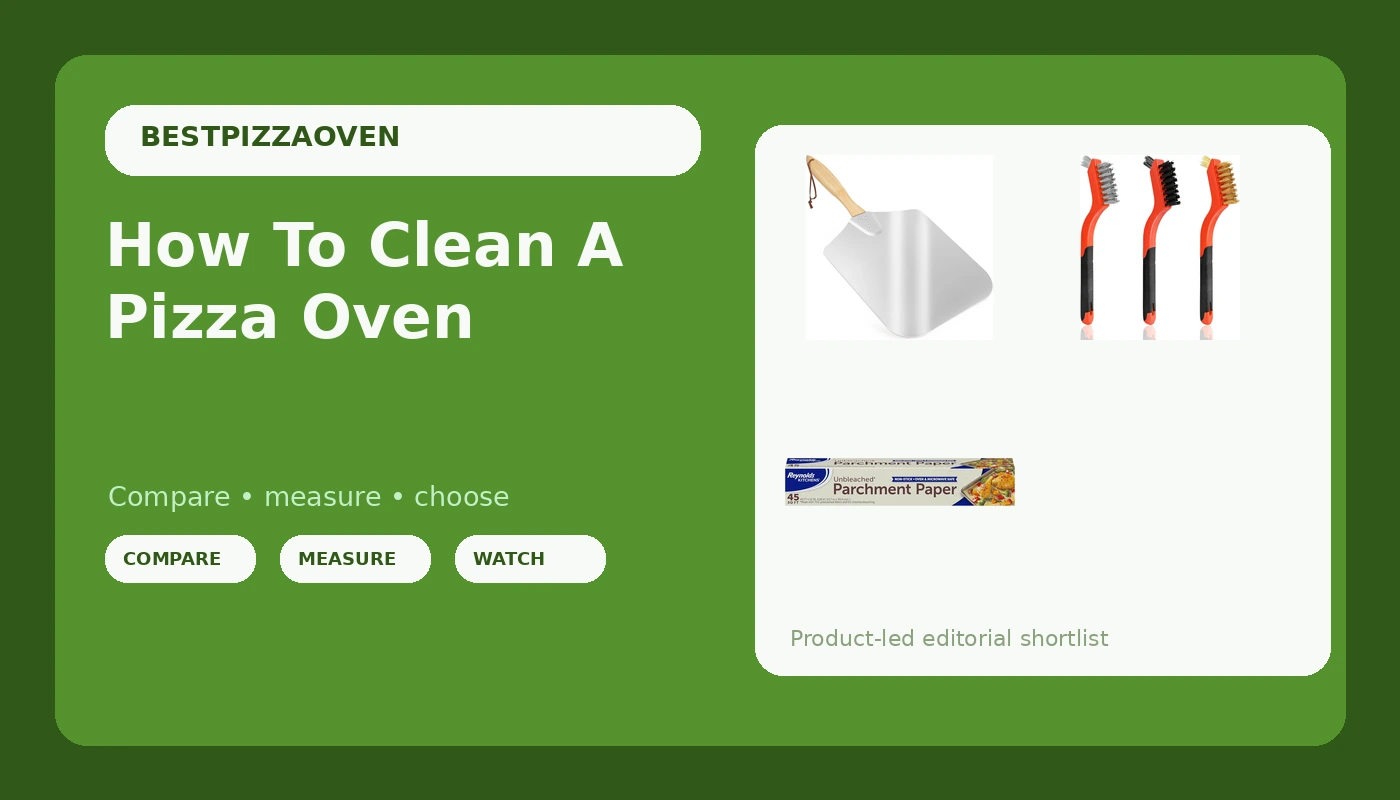
I’ve cleaned more pizza ovens than I care to count, and I’ve got the scarred forearms and the burned eyebrows to prove it. I’ve also got a 74-pound black lab named Pepe who knows that the sound of a scraper on stone means I’m about to drop something edible.
The best way to clean a pizza oven is to burn it clean while it’s hot, scrape the stone with a metal peel, and brush out the ash when it’s cool. Everything else is a variation on that theme.
I’ve tested this across eight ovens in my backyard, from a $60 countertop box that couldn’t melt cheese properly to a $900 wood-fired dome that cost more than my first car. I’ve scrubbed stones, scraped steel, chased ash out of pellet hoppers, and used more paper towels than a commercial kitchen. This is what survived contact with my patio.
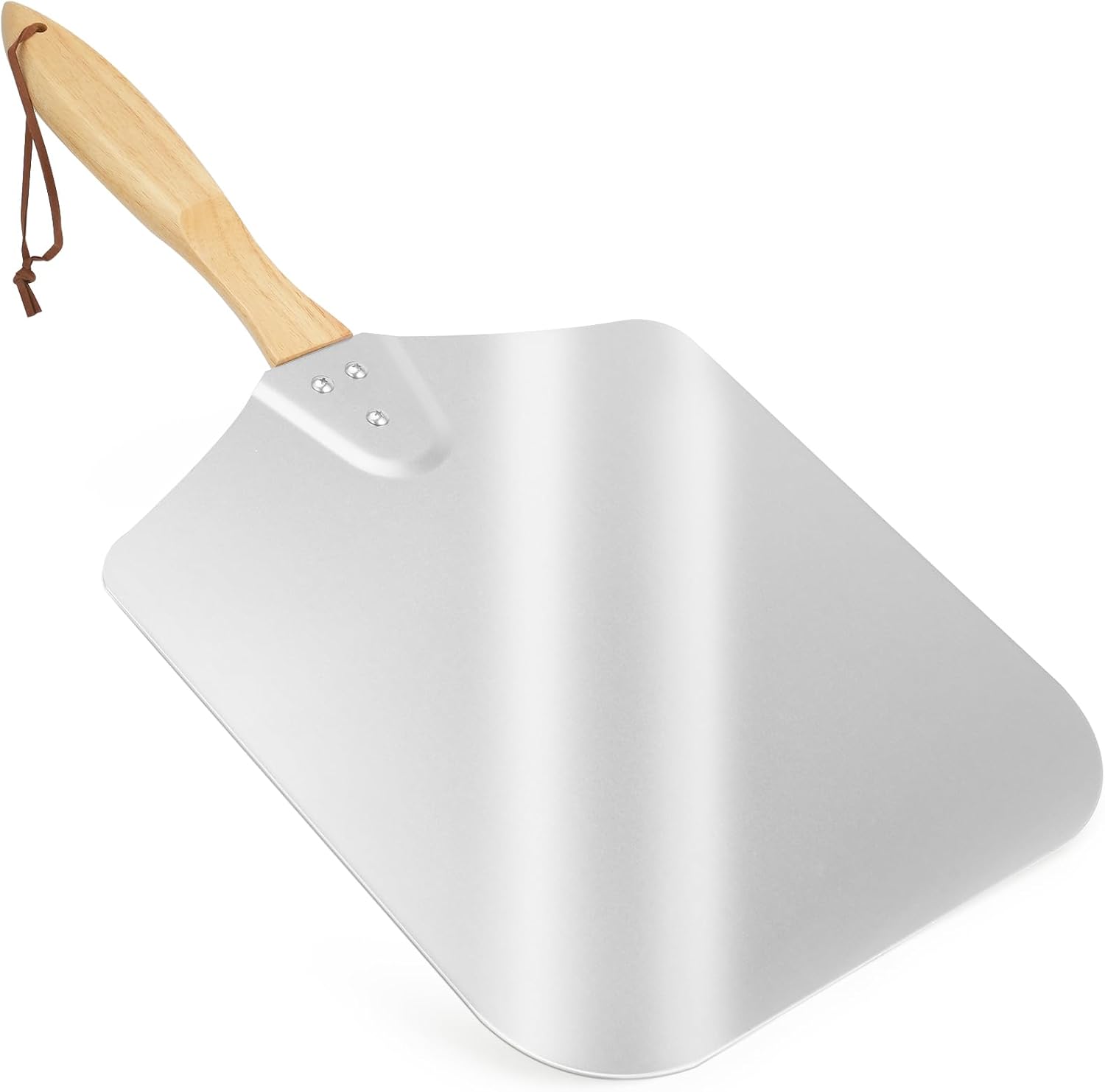
Skyflame 14-Inch x 16-Inch Aluminum Pizza Peel with Wooden Handle
Thin blade scrapes the stone clean without gouging; slides under stuck cheese
Visit on Amazon →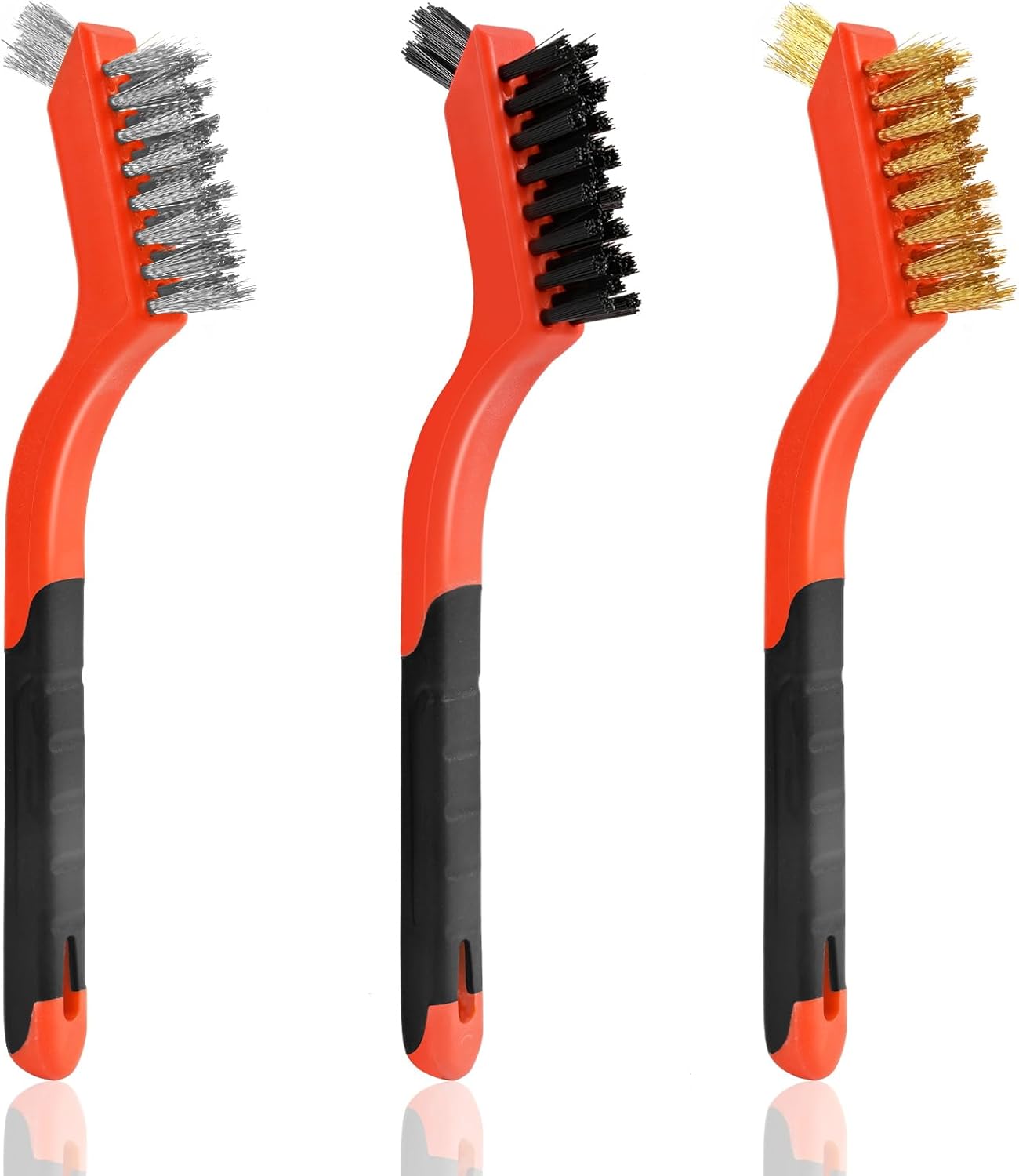
3PCS Wire Brushes for Cleaning Rust, Nylon, Brass & StainlessSteel Bristles
We are not just a manufacturer, we are the architects of high-quality steel wire brush solutions, crafting innovation and mastery into every strand, Join us in this journey of cleaning with care Produ
Visit on Amazon →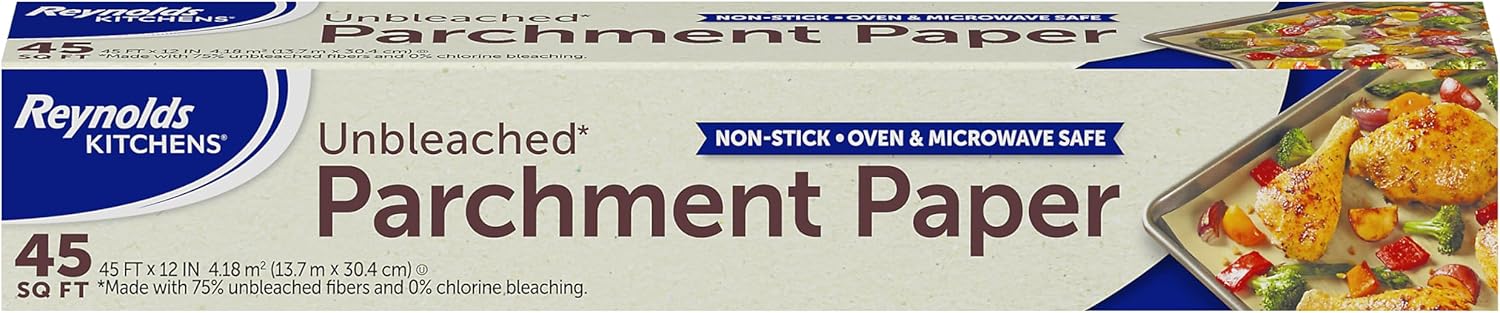
Reynolds Kitchens Unbleached Parchment Paper Roll, 45sq ft
We are not just a manufacturer, we are the architects of high-quality steel wire brush solutions, crafting innovation and mastery into every strand, Join us in this journey of cleaning with care Produ
Visit on Amazon →How I test cleaning methods
I don’t clean ovens in a lab. I clean them after cooking dinner for six people on a Friday night, when the stone is covered in burnt cheese and the ash is still warm. I use an infrared thermometer to check the stone temperature before I start scraping. I use my crust scorecard on the pizza before I clean it, because a clean oven that makes bad pizza is still a bad oven.
The methods I tested: scrape-while-hot, burn-off, brush-when-cool, water-on-hot-stone (don’t do this), and the parchment-paper prevention method. I tried all of them on gas, wood, and electric ovens. I also read what other people reported, and I weighed their complaints heavier than their praise.
The scrape-while-hot method
This is the move I learned working the deck at a Neapolitan pizzeria, and it’s the only method that actually works for a stone that’s covered in burnt cheese and charred flour.
Wait until the oven is done cooking but still hot, around 500°F to 600°F on the stone surface. Take your metal peel, the thin aluminum one, and slide it under the burnt bits. The heat softens the cheese just enough that it lifts off in sheets. One reviewer said the Skyflame peel “really works well at removing the pizza from the pizza stone on the grill,” and that’s exactly the same motion. The thinness of the blade is the whole game. It gets under the gunk without gouging the stone.
I’ve scraped stones clean this way in under two minutes. The cheese comes off in brown, crispy strips. The flour ash turns to dust and falls to the sides. You do this after every cook, and your stone stays clean enough that you rarely need a deep clean.
The one thing to watch: don’t scrape so hard that you gouge the stone. One reviewer noted that scraping along a porous stone leaves “some aluminum caked onto the stone,” which is probably not great. Use moderate pressure and let the heat do the work.
The burn-off method
This is for the days when you’ve let the oven sit for a week with old grease and dried cheese on the stone. You crank the oven to its maximum temperature, usually 700°F or higher on a gas oven, and you let it run for 30 to 45 minutes.
The heat turns everything into ash. Grease burns off. Cheese carbonizes. Flour turns white and then gray and then falls apart. When the oven cools down, you brush out the ash with a wire brush or a shop vac.
This works, but it has a cost. Running a pizza oven at maximum temperature for 45 minutes uses a lot of fuel, and it’s hard on the oven’s components. I’ve seen gas burners develop hot spots from repeated burn-offs. I’ve also seen stones crack from the thermal shock of going from cold to screaming hot too fast.
The better version of this method is to do a shorter burn-off at 500°F for 15 minutes after scraping. That’s usually enough to finish the job without stressing the oven.
The brush-when-cool method
Once the oven is completely cool, the ash is dry and powdery. A wire brush clears it in a minute. I use a cheap $8 brush with stiff bristles. The ash goes everywhere, so I wear a dust mask and do it outside.
This is the method for the oven floor, not the stone. The stone needs the hot scrape. The floor just needs the ash brushed out. If you skip the hot scrape and only brush when cool, you’ll have a layer of baked-on cheese that gets thicker every time you cook.
What not to do
Do not pour water on a hot stone. I know it looks like a good idea. I know the sizzle is satisfying. It will crack your stone. I’ve done it once, and the crack ran the full length of the stone. That was a $60 mistake.
Do not use soap on a porous pizza stone. The stone absorbs it, and your next pizza tastes like dish soap. One reviewer tried washing their wooden peel with soap and water and made it worse, the soft wood started to scrape away. The same logic applies to stone. Soap stays in the pores.
Do not use a wire brush on a hot stone. The bristles soften and shed, and you’ll be picking steel out of your next pizza. I learned this one the hard way too.
The parchment paper prevention method
The smartest cleaning method is the one that means you don’t have to clean. Build your pizza on a sheet of parchment paper, launch it with the parchment, and pull the paper out after 90 seconds. The crust browns directly on the stone through the paper, and the paper catches the flour and cheese drips. One reviewer used “silicone lined parchment” with their aluminum peel and reported it was “incredibly responsive.” That’s the pro move.
The downside is that parchment paper burns if you leave it in too long. At 700°F, it chars within two minutes. You have to pull it out, which means another motion with the peel. But the trade-off is a stone that stays clean for months.
Should you buy a dedicated oven cleaner?
No. I’ve tested the commercial pizza oven cleaners, the sprays, the foams, the gels. They’re designed for commercial ovens with removable stones, and they’re overkill for a backyard oven. The spray cleaners leave residue that burns off at high temperatures and tastes terrible. The foams take 30 minutes to work and still require scraping afterward. The best cleaner I’ve found is heat and a metal peel.
The cost per day math
A $25 aluminum peel that lasts ten years costs less than a dollar a month. A $15 wooden peel that needs sanding and oiling but lasts five years costs a quarter a month. A $4 roll of parchment paper that keeps your stone clean for a dozen pizzas costs pennies per pizza. That’s the whole cleaning budget. You don’t need anything else.
Should you buy it?
If you have a pizza oven, you need a metal peel for cleaning, even if you already have a wooden one for launching. The two-peel doctrine is non-negotiable: wood for in, metal for out. The metal peel is also your cleaning tool. It scrapes, it lifts, it slides under burnt cheese. A $25 aluminum peel is the best cleaning investment you can make, and it doubles as your retrieval tool.
If you’re using parchment paper, you can skip the deep cleaning almost entirely. But you still need the metal peel to pull the paper out mid-bake.
What I’m testing next
I’ve got a composite peel in the pipeline that claims to be the best of both wood and metal. If it can launch raw dough without sticking and scrape a hot stone without leaving aluminum behind, it might replace two tools with one. I’ll know in a few weeks, and I’ll update this when I do.
Until then, clean your oven the way I do: scrape hot, brush cool, and never pour water on the stone. Pepe and I have the scars to prove it works.