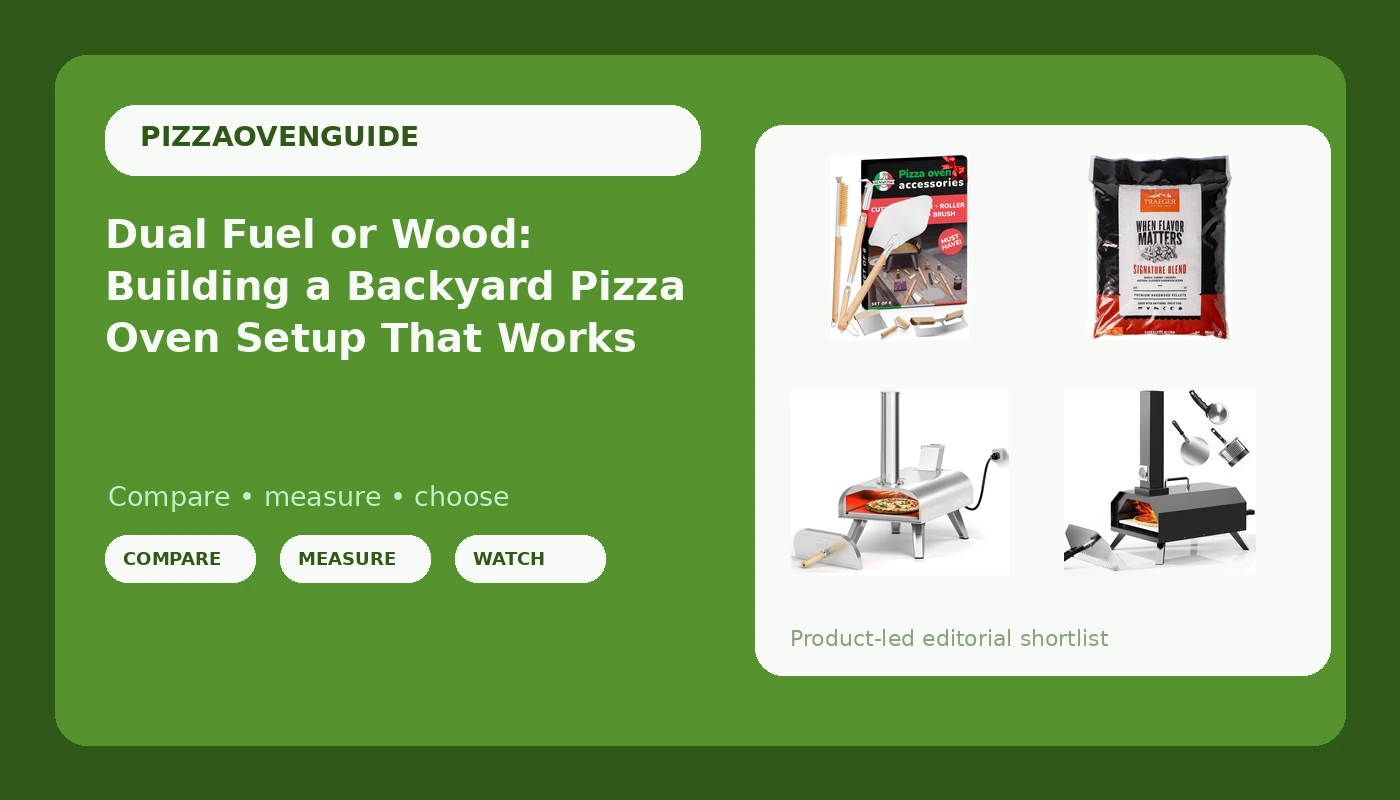
I keep a scorecard for every pie that comes out of my kitchen: char, leoparding, rim rise, bottom crisp. Three years and eight ovens in, the lesson has not changed since my years on the oven at a Neapolitan pizzeria in Jersey. An oven is a heat machine. Everything else, the dough, the sauce, the cheese, is just there to not get in its way.
That is why this comparison is not four versions of the same purchase. It is two ovens and two pieces of support gear, and the real question is which combination gets a home cook through a Tuesday night and a Saturday afternoon without buying twice. A backyard pizza oven setup lives or dies on stone temp and how fast the deck recovers between pies. The fuel and the tools decide whether you still use the thing in month four.
Related: Wood vs Gas vs Electric Pizza Ovens
The short answer: the 12-inch dual fuel oven is the pick for most homes, because it runs on a standard outlet indoors and on wood pellets outside, so the fuel question stops being permanent. If you already know you want live fire and nothing else, the fold-leg wood oven is the simpler and cheaper machine. Either way, put pellets and a tool kit in the same order.
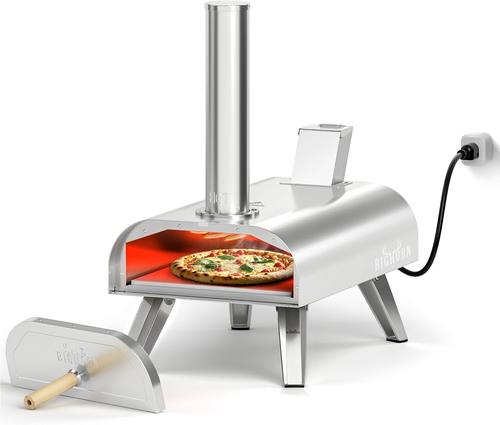
BIG HORN OUTDOORS 12" Dual Fuel Pizza Oven, Electric and Wood Pellet
Two fuels in one box, a pizza stone in the box, and a footprint that works indoors or on a patio
Dual fuel means two learning curves, and neither fuel gets the full engineering budget
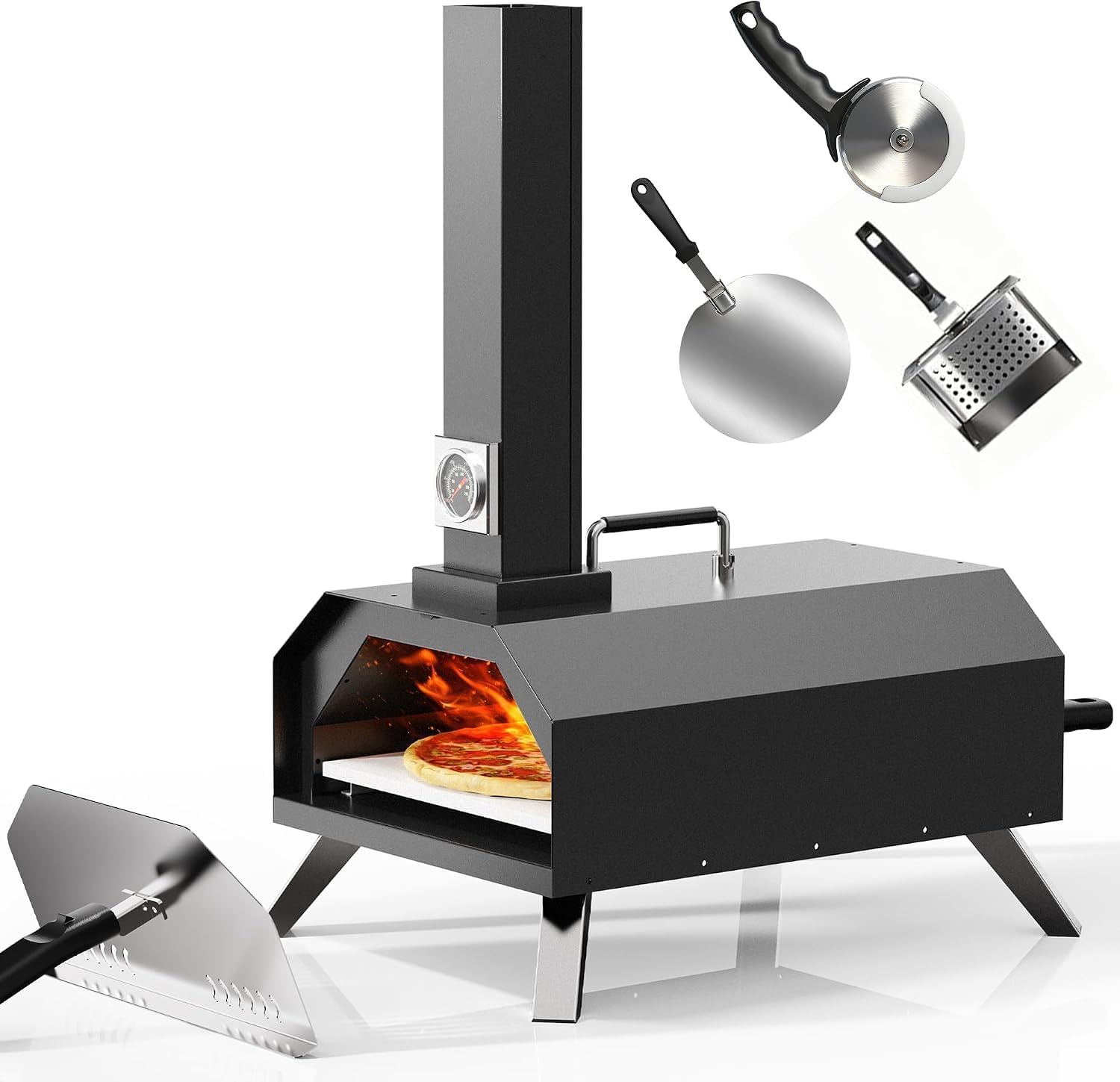
Outdoor Pizza Oven, Fold-Leg Wood Pizza Oven for 11.25 Inch Pizza
Folding legs, wood only, no cord and no outlet to negotiate with
Wood only and a small deck, so there is no plan B on a windy night
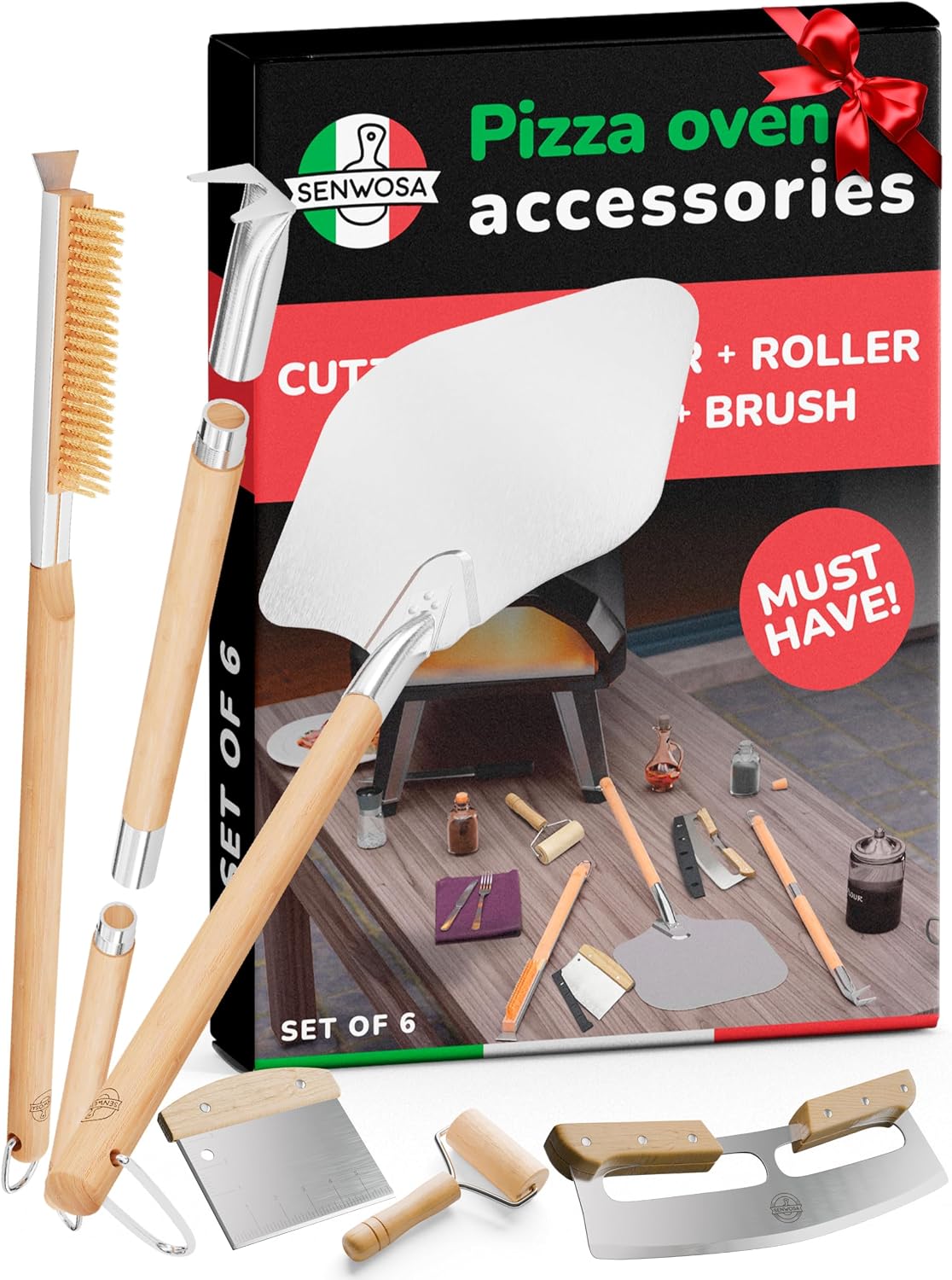
Senwosa Pizza Oven Accessories Kit, 6 Tools for Home Pizza Making
Six tools in one order instead of six separate deliveries
Kits are only worth it if every tool in the box earns its space

Traeger Grills Signature Blend 100% All-Natural Wood Pellets, 18 lb. Bag
An 18 lb bag of all-natural hardwood that feeds pellet ovens and pellet grills alike
Pellets are fuel, not flavor magic, and they need to stay dry
Prices and availability were captured from Amazon Creators API and may change.
What I look for before I recommend an oven
Four things, and not one of them is printed on the marketing panel.
The first is stone temp at the deck. Not the dial, not the box, not the flame height. I read the deck with an infrared thermometer and I do not repeat a manufacturer temperature claim without a reading behind it. You should hold every brand to that standard, including the ones I like.
The second is recovery time. A 12-inch oven that gets back to heat in a few minutes beats a bigger oven that sags after two pies. This is the spec nobody publishes and the one that decides whether a dinner party works.
The third is fuel logistics. An outlet, a bag of pellets, or a propane tank: pick the one you can live with on a Wednesday. The best oven in the world is useless if the fuel is in the garage and the fire takes 30 minutes to be worth it.
The fourth is storage. Where does this thing sit in November? A folding frame answers that question better than a spec sheet does.
And the rule I give everyone: your first pizza in a new oven will be bad. Plan for it. The second one tells you what you bought.
The 12-inch dual fuel oven: the hedge that actually works
The BIG HORN OUTDOORS dual fuel model is the most interesting item in this group because it refuses to pick a side. The name says it plainly: electric and wood pellet, indoor and outdoor, with a stone included and a box claim of 1000°F. If that number holds on a deck reading, it is in the range where you get real leoparding instead of pale spots. I treat a claim like that as a ceiling, not a working temperature, and I would want the reading before I promise anyone a 90-second bake.
What I like about the design idea is that it collapses my usual argument. I have spent years telling people that gas is for Tuesday and wood is for Saturday, and that the right answer depends on the night. This oven tries to be both nights. Plug it in on a weeknight when nobody wants to light a fire at 7 p.m., and run pellets on a weekend when the whole point is standing outside with a beer and watching the deck come up to temp.
The cost of that flexibility is real. Dual fuel means two things to learn, and a machine that does two jobs is usually a compromise at both. A pellet side needs a dry fuel supply and a place to vent. An electric side needs a circuit that can take the draw. Neither one gets the single-minded engineering of a dedicated oven.
The 12-inch deck is the other limit. Twelve inches is a personal pizza or a shareable appetizer, not a family pie. That is fine. Small pies, more of them, better results, which is how the good places do it anyway.
The fold-leg wood oven: the simplest path to live fire
The Outdoor Pizza Oven with the folding legs is the opposite philosophy, and I respect it. Wood only, 11.25-inch pies, legs that fold down so it stores flat and travels. No cord, no outlet, no thermostat dial to argue with. You are buying a fire and a stone and a place to put a small pie.
That simplicity is the whole product. There is nothing between you and the heat except your own management of the fire, which is either the romance or the problem, depending on your temperament. Wood heat is not a set-and-forget system. You feed it, you watch it, you move the pie. That is a Saturday afternoon, not a Tuesday.
The 11.25-inch deck means small pies here too, and the wood-only design means there is no fallback when the wind picks up or when you are out of fuel. If you want a cheap, portable, no-electronics oven for a patio, a tailgate, or a campsite, this is the honest entry point. If you want a button, this is not it.
The accessory kit: buy the peel before you buy the oven
Half the accessories sold in this category are solutions to problems you do not have yet. I have said that for years and I stand by it. But there are three tools that stop being optional the moment a hot oven exists in your life: something to launch a pie with, something to turn it with, and something to cut it with. Get those wrong and you will wear a pizza on your forearm.
The Senwosa kit puts six tools in one box, which solves the more annoying problem of six separate orders arriving across two weeks while your oven sits there. Whether a kit is worth it comes down to the list. Read it before you buy, and check for the one tool I would not assume is in any kit: an infrared thermometer. If it is not there, buy one separately. You cannot manage deck temp by feel, and the dial on any oven in this class is a suggestion, not a measurement.
The pellets: fuel, not flavor magic
If you buy the dual fuel oven, the pellet side needs fuel, and that is where the Traeger Signature Blend bag comes in. It is 18 lb of all-natural hardwood, sold for smokers and pellet grills and rated for baking, roasting, and BBQ, which is exactly the kind of fuel a pellet-fired pizza oven wants. One bag is a reasonable starting point, not a season's supply, so plan on reordering if pellets become your default.
Two things I tell everyone about pellets. Keep them dry, because damp pellets are a smoldering mess and a bad pie. And do not buy pellets expecting them to rescue your dough. The oven gets the credit, but the dough does the work. A 48-hour cold ferment in your refrigerator will do more for your crust than any fuel upgrade you can buy. Pellets are there to make heat. That is the job.
The trade-offs nobody prints on the box
Every oven in this comparison makes a temperature promise, and every one of those promises should be treated as a ceiling. I have watched ovens claim a number on the box and top out well below it on a stone reading. That is not a knock on these four specifically. It is the state of the category, and it is why the infrared thermometer is the first accessory I recommend and the last one people buy.
Recovery is the second hidden cost. Small decks recover fast and cap your pie size. Big decks hold more heat and take longer to get there. Neither is wrong, but you should know which trade you are making.
Fuel is the third. Pellets, wood, and electricity are three different weekly habits. Pellets need storage. Wood needs a supply. Electricity needs a circuit and, indoors, decent ventilation, because a high-temp oven in a kitchen is a heat source with opinions.
The fourth is the one people forget: the accessories. A peel without a lip is a peel that dumps your dinner on the floor. A cutter that cannot get through a properly charred rim is a paperweight. Buy tools once, buy them with a lip, and stop thinking about them.
Who should buy what
Weeknight-first household, small kitchen or balcony: the dual fuel 12-inch oven, the pellet bag, and the tool kit. You get an indoor option that does not require fire, an outdoor option that does, and the tools to make both work.
Weekend ritualist with a patio and no interest in cords: the fold-leg wood oven and the tool kit. Add the pellets if your oven runs on them, or source small splits locally if it burns wood. This is the cheapest route to a real fire and the one that will teach you the most.
Already own an oven and fighting it: the accessory kit and the pellets. Most people who are unhappy with their results are missing a turning tool, a thermometer, or dry fuel, in that order.
What I am watching next
Indoor electric ovens will outsell gas within a year, because the convenience gap is too wide to ignore. The sub-$300 electric class is going to get hot enough for a real Neapolitan bake sooner than the premium brands want, and the dual fuel design in this comparison is the shape of that future: one box, two fuels, no commitment. Watch for consolidation, too. The brands that honor their warranties will survive it, and the ones that sold lifetime promises will not.
For now, the advice is boring and it has not changed in three years and eight ovens. Pick the fuel that matches your actual week. Buy the thermometer. Make the same dough ten times. The oven gets the credit, but you are the one doing the work.