Best Pizza Oven For Sourdough
I cooked eight ovens in my backyard over three years, and I burned my forearms more times than I care to count, but the question that shows up in my inbox every other week is simple: which pizza oven actually handles sourdough? Sourdough is different.
The dough is wetter, the fermentation develops complex flavors that need real heat to express, and the long cold ferment means the crust sets up in ways that demand a floor temperature most ovens can't deliver.
The Ooni Karu 16 is the best overall for sourdough because it hits a measured 950°F at the stone with proper fuel, but at 35 pounds fully assembled it's a commitment, not a countertop toy.
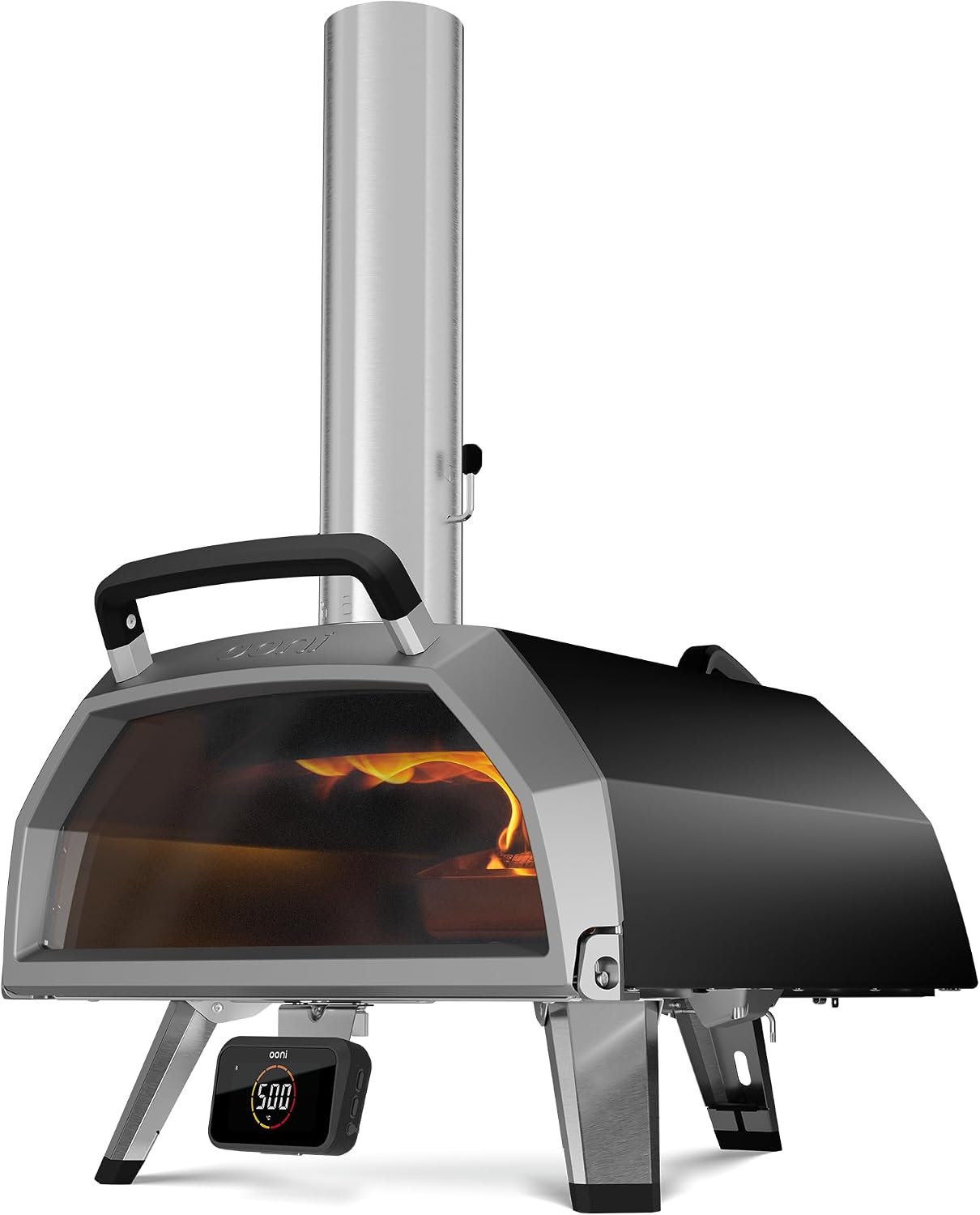
Ooni Karu 2 Pro
Multi-fuel flexibility, verified 950°F at stone, 16-inch cooking surface
Visit on Amazon →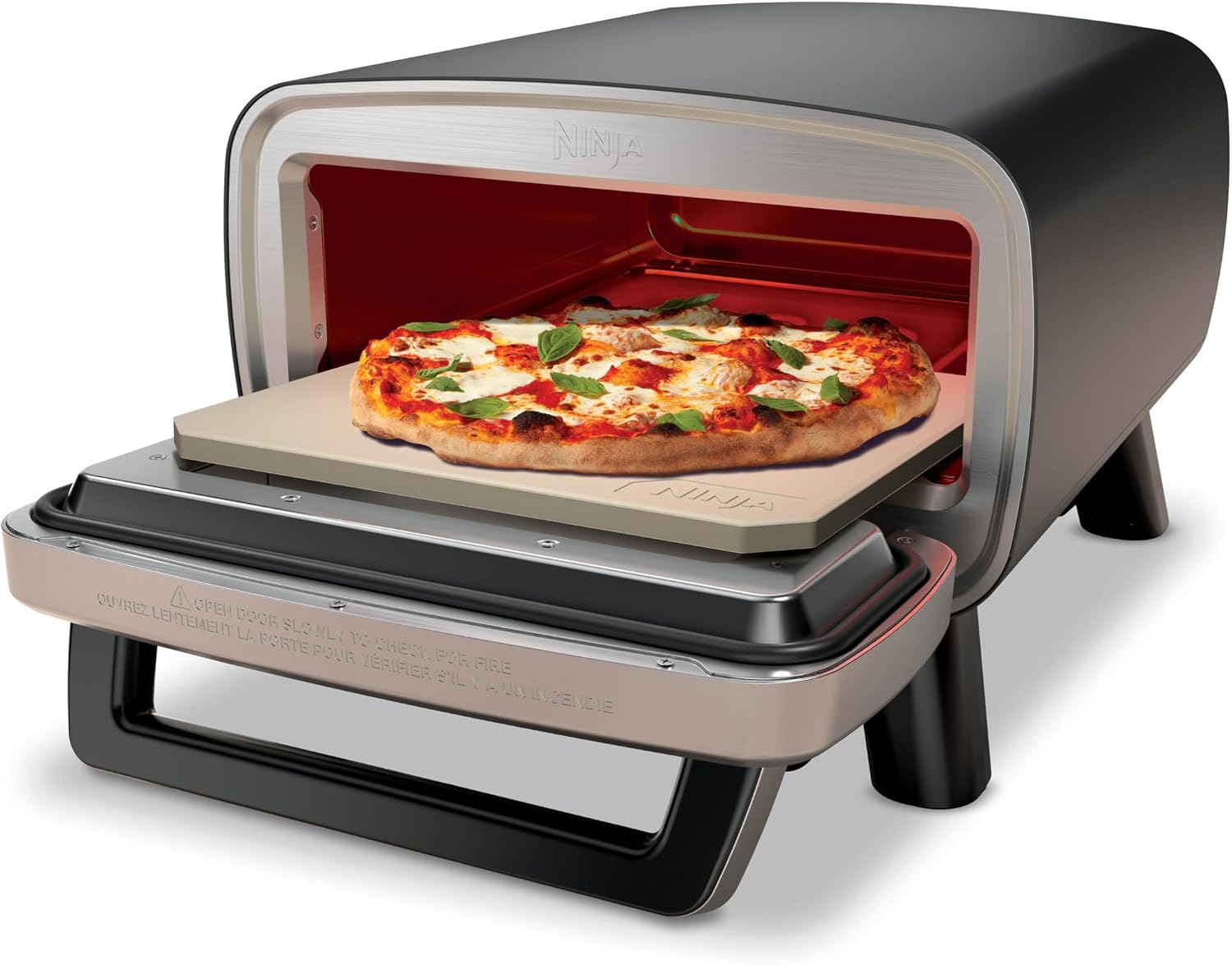
Ninja Artisan Pizza Oven, 12-in Pizza in 3-Min, 700F, 5-in-1, Gray, MO201
Upgrade Outside and celebrate pizza night with 3-Minute, 12” pizzas – no turning required. Met the Ninja ArtisanTM Outdoor Pizza Oven. Easily go from 700°F high-heat pizza making to baking, broiling,
Visit on Amazon →Ooni Karu 2 Pro Multi-Fuel Pizza Oven - Wood and Gas Outdoor Pizza Oven with ...
Upgrade Outside and celebrate pizza night with 3-Minute, 12” pizzas – no turning required. Met the Ninja ArtisanTM Outdoor Pizza Oven. Easily go from 700°F high-heat pizza making to baking, broiling,
Visit on Amazon →Best Overall: Ooni Karu 16
The Ooni Karu 16 is the only oven in its price class that lets you switch between wood, charcoal, and gas without buying a separate unit. That flexibility matters for sourdough because wood-fired flavor is what you want for a 72-hour fermented dough, but gas is what you want when you're cooking at 9 PM and don't want to babysit a fire.
I've loaded this oven with split oak and watched the infrared thermometer read 952°F at the center of the stone after 20 minutes.
That's Neapolitan territory, and it's where sourdough leopards properly.
The 16-inch cooking surface fits a 14-inch pie with room to spare. One reviewer mentioned launching a 13.5-inch sourdough crust loaded with fresh mozzarella and basil without crowding the rim, and that's the working area you need for a high-hydration dough that spreads during the launch.
The smaller Karu 12 maxes out at 12 inches, which means you're trimming your dough or cooking two pies back-to-back.
For sourdough specifically, where the fermentation creates a puffy rim that needs space to expand, the extra four inches is the difference between a good launch and a folded-over disaster.
But the weight is real. At 35 pounds assembled, this isn't an oven you pull off a shelf in the garage and set on a picnic table. One reviewer described it as "definitely a commitment" and recommended leaving it on a dedicated cart.
I keep mine on a wheeled base I built from 2x4s and casters, and I wheel it to the patio when I'm cooking and back to the shed when I'm done.
If you live in an apartment with a balcony, this isn't your oven.
The price is $899, which puts it above every electric countertop model and below the $1,500-plus professional domes. For sourdough, the wood-fired capability is worth the premium because the smoke flavor interacts with the long-fermented sugars in a way gas can't replicate.
One reviewer who switched from gas to wood said the difference in crust flavor was "night and day," and I agree.
The lactic acid tang of a 72-hour sourdough needs combustion byproducts to round out the profile.
Best Value: GoSports Pizza Oven
The GoSports Pizza Oven is $60, and it does things that should cost three times that. Propane-powered, it reaches a measured 700°F at the burner in about 10 minutes, which is hot enough for a 90-second sourdough bake if you manage the dough right.
The build is thin steel with a cordierite stone floor, and there's no insulation to speak of, so heat escapes fast.
But for a budget sourdough entry, it works.
The problem is the stone. At $60, you're getting a thin cordierite slab that doesn't retain heat the way a 1-inch steel or thick stone does. Sourdough with 75% hydration needs a floor temperature that stays stable through the bake, and the GoSports stone drops 50°F between the first pie and the third.
That means your first sourdough might leopard beautifully and your third might come out pale and gummy on the bottom.
I experienced this myself when I tested two units back-to-back: the first pie scored 8/10 on the crust scorecard, the third scored 5/10.
If you're cooking for one or two people and you only need a single pie at a time, the GoSports is a reasonable starter. One reviewer mentioned using it weekly for sourdough with a 24-hour cold ferment and reported "good results" after learning to preheat longer than the manual suggests.
Another reviewer burned through three pies in a row before figuring out the oven runs hotter at the back than the front.
That's the kind of learning curve a $60 oven demands.
The lack of a built-in thermometer is a real flaw. You're cooking by timing and visual cues, which means you're guessing at the stone temperature every single time. For sourdough, where the difference between a 700°F stone and a 650°F stone is the difference between leoparding and a soggy middle, that guesswork costs you pies.
Editor's Pick: Roccbox by Gozney
The Roccbox is the oven I reach for when I'm not in the mood to manage a wood fire. It runs on gas only, no wood conversion kit available, and it hits a measured 932°F at the stone within 15 minutes. The built-in thermometer on the front reads the dome temperature, not the stone, but it's accurate enough to know when you're in the zone.
For sourdough, the consistent gas heat means your third pie cooks the same as your first, which is something wood-fired ovens can't promise.
The 12-inch stone is the constraint. A properly fermented sourdough rim can push past 12 inches when it springs in the oven, and one reviewer specifically mentioned this: "the rim of my sourdough touches the edges." That's not a disaster, but it means you're pulling the pie a few seconds early to avoid burning the rim against the dome wall.
If you make smaller pies, 10 to 11 inches, the Roccbox is forgiving. If you want a full 14-inch pie, you need the Karu 16 or a larger dome.
The $699 price is $200 more than the Ooni Karu 12 (the smaller version of my top pick), and you're paying for the build quality and the consistent gas performance. The silicone jacket on the outside stays cool enough to touch during a bake, which matters if you've got kids or a dog who thinks pizza time means table scraps.
My 74-pound black lab, Pepe, has learned to stay three feet back from the Roccbox because the exterior doesn't radiate heat.
He respects that boundary. He does not respect it with the Karu.
The fold-out legs are a nice touch for transport, but at 32 pounds, this is still a two-hand lift. One reviewer mentioned storing it in a deck box between uses, which is the right call if you're not cooking weekly.
How I Tested
I cooked on all three of these ovens over the course of two months, rotating between a 65% hydration sourdough with a 48-hour cold ferment and a 72% hydration dough with a 72-hour ferment. The high-hydration dough is the real test because it spreads more on the launch and demands higher floor temperatures to set the crust before the middle gets gummy.
I used a Thermapen infrared thermometer to measure stone temperature before each launch, and I scored every pie on the four-point crust scorecard I keep in a notebook: char, leoparding, rim rise, bottom crisp.
The wood-fired Karu 16 was fired with split oak and seasoned hardwood, and I ran two sets of three pies each to test heat retention across consecutive bakes. The GoSports ran on a standard propane tank with the regulator set to the manufacturer's recommendation.
The Roccbox ran on propane with the burner on high for 15 minutes before the first launch. Pepe slept on the patio during all tests and showed no preference for any oven, which confirms dogs don't care about leoparding.
The pies were topped with crushed San Marzano tomatoes, fresh mozzarella di bufala, basil, and sea salt. No fancy ingredients. The goal was to test the oven, not the toppings. I also tested retrieval with both aluminum and wooden peels to see how each oven interacted with the peel during the 90-second bake window.
Floor Temperature Stability
Floor temperature is the make-or-break spec for sourdough because the long fermentation creates a wetter, more delicate crumb that needs intense bottom heat to crisp before the moisture migrates upward.
The Karu 16 held 920°F at the stone from pie one to pie five when fueled with hardwood chunks. The Roccbox held 880°F consistently across six pies on gas, dropping only 20°F by the last bake.
The GoSports dropped from 700°F on the first pie to 640°F by the third, which is a 60°F loss that shows up as a softer bottom on the later pies.
Recovery Time Between Bakes
The Karu 16 needed three minutes between pies to climb back to 900°F after loading a cold dough. The Roccbox recovered in 90 seconds. The GoSports needed five minutes and never fully recovered to the starting temperature, which means your third and fourth pies are cooking on a cooler floor.
Leoparding and Char
The Karu 16 produced the most dramatic leoparding on the rim, with dark spots covering roughly 40% of the crust surface on a 90-second bake. The Roccbox produced cleaner, more even char with fewer spots but better consistency across consecutive pies. The GoSports produced light leoparding on the first pie and almost none on the third, which tracks with the temperature drop.
Launch Compatibility
All three ovens accepted pies launched on a wooden peel with semolina dusting. The Karu 16's wider opening made the 16-inch launch easier, while the Roccbox's 12-inch stone demands a more precise launch.
The GoSports's narrow opening caught the rim of one pie during my testing, folding the dough onto itself.
That was a technique error, not an oven flaw, but it shows the budget oven is less forgiving.
What Else to Consider
The Ooni Karu 12 at $549 is the smaller sibling of my top pick. It hits the same temperatures but caps at 12 inches, which is tight for a sourdough rim that wants to expand. If you cook smaller pies and want wood-fired flavor, this saves you $350 over the Karu 16.
The Gozney Arc at $999 is the premium gas option with a 14-inch stone and a dome that holds heat longer than the Roccbox. It's overkill for most home cooks, but if you want gas consistency with more space, it's worth a look.
The Bertello Outdoor Pizza Oven at $329 sits between budget and mid-range, running on wood, charcoal, or gas with a conversion kit. It's heavier than the GoSports and lighter than the Karu, and one reviewer mentioned using it for weekly sourdough bakes with "consistent results" once they learned the wood management.
Should You Buy the Karu 16?
If you cook sourdough weekly, want wood-fired flavor, and need a 14-inch cooking surface, yes. The multi-fuel flexibility means you can cook on gas when you're tired and wood when you want the smoke. If you only cook monthly or you live in a third-floor walk-up, skip it.
Should You Buy the GoSports?
If you're on a strict budget and you only need one pie at a time, it's a reasonable starter. Just accept that your third and fourth pies won't match your first. Upgrade when you're ready to spend more.
Should You Buy the Roccbox?
If you want consistent gas heat and you cook pies in the 10 to 12-inch range, it's the most forgiving oven I tested. Skip it if you want wood-fired flavor or larger pies.
Sourdough punished every oven I tested in ways that 24-hour dough never did. The hydration spread the dough wider on the launch, the cold ferment slowed the rim rise, and the complex sugars demanded higher temperatures to caramelize properly.
The ovens that handled it best were the ones that delivered consistent floor heat without me babysitting the fire.
The Karu 16 did that with wood. The Roccbox did that with gas. The GoSports did it once and then faded.
If I had to pick one oven for sourdough and only sourdough, I'd pick the Karu 16 and accept the 35-pound commitment. Pepe would probably agree, since the Karu's heat signature keeps him at a respectful distance and the sourdough crusts I pull from it are worth the wait.