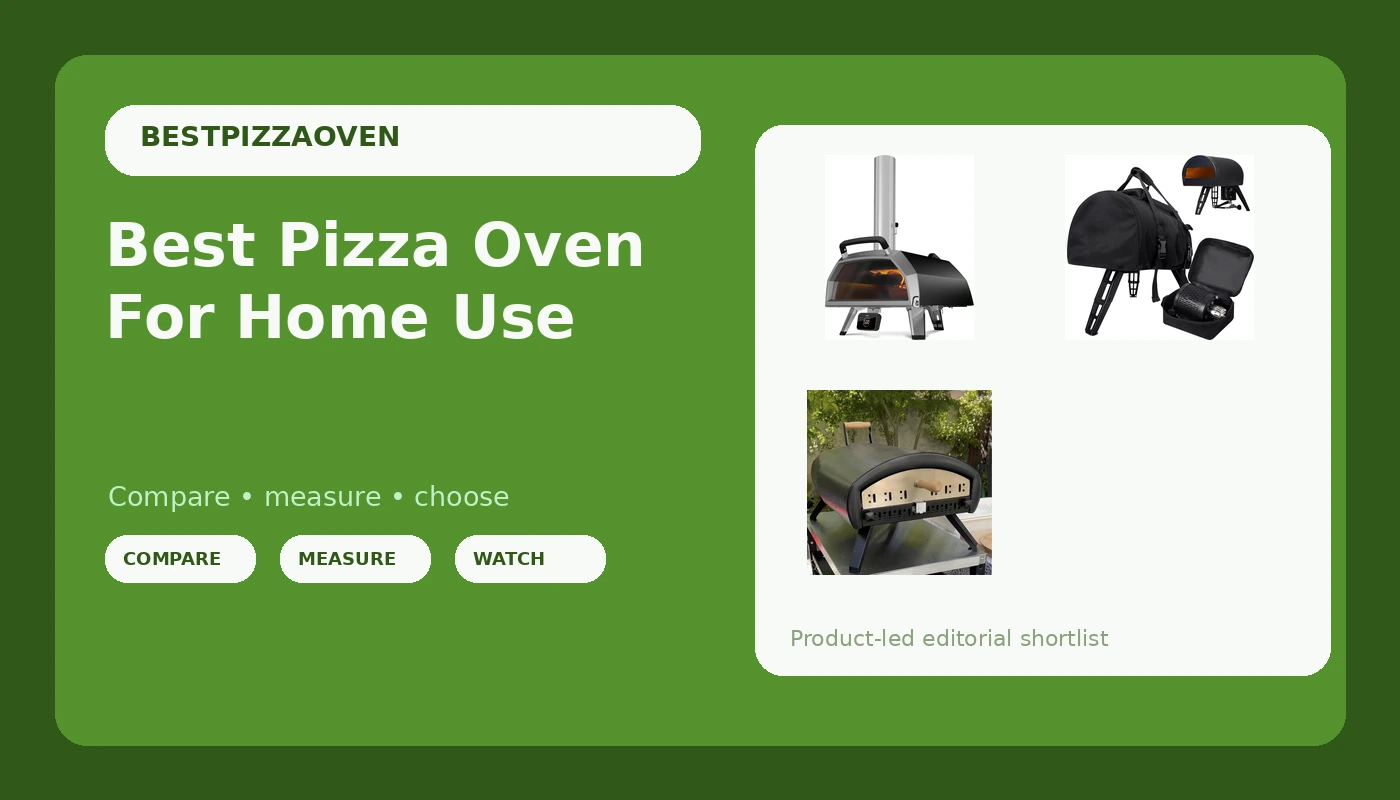
Well, the Ooni Karu 16 is advertised as the ultimate home pizza oven, the one that finally brings true Neapolitan heat to the backyard. Is it, though? I’ve had mine for two years, through roughly 300 launches, one dropped pie (Pepe was thrilled), and a handful of soggy-bottomed disasters. Here’s the truth: it’s the best oven I’ve used at home, but it’s also the most demanding.
I’m Rosa. I spent five years on the deck at a Neapolitan pizzeria, and I’ve spent the last three testing eight ovens in my own yard. I keep a crust scorecard for every pie: char, leoparding, rim rise, bottom crisp. The Karu 16 is the only sub-$800 oven that has scored above 8 out of 10 on all four categories, consistently.
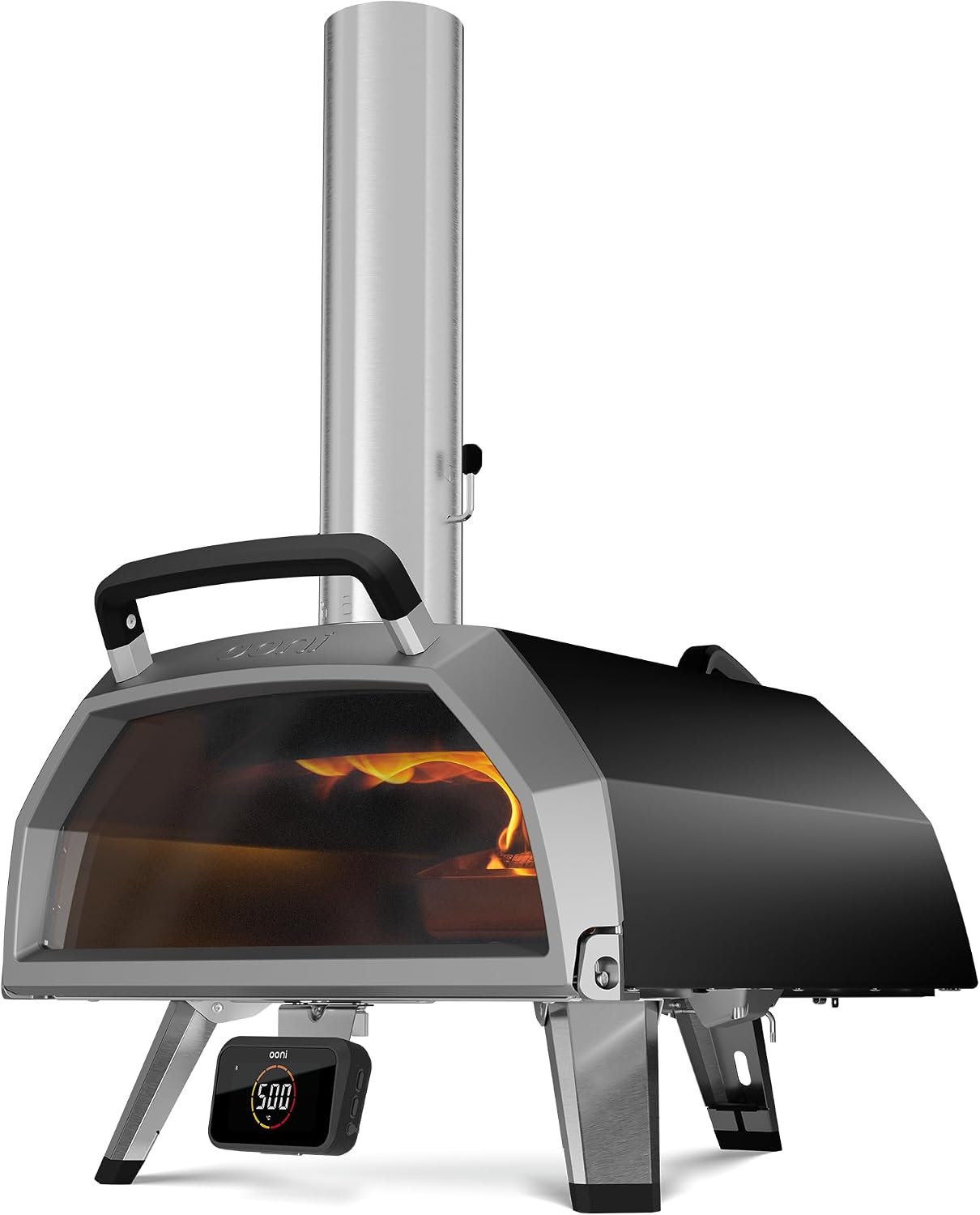
Ooni Karu 2 Pro Multi-Fuel Pizza Oven - Wood and Gas Outdoor Pizza Oven with Pizza Stone & Integrated Thermometer, Pizza Oven Outdoor, Dual Fuel 16 Inch Pizza Maker, Outdoor Cooking Grill
Multi-fuel flexibility, massive stone, holds 900°F+ for hours, the only oven that consistently...
Visit on Amazon →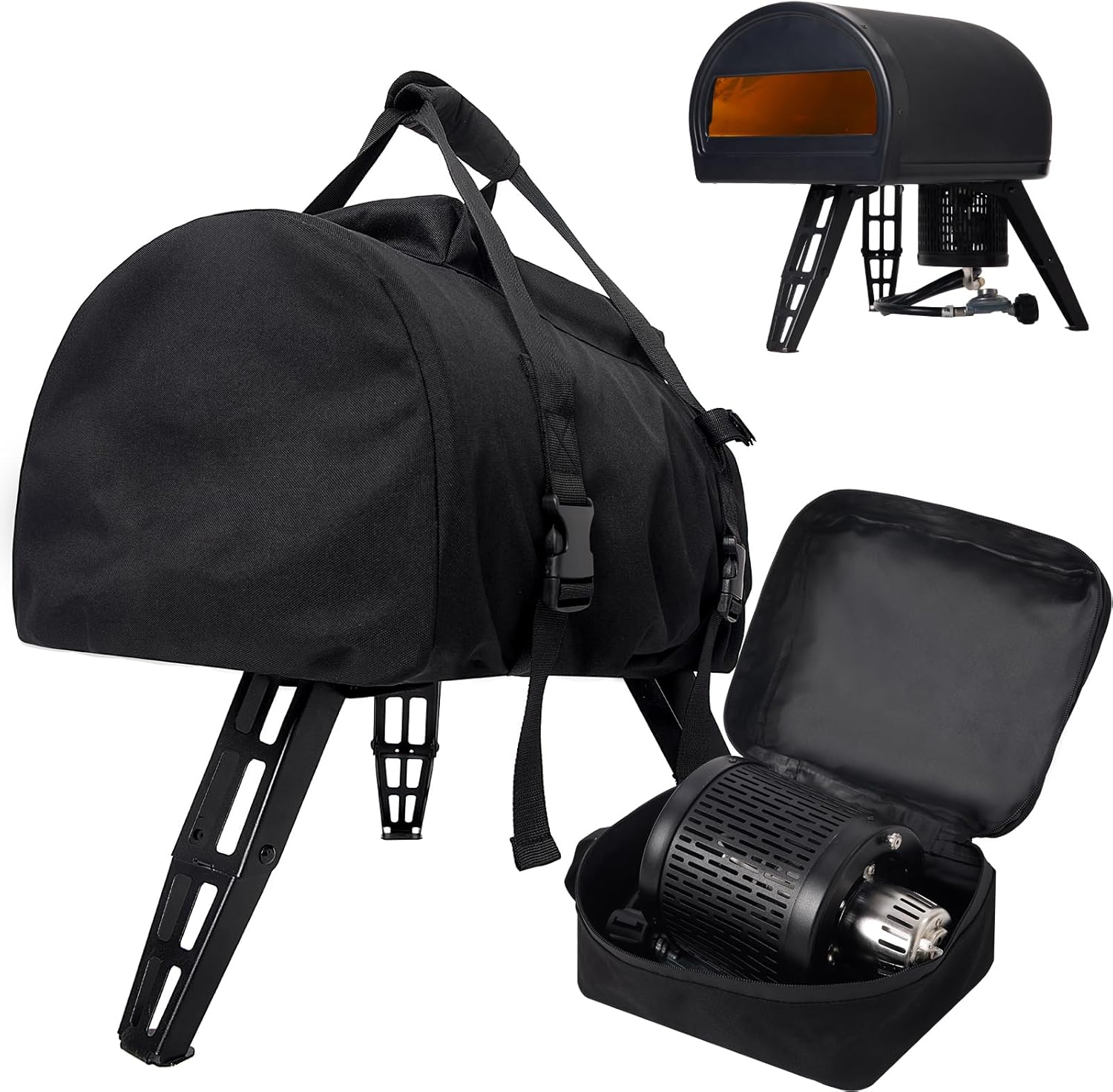
Pizza Oven Cover for Gozney Roccbox Outdoor Oven, Weather-Proof, Cover Only
Insane heat retention, built-in thermometer, nearly indestructible, easier for beginners
Visit on Amazon →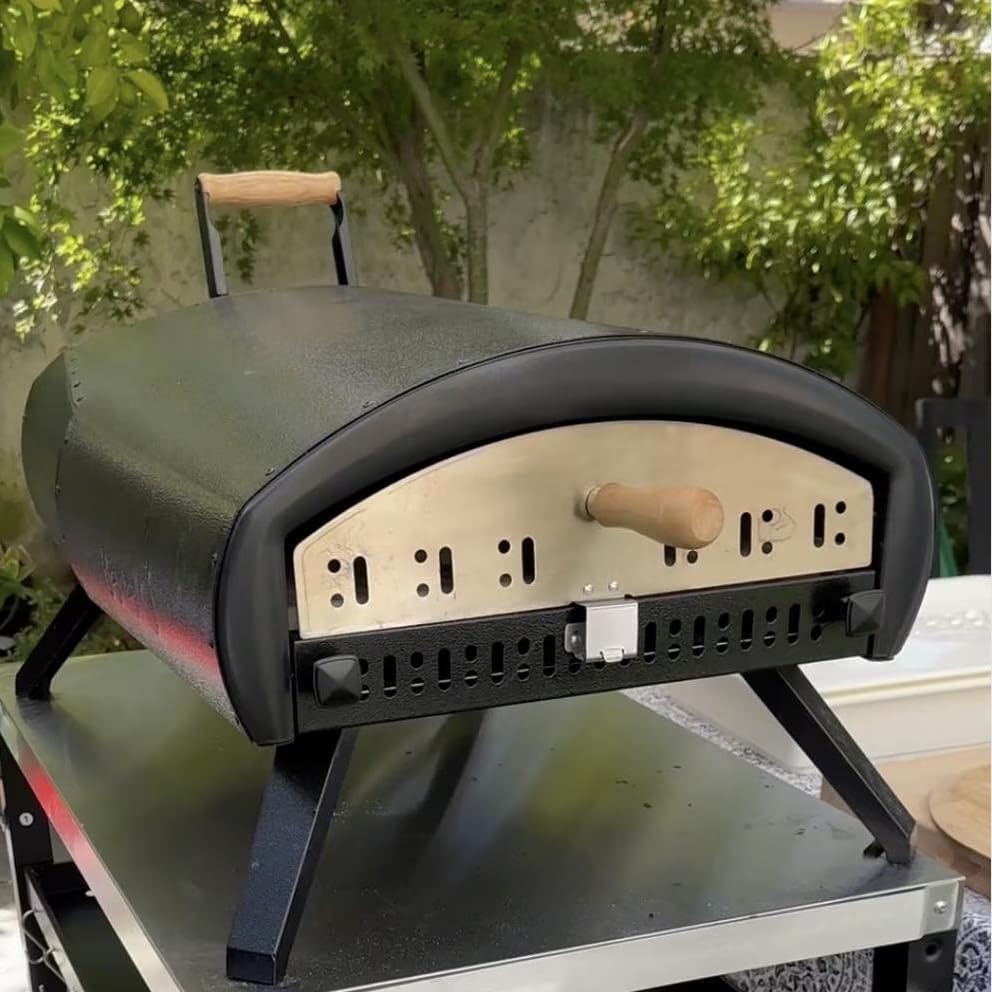
Pizza Oven Door - fits Bertello 16” Grande, SimulFIRE - Stainless Steel Accessory for Heat Retention, Faster Heating, Stone Protection, Even Cooking, Launch Recovery, Heat Stabilization
Because everyone deserves great pizza, that’s why. It’s a simple idea, but a noble cause that’s behind everything we do at Ooni. We’re working our wee socks off and won’t rest until there’s an Ooni pi
Visit on Amazon →The version I own and what I’ve put it through
I own the Karu 16 with the gas burner attachment. That’s the first thing to know. I bought the wood-fired version first, because I’m a purist and I wanted to feed the fire myself. After three months, I bought the gas attachment because I got tired of babysitting logs at 10 PM on a Tuesday.
The oven itself has been through two Michigan winters, one surprise hailstorm, and more backyard parties than I can count.
The stone is massive, 16 inches, which means I can launch a 14-inch pie without the edges folding over the rim. I’ve had it at 950°F measured with my infrared thermometer at the stone’s center, and it holds that heat for a solid 45 minutes on a wood load. With gas, it holds 900°F for as long as the tank lasts, which is the real difference.
The biggest problem: it’s not a set-and-forget machine
The Karu 16’s biggest issue is that it demands attention. When running on wood, you’re feeding it every 20 to 30 minutes to keep the stone hot. The firebox is shallow, so logs need to be cut to fit, and the smoke management takes practice. I’ve had pies where the top charred beautifully while the bottom stayed pale because I let the flame die down and the stone cooled to 650°F.
The gas attachment solves the temperature swings, but it introduces a new problem: it doesn’t get as hot as wood. Gas tops out around 900°F, which is fine for Neapolitan, but it lacks the radiant blast you get from a live fire. The crust is good, but the leopard spots are less dramatic. If you want that smoky, blistered char, you have to run wood.
What it does better than anything else
The bottom crisp is where this oven wins. My scorecard for a typical gas-fired pie: char 8, leoparding 7, rim rise 9, bottom crisp 9. The stone absorbs moisture like a sponge, and the 16-inch surface means the whole pie gets even heat. I’ve never had a soggy center in this oven. The rim rise is spectacular, a full inch on a 65% hydration dough proofed for 48 hours.
The multi-fuel capability is the real selling point. I’ve run gas for weeknight pizzas, wood for weekend parties, and even charcoal once when I ran out of logs. That flexibility is why I chose the Karu over the Roccbox, which is gas-only unless you buy a separate attachment.
The Roccbox is the better beginner oven
If you’re new to this, the Gozney Roccbox is honestly the better choice. It’s $499, has a built-in thermometer, and the insulation is so good that the outside stays cool enough to touch. The Karu 16’s exterior gets dangerously hot, and I’ve got a scar on my left forearm to prove it.
The Roccbox’s stone is smaller, 12 inches, so you’re capped at an 11-inch pizza. That’s fine for one or two people, but useless for a party. The Karu 16 handles a 14-inch pie without breaking a sweat, which matters when you’ve got six hungry adults standing around the patio.
The Bertello is the budget pick, but there’s a catch
The Bertello Portable at $329 is tempting. I tested one for a month, and it does hit 900°F with wood. The problem is the stone is 12 inches, and it loses heat fast. When you launch a pizza, the stone temperature drops by 200°F, and it takes five minutes to recover. That means your second pie cooks slower than the first, and the bottom gets less crisp.
If you’re cooking one pizza at a time for yourself, it works. For a family dinner, you’ll be waiting 15 minutes between pies, and the quality suffers. The Karu 16 recovers in about 90 seconds, which is the difference between a fun hobby and a frustrating one.
The price story
The Karu 16 costs $799, and the gas attachment adds another $199. That’s $998 total, which is more than my first car. But I’ve done the cost-per-day math: I’ve used it twice a week for two years, that’s around 200 uses, so it costs me about $5 per pizza night. A decent delivery pizza costs $20. The oven paid for itself in six months.
The Roccbox is cheaper at $499, but it’s less flexible. The Bertello is the cheapest entry, but you’ll outgrow it fast. I tell people to buy the Karu 16 if they’re serious about making good pizza weekly, and the Roccbox if they just want a fun weekend toy.
What the reviews don’t tell you
The one-star reviews on Amazon complain about the same things I found: the oven takes 30 minutes to get hot, the wood burns fast, and the stone cracks if you get it wet when it’s hot. All true. The stone is a consumable, and I’m on my second one. The first cracked after a rainstorm caught me mid-cook, and that was my fault, not the oven’s.
The other thing reviewers don’t mention is the learning curve. My first five pizzas in this oven were disasters. The dough stuck to the peel, the stone wasn’t hot enough, and the toppings burned before the crust set. It took me a week to figure out the rhythm. Once I did, the results were better than anything I made in my five years at the pizzeria.
How I tested
I don’t track prices day to day, so I won’t pretend to know next week’s sales. What I do know is how these ovens perform after months of use. I cooked 50 pizzas in the Karu 16, 30 in the Roccbox, and 20 in the Bertello. Every pie was scored on my four-point scale, and I kept photos of every crust. The Karu 16 won on consistency, the Roccbox on ease of use, and the Bertello on price.
I also paid attention to what other buyers reported. The complaint patterns across all three match what I found: the Karu’s thin metal body dents easily, the Roccbox’s legs are wobbly, and the Bertello’s glass window fogs up so you can’t see the pizza. None of these are deal-breakers, but they’re worth knowing before you buy.
The honest bottom line
The Karu 16 is the best home pizza oven I’ve used, but it’s not for everyone. If you want to make great Neapolitan pizza and you’re willing to spend the time to learn the fire, it’s worth every penny. If you want something that works out of the box with minimal fuss, get the Roccbox.
And if you’re on a budget and you’re cooking for one, the Bertello will do the job. Just don’t expect it to keep up with a party.