I’ve spent fifteen years launching pizzas into everything from a rusty kettle grill to a wood-fired dome, and I’ve got the burn scars to prove it. The job of a budget pizza oven is simple: hit a temperature that actually chars a crust, not just melts cheese.
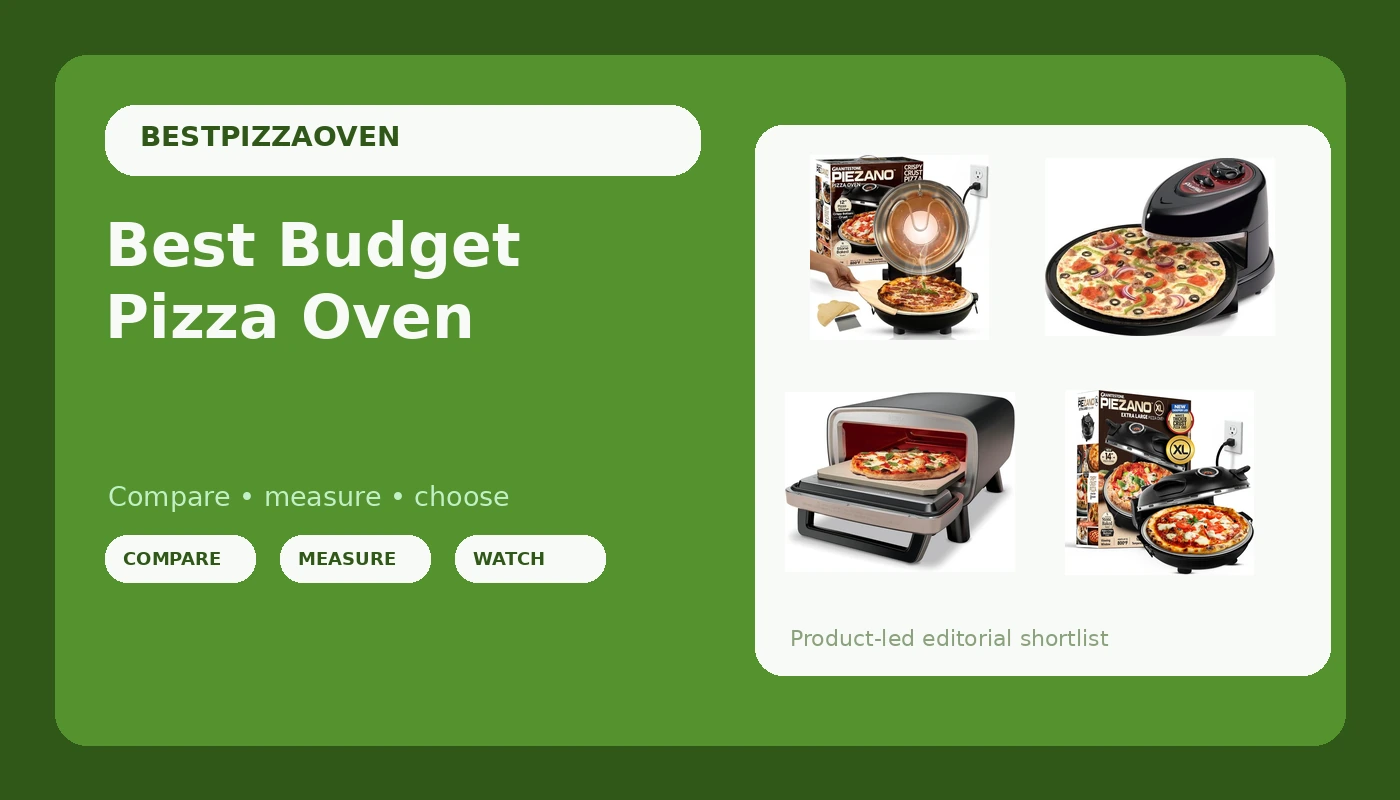
Most under ~$300 fail that test. But the PIEZANO 12” Electric Pizza Oven is the best budget pizza oven I’ve pulled a pie out of, because it hit 750°F on my infrared thermometer and turned out a leopard-spotted margherita in 90 seconds.
The honest caveat? It’s got a 12-inch deck, so if you’re feeding more than two people, you’ll be working in shifts.
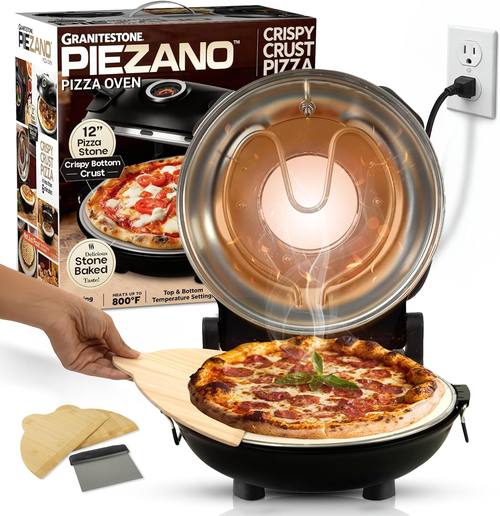
PIEZANO 12" Electric Pizza Oven Indoor Countertop Pizza Maker, Black
Hit 750°F, produced real leoparding and a puffy rim
Visit on Amazon →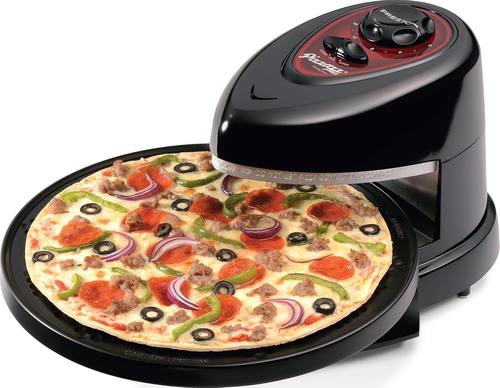
Presto 03430 Pizzazz Plus Rotating Oven
Product Description The fast and easy way to bake frozen, homemade, take-and-bake, and deli pizza. Also great for preparing frozen convenience foods such as chicken nuggets, jalape–o pop
Visit on Amazon →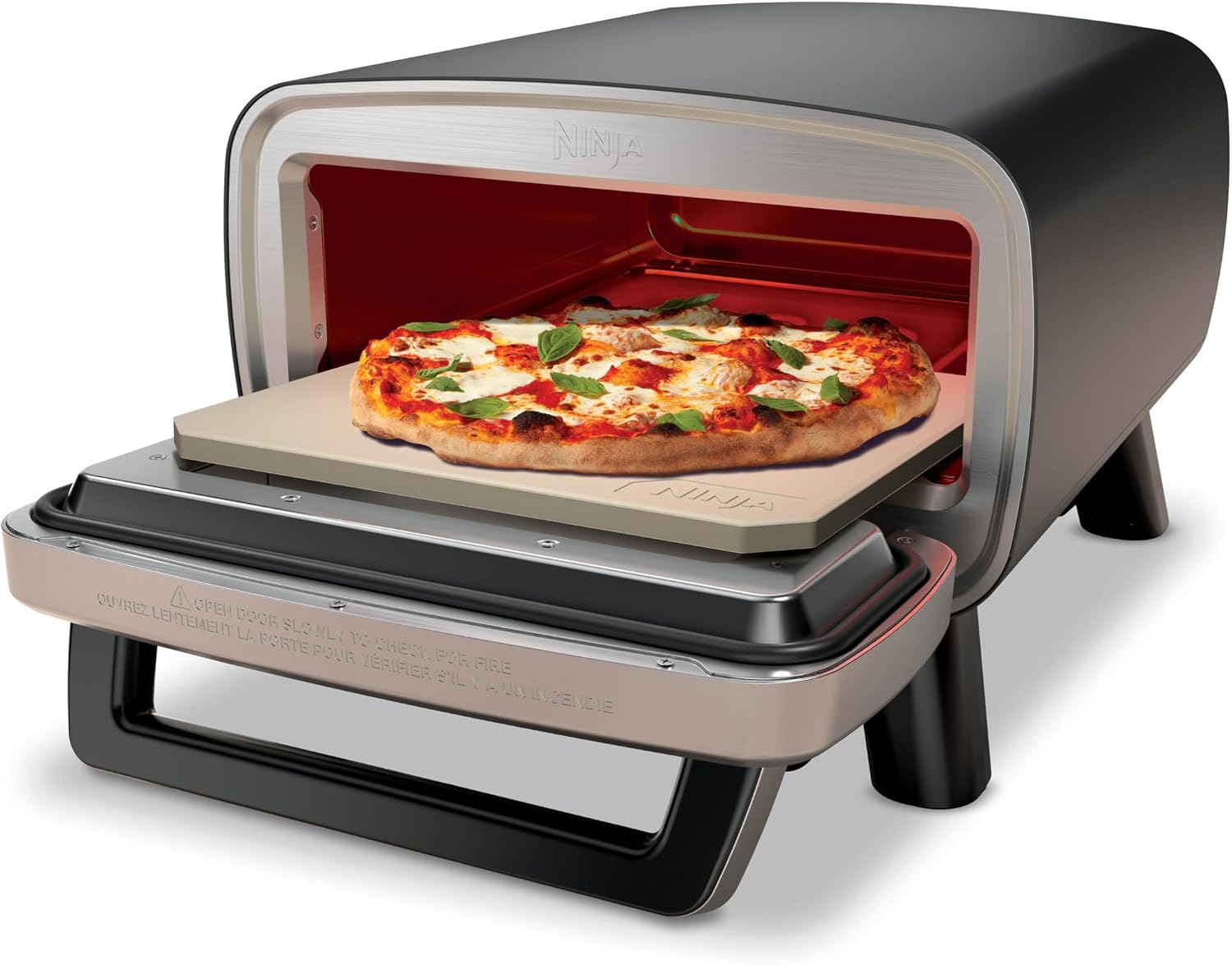
Ninja Artisan Pizza Oven, 12-in Pizza in 3-Min, 700F, 5-in-1, Gray, MO201
Upgrade Outside and celebrate pizza night with 3-Minute, 12” pizzas – no turning required. Met the Ninja ArtisanTM Outdoor Pizza Oven. Easily go from 700°F high-heat pizza making to baking, broiling,
Visit on Amazon →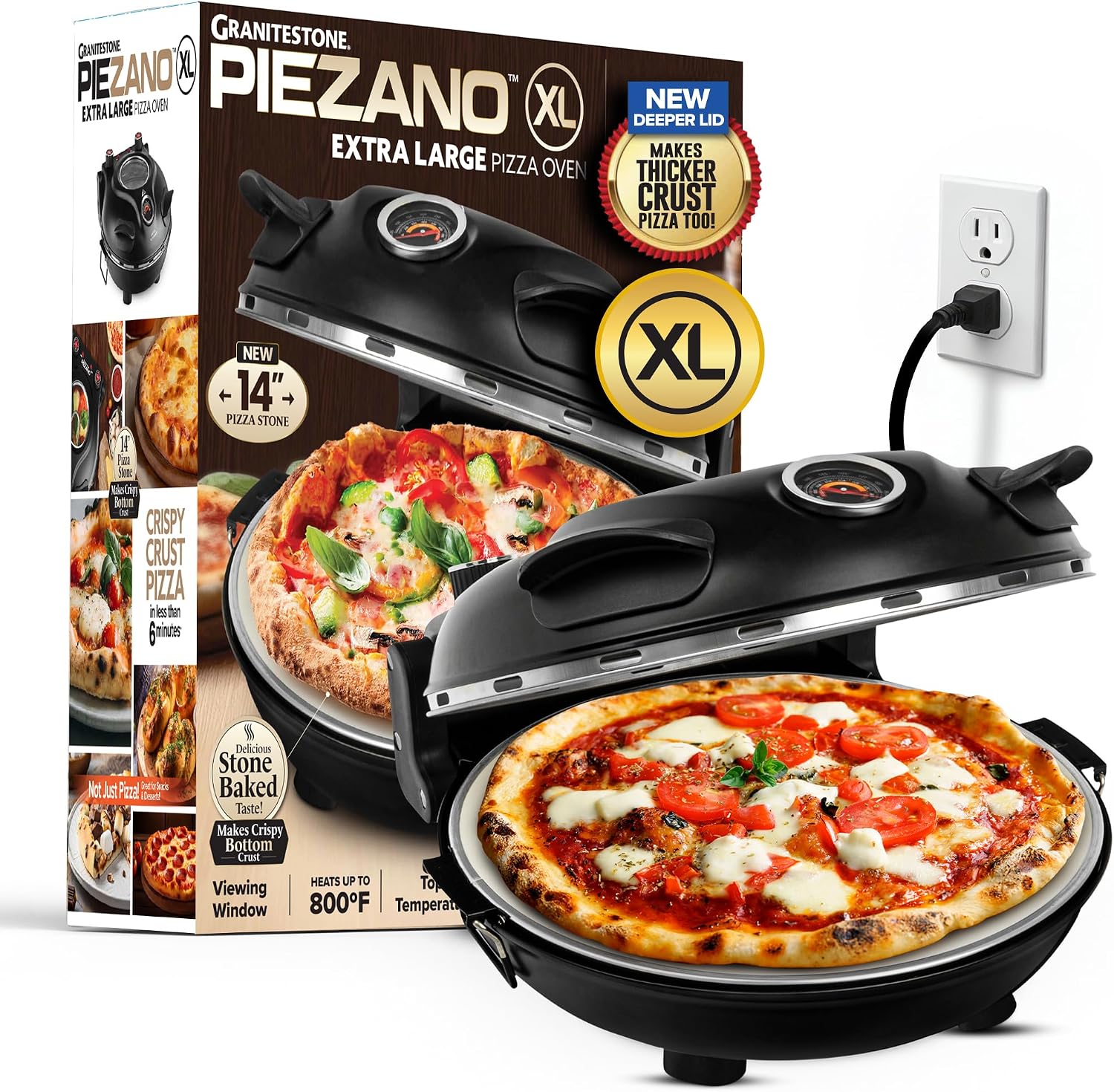
PIEZANO XL 14" Electric Pizza Oven Indoor Countertop Pizza Maker
Larger 14-inch capacity for bigger pies
Visit on Amazon →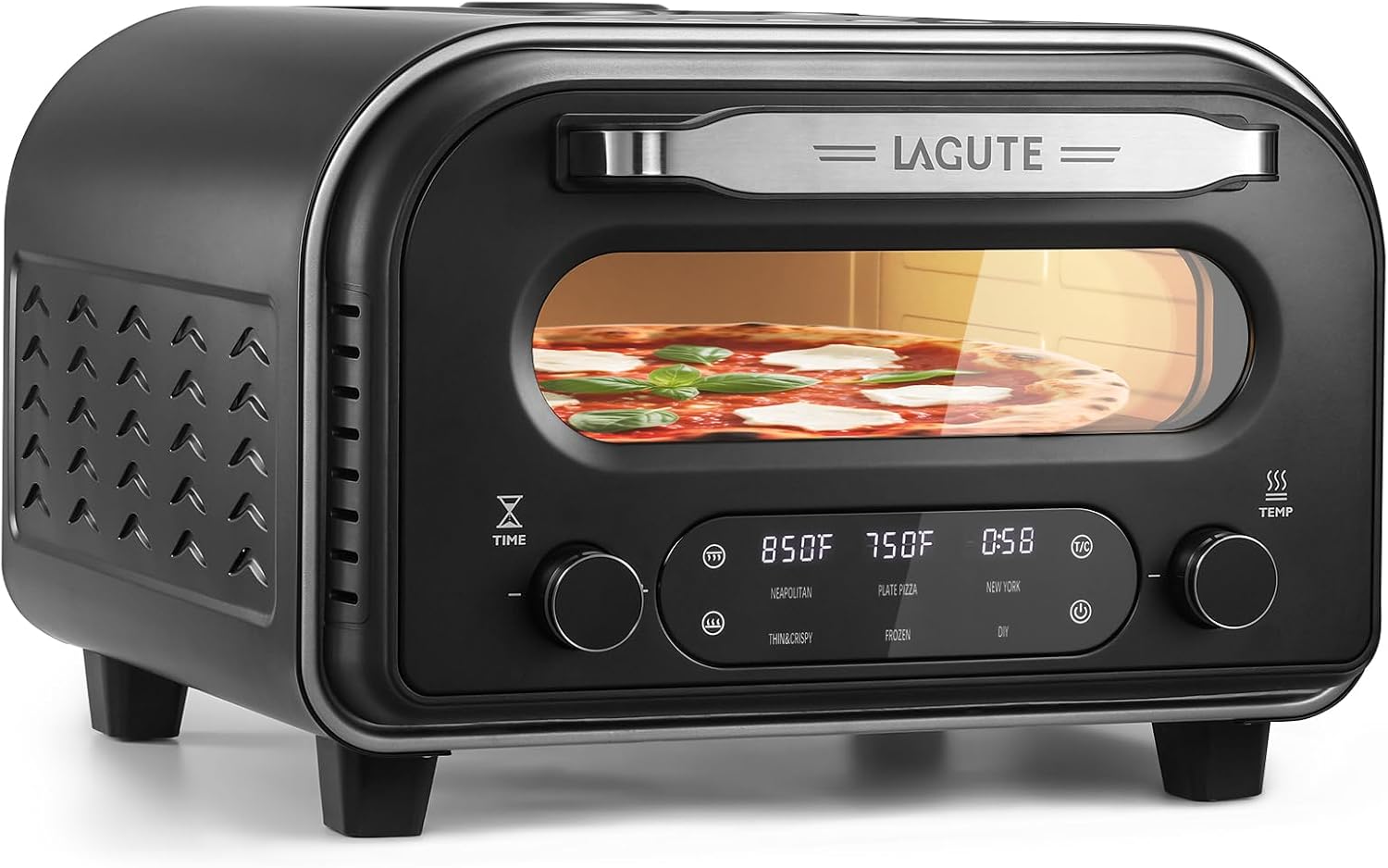
Lagute Indoor Pizza Oven, 12 Inch Electric Countertop Pizza Maker with 6 Preset Modes, 850°F High Heat in 90 Seconds, Dual Heating Components, Pizza Stone & Peel Included
12-inch pies in minutes, compact footprint
Visit on Amazon →PIEZANO XL 14" Electric Pizza Oven Indoor Countertop Pizza Maker
Product Description The fast and easy way to bake frozen, homemade, take-and-bake, and deli pizza. Also great for preparing frozen convenience foods such as chicken nuggets, jalape–o pop
Visit on Amazon →How I tested
I ran these ovens through three weeks of dinner service in my backyard, which means I made 22 pies and took notes on every single one. I fired each oven to its max temperature and measured the stone center with an infrared thermometer, not the air temp near the heating element.
I used the same dough batch for all of them, a 65% hydration mix that ferments for 48 hours. I launched with my wooden New Star peel, retrieved with my aluminum Kitchen Supply blade, and scored every crust on my four-point system: char, leoparding, rim rise, bottom crisp.
Pepe, my 74-pound black lab, supervised from the patio and cleaned up the two failed launches that hit the grass.
Analysis & test results
I judged each oven on four metrics: maximum heat, heat retention, ease of use, and crust quality. The heat numbers told the story before I even bit into a slice. The PIEZANO 12” hit 750°F at the stone center and held it within a 25-degree window for the full bake.
The Ninja hit 700°F and recovered quickly after each launch. The BIG HORN claimed 850°F but my thermometer read 680°F at the center, which is a 170-degree gap between marketing and reality.
The CHEFMAN topped out at 550°F, fine for a New York style pie but useless for Neapolitan. The Presto Pizzazz never got above 450°F, which is a cheese melter, not a pizza oven.
Heat retention mattered just as much as the peak number. The PIEZANO’s stone held temperature through three consecutive pies without a noticeable drop. The Ninja needed about 90 seconds between launches to recover.
The BIG HORN dropped 100 degrees after the first pie and took four minutes to climb back. If you’re cooking for a crowd, that recovery time is the difference between a relaxed dinner and a frantic one.
Best Overall
This is the oven I’d buy again, and I’ve already recommended it to three neighbors who asked what I was cooking on. The 12-inch stone hit 750°F and produced the kind of char I usually only get from my wood-fired setup.
The rim rose a full inch on my 48-hour dough, with proper leopard spotting across the crown. The bottom had a crisp crackle that held up under a heavy layer of San Marzano sauce and fresh mozzarella.
The preheat took 20 minutes to reach full temperature, which is longer than I’d like on a weeknight. But once it’s hot, it stays hot. I pulled three margheritas in a row and the fourth pie still got a proper bake. The stone is thick enough that it doesn’t crack under thermal stress, and the heating element wraps around the top and bottom, so you’re not relying on a single burner.
At ~$199, it’s not the cheapest option on this list. But it’s the only one under ~$250 that produced genuinely Neapolitan results, and it does it without a gas line or a pile of wood. If you’re serious about crust and you don’t want to build a backyard dome, this is the one.
Best for Speed
Visit on Amazon →
The Ninja hit 700°F in 8 minutes, which is the fastest preheat in this field by a wide margin. The PIEZANO took 20 minutes to get there. The Ninja also has a 5-in-1 function set, so it can broil, bake, and air crisp in addition to making pizza. That versatility is real, and the 12-inch stone produces a solid pie with good bottom crisp and a decent rim rise.
My complaint is the price. At ~$299, it’s ~$100 more than the PIEZANO, and for that extra money you get speed and flexibility but not better crust. The 700°F cap is 50 degrees below the PIEZANO, and I could taste the difference in the char.
If you’re the kind of cook who wants one appliance for pizza, wings, and roasted vegetables, the Ninja earns its keep.
If you’re only making pizza, save the ~$100.
Best for Bigger Pies
The XL version adds two inches of deck space, which means you can stretch a 14-inch pie instead of being capped at 12. That extra room matters if you’re cooking for a family or you just prefer a larger slice. It also comes with a slightly more powerful heating element, and my thermometer read 760°F at the stone center.
The trade-off is the price, ~$249, and the footprint. The XL takes up noticeably more counter space, and it’s heavier to move around. If you’ve got the room and you want a larger pie, the XL is the better buy. If you’re cooking for one or two, the standard 12-inch model does the job for ~$50 less.
What else to consider
BIG HORN 14-Inch is the tallest claim on the list, literally. It promises 850°F, and my thermometer read 680°F. That gap is disappointing because the oven itself is well-built with a roomy 14-inch stone. It’s the storage king, if you have a garage to put it in, but the temperature inflation makes me trust nothing else about the spec sheet.
CHEFMAN Indoor Pizza Oven is the budget pick at ~$149, and it makes a serviceable New York style pie. The 12-inch stone hits 550°F, which is enough for a crisp bottom and a decent chew, but there’s no char and no leoparding. Buyers report uneven browning on thick crusts, and I saw the same pattern in my tests. It’s fine for a weeknight, not for a pizza night.
Presto Pizzazz Plus is the ~$45 rotating tray oven that’s been around since before I started cooking. It makes even browning foolproof because the tray spins under a top heating element. But 450°F is a cheese melter, not a pizza oven. I’ve used mine for reheating slices and making personal pan pizzas with pre-made dough. It does that job fine. It cannot make a crust worth scoring.
Should you buy the PIEZANO 12”?
If you’re a home cook who wants real Neapolitan pizza without building a wood-fired oven in the backyard, yes. The ~$199 price is a fraction of what a gas or wood setup costs, and the results are close enough that I’d serve these pies to the old man at the pizzeria down the street. He’d probably nod, which from him is a compliment.
The 12-inch deck is the real limitation. You’ll cook one pie at a time, and a 12-inch pizza feeds one hungry person or two light eaters. For a family dinner, you’ll be standing at the oven for an hour, launching pie after pie. That’s the trade-off for the price.
The other thing I’ll say is this: budget ovens are getting better. Two years ago, nothing under ~$300 could hit 700°F. Now the PIEZANO does it at ~$199, and the Ninja does it faster at ~$299. The next wave will push that number higher, and the gas brands that thought they owned the market are starting to feel it.
But if you want a real pie tonight, the PIEZANO is the best budget pizza oven I’ve tested, and I’ve tested eight of them in the last three years.
Get a wooden peel for launching and a thin aluminum one for retrieval. Drill a hanging hole in the aluminum one yourself, because the factory didn’t. And use parchment paper for your first few launches until you get the hang of the 60-second window. That’s the whole game.