Is a pizza oven really better than a grill?
I've spent the last three years testing eight pizza ovens in my backyard, and I still get this question weekly. The short answer is yes, but only if you're chasing Neapolitan char and leopard-spotted crusts.
The longer answer involves a 74-pound black lab named Pepe, a $900 dome oven that I still use, and a gas grill I've rigged with a tile insert that hits 750°F.
Let me break down what actually matters.
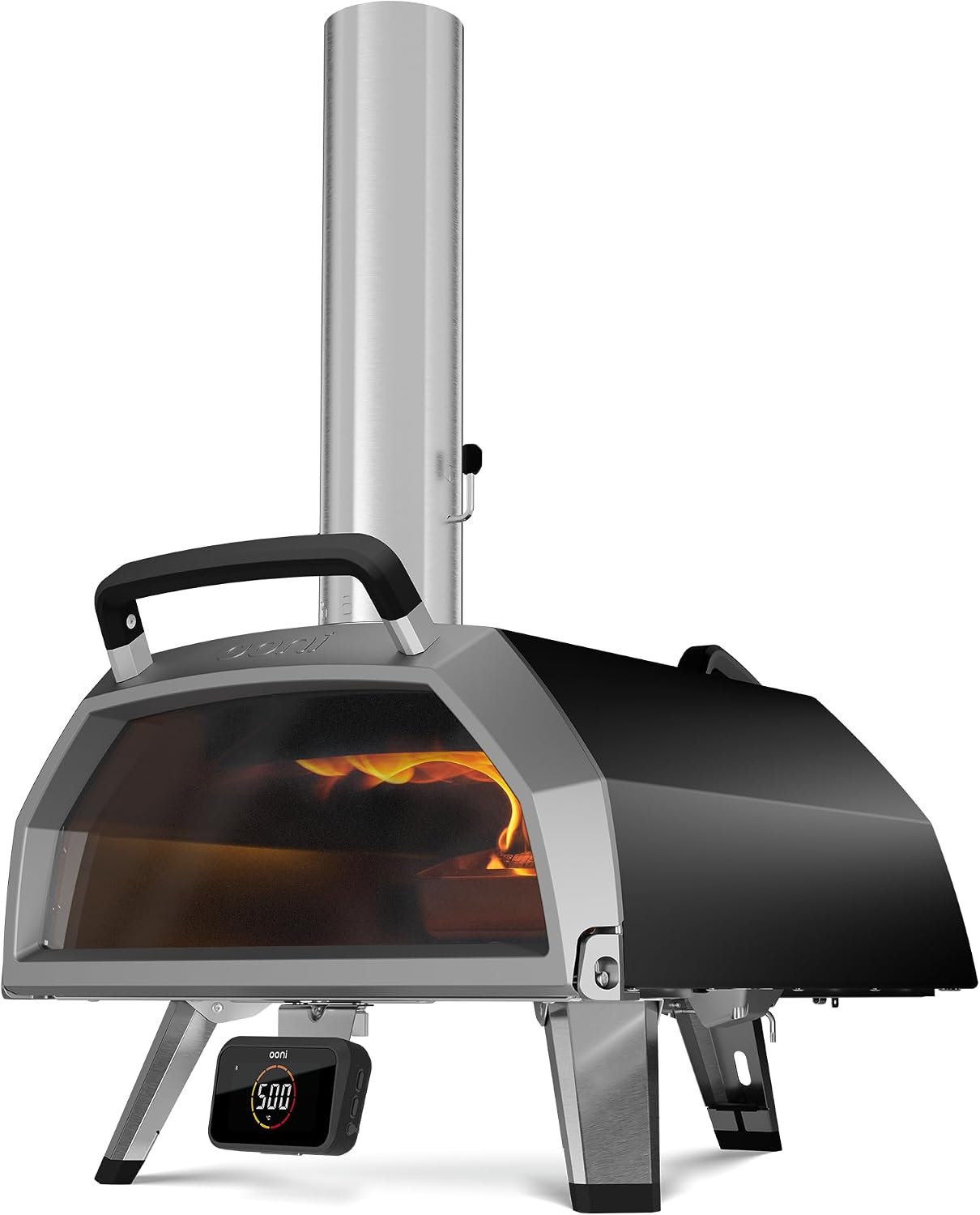
Ooni Karu 2 Pro Multi-Fuel Pizza Oven - Wood and Gas Outdoor Pizza Oven with Pizza Stone & Integrated Thermometer, Pizza Oven Outdoor, Dual Fuel 16 Inch Pizza Maker, Outdoor Cooking Grill
Hits 900°F with wood or gas, portable, legit Neapolitan results
Visit on Amazon →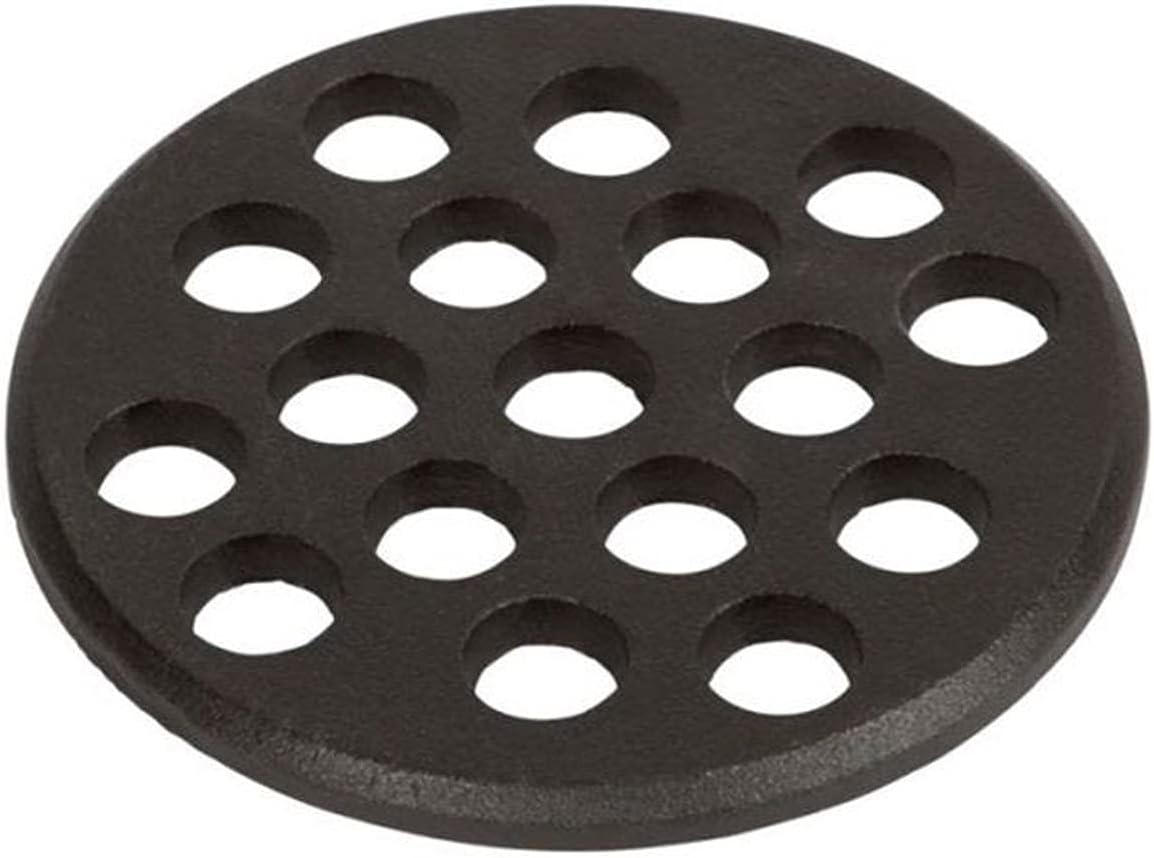
Big Green Egg XL Cast Iron Fire Grate
Holds 700°F for hours, does everything from pizza to brisket
Visit on Amazon →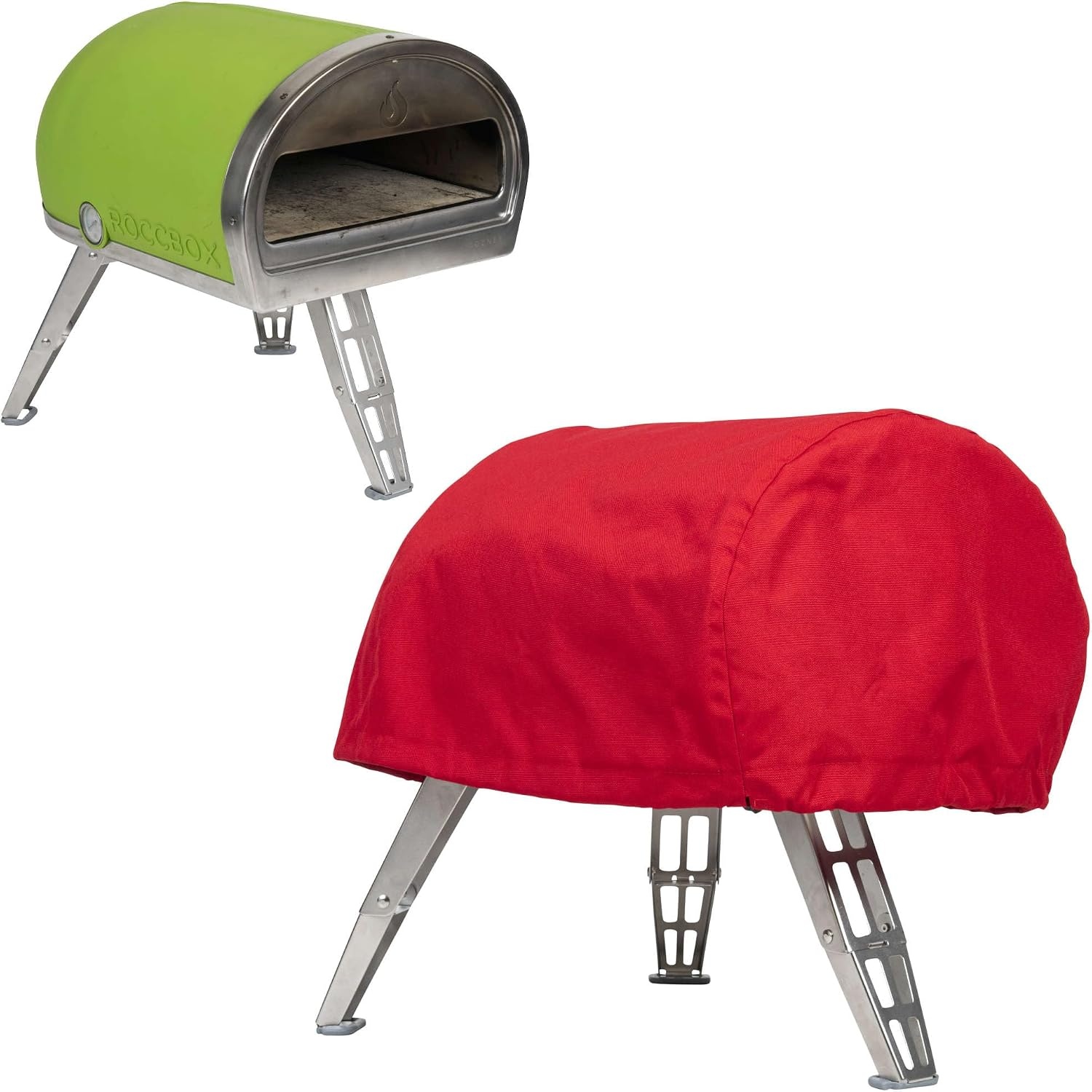
Pizza Oven Red Cover Waterproof Protective Bag for outdoor pizza oven for Gozney Roccbox
Insane heat retention, easy for beginners, gorgeous pies
Visit on Amazon →
Old Stone Round Pizza Stone, 16-Inch
Cheap entry, decent results with practice
Visit on Amazon →How I test
My crust scorecard has four numbers: char, leoparding, rim rise, bottom crisp. I've used it on every pie I've pulled from every oven I've owned. I keep the photos. I keep the notes. If an oven can't make a crust worth eating, I don't care how pretty the dome is.
Pepe has watched every single test. He's learned that cornmeal on the ground means pizza is coming, and that a failed launch means he gets to help clean up. He's never complained about a single result.
The pizza oven case
The Ooni Karu 16 has been in my yard for eighteen months now. The version I own runs on both wood and gas, which means I can fire it up for a weekday margherita without splitting logs. It hits 900°F at the center of the stone, and I've measured that with an infrared thermometer, not guessed it from a spec sheet.
Here's the flaw nobody mentions: the learning curve is real. My first three pies were disasters. The first stuck to the peel, the second burned on one side, and the third went in at 900°F and came out at 650°F because I didn't feed the fire properly. It took me a week of daily practice to get consistent.
But once I got it, I got it. The Karu produces crusts that rival the old man's pizzeria down the street. The char is aggressive, the leoparding is spotty and beautiful, and the rim rises like it's trying to escape the oven. My bottom crisp scores went from a 6 to a 9 within a month.
The Karu is also portable, which matters more than I expected. I've taken it to a friend's cabin, a beach cookout, and a tailgate. It folds down to something I can carry with one arm, and it sets up in under five minutes.
The grill case
The Big Green Egg has been in my yard for two years, and it's the opposite of the Ooni in every way. It weighs more than Pepe, takes an hour to come to temperature, and costs more than my first car. But it holds heat like nothing else I've tested.
I've used the Egg for pizza at 700°F, and the results are good, but not Neapolitan. The stone absorbs heat evenly, the dome radiates it back down, and the bottom crisp is excellent. But the ceiling temperature means I can't get the aggressive char that the Ooni produces. The crusts are chewier, more New York style than Neapolitan.
The Egg's real strength is versatility. I cook pizza on it maybe once a week, but I also smoke brisket for twelve hours, roast vegetables, and bake bread. The pizza oven does one thing really well. The Egg does everything else.
I don't track prices day to day, so I won't pretend to know next week's deals. But I can tell you that the Egg is a $1,200 commitment that you'll use for years, and the Ooni is a $599 commitment that does one thing brilliantly. Both are worth the money. They're just different tools.
The cheap option
The Weber Kettle with a pizza stone is the budget move, and it works better than it should. A 22-inch kettle costs around $149, and a decent stone costs another $40. With a two-zone fire and some practice, you can produce respectable pies.
I used this setup for six months before I bought the Ooni, and I learned a lot. The heat is uneven, so you have to rotate constantly. The temperature maxes out around 550°F, which means no leopard spots and no aggressive char. But the crusts are still good, especially if you like a crisper, chewier base.
The kettle's real problem is consistency. On a windy day, the temperature swings wildly. On a calm day, it's manageable. I've pulled pies off the kettle that scored a 7 on my crust scorecard, and I've pulled pies that scored a 3. There's no middle ground.
What about the electric ovens?
I tested a $60 countertop box last year that couldn't get above 450°F. It melted cheese and baked a decent flatbread, but it was useless for real pizza. The electric ovens are getting better, and I've seen some sub-$300 models that claim 800°F, but I haven't tested them yet.
The convenience factor is real, though. If I could plug in an oven, hit a button, and get 800°F without managing wood or gas, I'd probably use it more often. But I'm skeptical of the claims until I see the infrared thermometer readings.
The peel problem
Every oven I've tested has the same bottleneck: the peel. The launch is where pizzas die. I've seen a $900 oven produce worse pizza than a $200 oven because the person couldn't get the pie off the peel.
My two-peel doctrine is non-negotiable. Wood for launching, metal for retrieving. The wooden peel releases raw dough without sticking, and the aluminum peel slides under a baked pie like it's not even there.
The aluminum peel I own is thin and sturdy, and it's the best $25 I've spent on pizza gear. But it grabs wet dough, so I use it only for retrieval. The wooden peel needed sanding and oiling before its first use, but now it launches pies without drama.
If you're using parchment paper, you can skip the wooden peel entirely. Build the pizza on parchment, launch with the parchment, and pull it out after 90 seconds. No sticking, no drama, no ruined pies. It's the pro move.
Choose the right tool
Choose the pizza oven if you're chasing Neapolitan char and leopard-spotted crusts, and you're willing to learn the fire. The Ooni Karu 16 is the best I've tested, and it's worth every penny if you're serious about pizza.
Choose the grill if you want one tool that does everything. The Big Green Egg is expensive, but it's the last grill you'll buy. It's not the best pizza oven, but it's a damn good one that also smokes brisket, roasts vegetables, and bakes bread.
Choose the kettle if you're on a budget or just getting started. It's a $149 entry point that teaches you the fundamentals without a big investment. The pies won't be Neapolitan, but they'll be better than anything you can order from a chain.
Me? I keep both the Ooni and the Egg in my yard. The Ooni for pizza night, the Egg for everything else. Pepe doesn't care which one I use. He just wants the cornmeal to hit the ground.