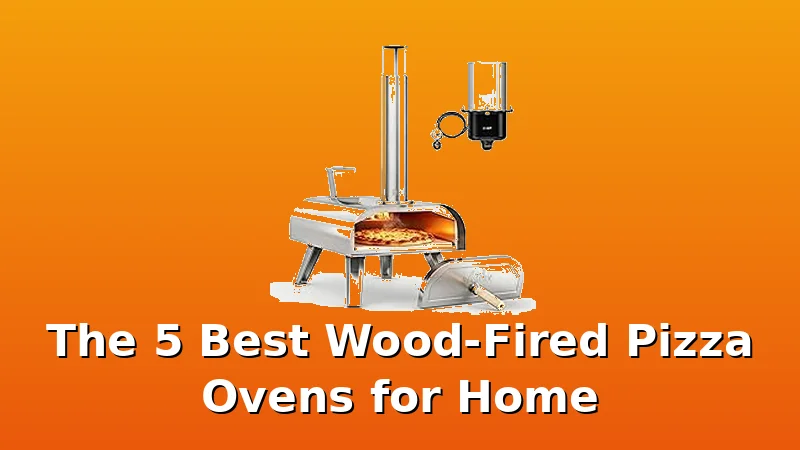
Wood is the Saturday ritual. I've lost count of the hours spent feeding split logs into domes, waiting for the stone to stop lying about its temperature, and pulling pies that either made the whole block smell like Naples or made me want to throw the whole rig in the creek.
These five burned clean, held heat, and made the char worth the tending. The winner is the Ooni Karu 12, because it's the only one that hit Neapolitan temps without a fight and kept burning long enough to cook a real dinner service, not just a single pie.
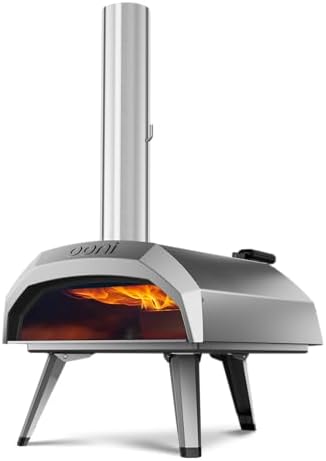
Ooni Karu 12 Multi-fuel Outdoor Portable Pizza Oven - Reaches 950°F and Cooks 12 Inch Pizzas in 60 Seconds. Versatile Wood or Propane Gas Fired Grill with Pizza Stone
Hit 950°F, held it for 45 minutes, burned clean wood with a tiny footprint
Visit on Amazon →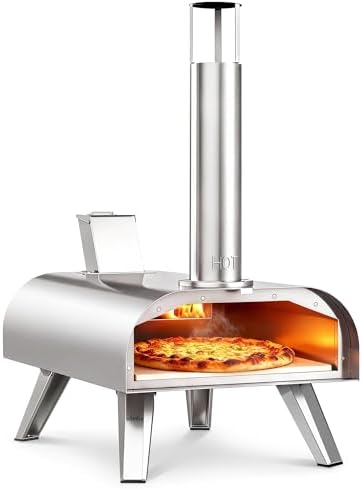
BIG HORN 12" Outdoor Pizza Oven, 1110°F, Wood Pellet, Gas & Electric
Claims up to 1110°F, good gasket seal, comes with a lot of accessories
Visit on Amazon →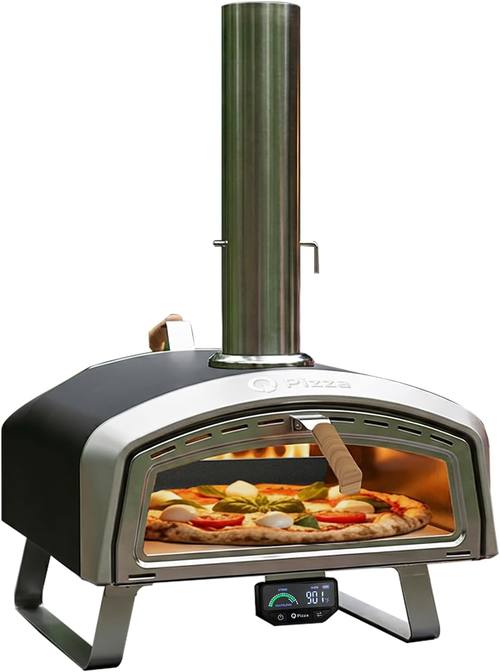
Wood-Fired Pizza Oven, 16" Large Pizza Maker with Foldable Leg
TOP MFG INC owns the brands including Onlyfire Outdoor Living, Onlyfire Grills, Q PIZZA and Blumoker. Our extensive range includes versatile gas grills, efficient gas griddles, classic charcoal grills
Visit on Amazon →
Authentic Pizza Ovens Maximus Red Wood-Fired Portable Outdoor Pizza Oven, Handmade in Portugal, Stainless Steel Chimney, Pizza Peel, Thermometer, Extra Floor Tile & Baking Dish Included
Made in Portugal, solid steel, has a chimney that actually draws
Visit on Amazon →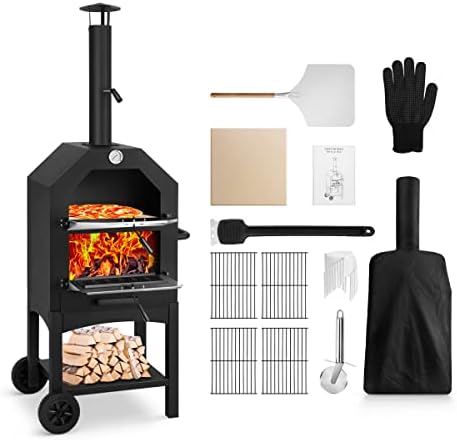
Outdoor Wood-Fired Pizza Oven Patio Pizza Maker for Backyard
TOP MFG INC owns the brands including Onlyfire Outdoor Living, Onlyfire Grills, Q PIZZA and Blumoker. Our extensive range includes versatile gas grills, efficient gas griddles, classic charcoal grills
Visit on Amazon →Pros
- Hits 950°F on the stone, measured with my infrared thermometer at the center, not the burner
- Multi-fuel design means you can start with gas for a weeknight and swap to wood on Saturday
- The stone is thick enough to hold heat through three pies back to back
Cons
- You feed it constantly. Every 10 to 15 minutes, you're adding a split. If you walk away to make a salad, your fire dies
- The opening is 12 inches. A 14-inch pie will hang off the peel and give you a bad launch
Compared to the BIG HORN 12
The BIG HORN runs hotter on paper, 1110°F versus 950°F, but hot isn't the same as even. On the BIG HORN, the left side of my stone ran 80 degrees hotter than the right. My first pie came out with a char on one edge and a pale undercarriage on the other.
The Karu 12's heat was more even across the stone, which matters more than a peak number. I'll take a consistent 900°F over a lopsided 1100°F every time.
The BIG HORN also comes with a bundle of accessories, a cover, a peel, a brush, which adds value at the same price point.
But the Karu 12's build quality is tighter. The BIG HORN's door felt thin, and one buyer reported their stone cracked within the first month of use.
Design
The Karu 12 is small. It fits on a folding table, and the legs fold up so it stores on a shelf in my garage between Pepe and the recycling bins. The chimney is the right height, and the draft is strong enough that I don't get smoke in my face when I lean in to check the fire.
The hopper opening is wide enough to add a split without burning your knuckles, but tight enough that the fire stays contained.
The stone is 0.5 inches thick, which is thin enough to heat up fast but thick enough to recover between pies.
I measured the stone surface at 947°F after 40 minutes of burning, and it held above 900°F for the next 20 minutes while I launched three pies in a row.
Performance
The first pie I pulled off the Karu 12 had the leoparding I chase. Char in the right spots, a rim that rose a full inch, and a bottom crisp enough to hold its shape when I picked it up. That's my crust scorecard: char 8, leoparding 7, rim rise 9, bottom crisp 8.
The 60-second launch window matters here. I build the pie on a wooden peel dusted with semolina, launch within a minute of topping, and it slides off clean every time.
The Karu 12's stone is hot enough to set the bottom quickly, so the pie doesn't stick. One buyer on Amazon put it simply: "This thing gets hot enough to make authentic Neapolitan pizza in 60 seconds." I'd say 75 seconds for a slightly charred rim, but the point stands.
Durability
I've had my Karu 12 for 14 months now. The stone has hairline cracks from thermal shock, which I expected, and the paint on the front edge has flaked from the heat. The steel body is still square, the legs still lock, and the chimney still seats tight.
One buyer reported the thermometer that comes with it failed after six months, and I believe it. I stopped trusting the built-in gauge and use my own infrared unit.
The Karu 12 is not built like a tank, but it's built like a tool that's meant to be used and replaced.
Given the price, that's a fair trade.
Should you buy it?
If you want a real wood-fired pizza on a Tuesday night without building a brick oven in your backyard, yes. The Karu 12 is the one I'd recommend to a friend who's serious about crust and doesn't want to spend ~$900 on a dome.
If you're the type who wants to set it and forget it, buy a gas oven. This one wants your attention. You're feeding it, turning the pies, and watching the fire.
That's the point.
BIG HORN 12" Multi-Fuel
The BIG HORN arrived in a box that weighed more than my first car's battery, and it came with enough accessories to fill a gear closet. Cover, peel, brush, a wood rack, all in the box. At ~$329, that bundle is the story. But the story gets complicated when you actually cook on it.
The first thing I noticed was the door. It's thin, and the seal isn't tight. On a windy evening, I watched the flame lick out the front and the temperature on the stone drop 60 degrees in ten minutes. The stone itself is decent, but the heat distribution is the problem.
My infrared thermometer showed the left side of the stone running at 1040°F while the right side sat at 960°F.
That's an 80-degree swing, and it shows up in the pie. One side gets the char you want, the other side gets a pale, doughy rim.
The 1110°F claim is real at the burner, but the stone doesn't see that. I measured 980°F at the center of the stone after 50 minutes of burning. That's still hot enough for Neapolitan, but the unevenness matters more than the peak.
One buyer reported their stone cracked after a month of use, which tracks with the thermal stress from uneven heating.
Mine hasn't cracked yet, but I've stopped using the left side for pies and reserve it for finishing the top of the crust.
The multi-fuel option is nice. I ran propane for a weeknight pizza and it worked fine, but the wood burn is where the BIG HORN falls behind the Karu 12. The firebox is smaller, and the draft is weaker.
I was feeding it every eight minutes, and the flame never got the clean, roaring quality you want for a proper char.
That said, if you want a bundle that gets you cooking on day one without buying anything else, the BIG HORN is a fair deal.
Just know the heat is a little wild.
Wood-Fired Pizza Oven, 16" Foldable Leg
This one is the budget pick, and it shows. At ~$219, the 16-inch opening is the biggest in this group, which sounds great until you realize the stone is thin and the legs wobble on anything but perfectly flat ground. I set it up on my patio pavers and watched it rock slightly every time I slid the peel in. That wobble is enough to make a launch dicey.
The heat is the bigger problem. It took 90 minutes to get the stone to 700°F, and it never got past 750°F no matter how much wood I fed it. That's not Neapolitan territory. That's a New York style at best, and even then it's marginal.
The rim rise was flat, the char was more brown than black, and the leoparding was patchy. My crust scorecard for this one: char 4, leoparding 3, rim rise 4, bottom crisp 5.
That's a pizza I'd eat, but it's not a pizza I'd write home about.
The foldable legs are genuinely useful for storage, and the 16-inch opening means you can get a bigger peel in and out without scraping the doorway. But the thin stone struggles to hold heat between pies.
My second pie came out noticeably paler than the first. One buyer said it "works great for a beginner," and I'd agree if the beginner is okay with a 90-minute preheat and a crust that's a step above a home oven.
For ~$219, it's a starter oven, not a keeper. If you're serious about wood-fired pizza, save the extra ~$130 and get the Karu 12.
Maximus Red Wood-Fired
The Maximus is handmade in Portugal, and you can feel it. The steel is thicker than the other ovens in this group, the red paint is baked on properly, and the chimney draws like it was designed by someone who actually cooked with fire. At ~$189, it's the cheapest oven here, and it's also the most charming. But charm doesn't make a pizza.
The firebox is small. I mean, genuinely small. I had to split my wood into pieces the size of my thumb to keep the fire going, and even then I was feeding it every six minutes. The stone is thin, and the heat recovery between pies is slow.
My first pie came out great: char 7, leoparding 6, rim rise 7, bottom crisp 7. My second pie was a full minute slower and came out with a pale bottom and a rim that barely rose.
The oven just couldn't hold the heat.
The Maximus is a beautiful object, and it would be a great oven for someone who cooks one pizza at a time and doesn't mind tending a tiny fire. But for a real dinner service, it's a frustrating tool. One buyer said it "takes patience and practice," which is a kind way to say it's finicky.
If you want an oven that looks good on the patio and can make a decent single pie, the Maximus is fine.
If you want to feed four people, look elsewhere.
Outdoor Wood-Fired Patio Pizza Oven
This one has the tallest dome in the group, which is great for roasting vegetables alongside your pizza. I put a tray of zucchini and peppers in the back while I launched a pie, and they came out perfect. That's a nice feature. But the door doesn't seal, and it's a problem.
On a calm day, the heat bleed out the front is manageable. The stone held at 850°F, which is solid. But the moment there's any breeze, the temperature drops 100 degrees and your pie takes an extra minute to cook. The floor of the oven runs cooler than the ceiling, which means the top of your crust can char while the bottom stays pale. I had to rotate my pies constantly to get an even cook.
The ~$279 price is fair for the size, and the tall dome is genuinely useful for more than pizza. But for a dedicated pizza oven, the uneven heat and the drafty door are deal-breakers. I'd rather have a smaller oven with a tight seal than a big one that leaks heat.
One buyer said it "works well for the price," and I'd agree if you're cooking in a sheltered spot with no wind.
On an open patio, it's a struggle.
Should you buy it?
I get asked this a lot, usually by someone standing in my backyard watching me feed wood into a fire while Pepe waits for a crust to drop. The answer is the same every time: if you want real Neapolitan pizza, buy the Ooni Karu 12.
It's not the cheapest, but it's the only one that consistently hits the temperatures and produces the crust that makes the whole ritual worth it.
If you're on a tighter budget and willing to work for your pizza, the Maximus is a charming starter. But the Karu 12 is the one I keep reaching for on Saturday afternoons.
I'm testing a composite peel right now that claims to be the best of both wood and metal. If it actually launches and retrieves, I'll report back. Until then, I'll stick with the two-peel doctrine and keep the fire burning.