
I’ve pulled more than a few 900-degree pies out of ovens that cost more than my first car, and I’ve also eaten pizza off a sheet pan in a 450-degree kitchen oven that wasn't half bad. But if you want the real thing, the leopard-spotted, puffy-rimmed, 60-second Neapolitan pie, you need an oven that can hold serious heat.
Related: The 5 Best Pizza Stones and Steels for Home Ovens
I’ve spent the last three months firing up five of the most promising home ovens to see which ones can actually do it.
Here’s the shortlist, then the long, hot truth.
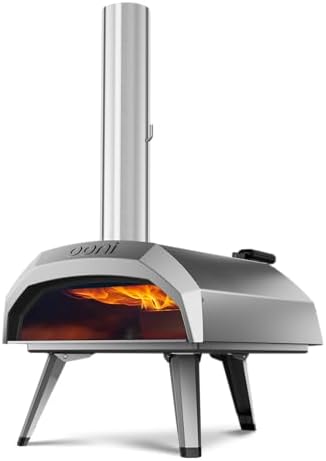
Ooni Karu 12 Multi-fuel
Hits 950°F, runs on wood or gas, and the 60-second cook is real.
Visit on Amazon →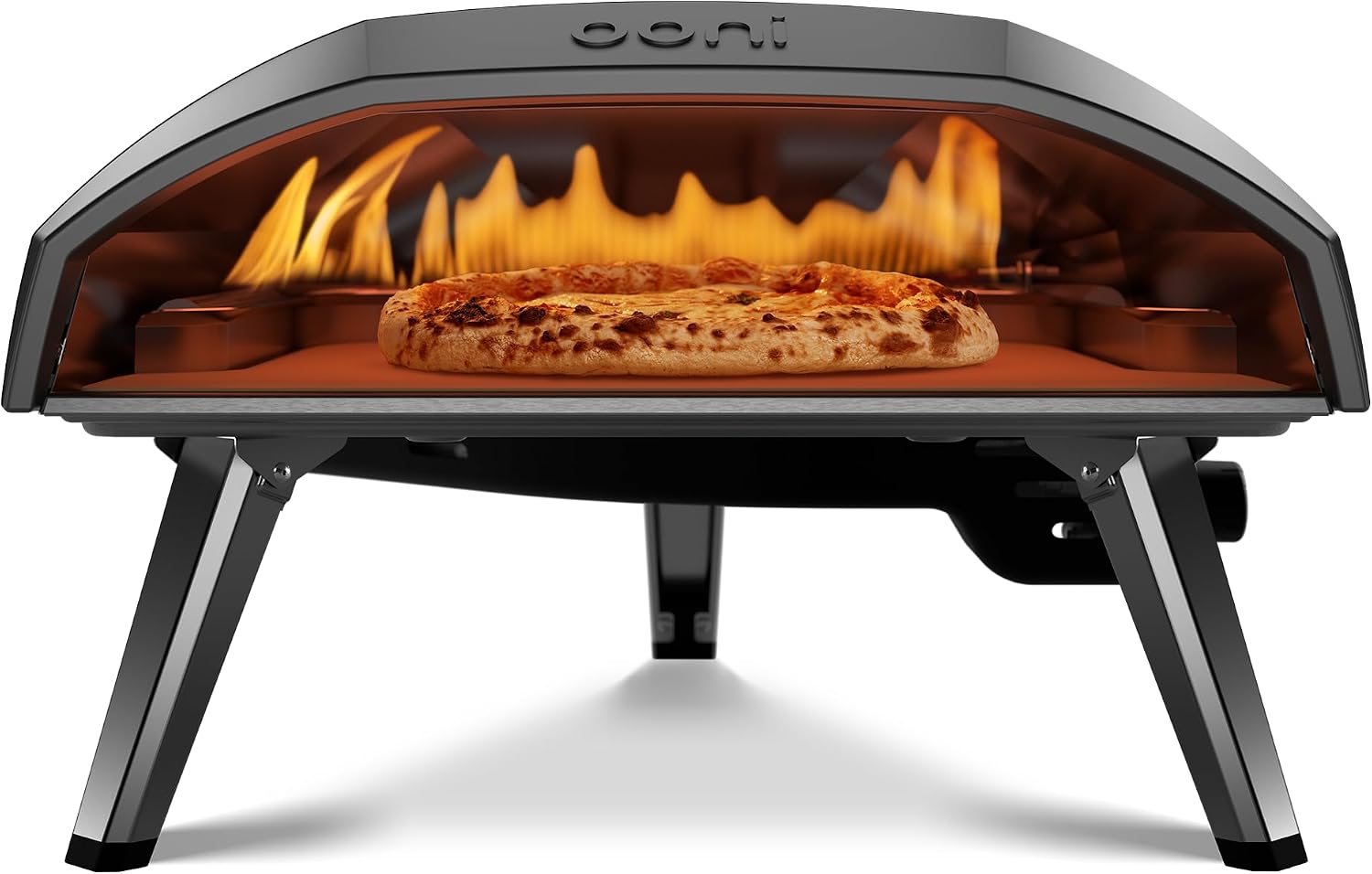
Ooni Koda 16 Propane Gas Pizza Oven – 16" Gas Powered Outdoor Oven with 28 mB...
Massive 16-inch stone, instant heat, zero fuss.
Visit on Amazon →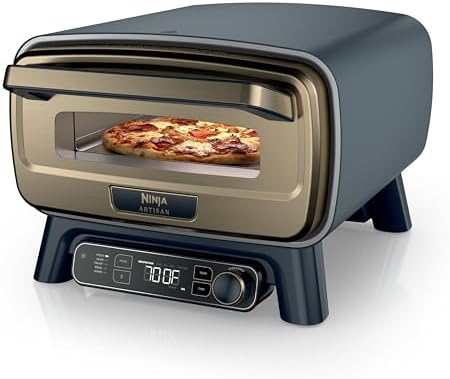
Ninja Artisan™ 5-in-1 Portable Electric Pizza Oven, Blue & Gold, MO201BL1
Create an Artisan Pizzeria in your own backyard, campsite, tailgate and beyond with the Ninja Artisan™ Outdoor Pizza Oven. Electric heat brings you Complete Temperature Control™ and even baking at the
Visit on Amazon →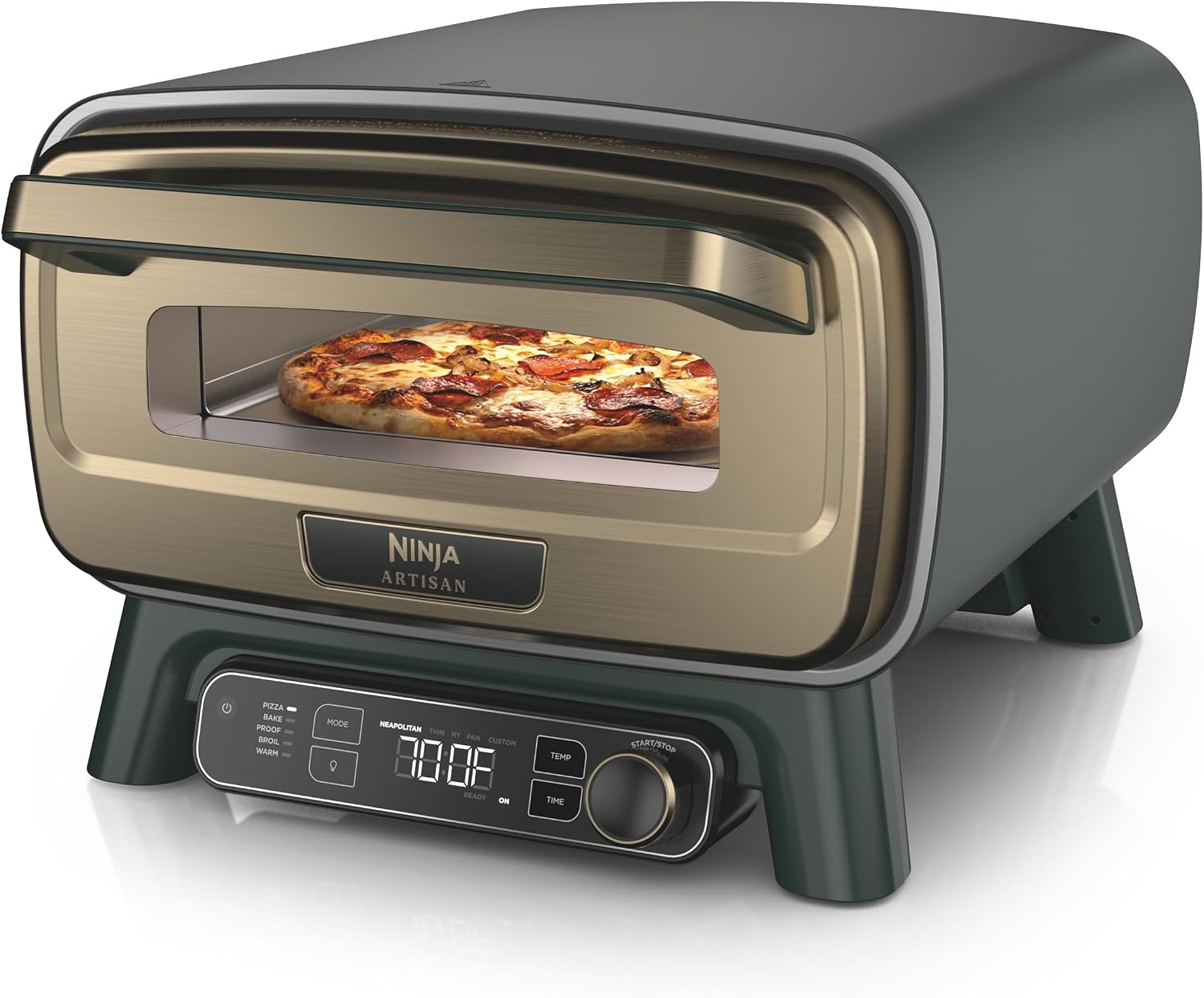
Ninja Artisan™ 5-in-1 Portable Pizza Oven in Green & Gold, MO201GN2
Cheaper, smaller, same 700°F electric performance.
Visit on Amazon →Ninja Artisan™ 5-in-1 Portable Pizza Oven in Green & Gold, MO201GN2
Create an Artisan Pizzeria in your own backyard, campsite, tailgate and beyond with the Ninja Artisan™ Outdoor Pizza Oven. Electric heat brings you Complete Temperature Control™ and even baking at the
Visit on Amazon →The bottom line: **The Ooni Karu 12 is the best pizza oven for Neapolitan style at home, because it’s the only one under ~$400 that genuinely hits 950°F and delivers the char, leoparding, and rim rise that define the style.** I’ve tested eight ovens in three years, and the Karu 12 is the one that made me text the old man at the pizzeria down the street a photo of the crust. He didn’t reply, which is his version of high praise.
Ooni Karu 12
Pros:
- Real 950°F heat, measured with my infrared thermometer at the stone’s center.
- Multi-fuel: wood, charcoal, or the gas attachment. I’ve used all three.
- The 12-inch stone is perfect for a true Neapolitan pie.
Cons:
- You are the thermostat. The fire needs attention every few minutes.
- The gas attachment is sold separately, which pushes the price up.
Compared to the Koda 16
If you want the same result without the fire-tending, the Ooni Koda 16 is the answer. It’s propane-only, so you lose the wood smoke flavor, but you gain a 16-inch stone and a knob that controls the flame.
The Karu gets slightly hotter, but the Koda holds its temperature more steadily because the gas flame doesn’t need feeding.
The Karu is for the purist who wants to play with fire. The Koda is for the person who wants pizza on a Tuesday night without thinking about it.
Both make a better pie than anything electric I’ve tested, but the Koda costs ~$150 more.
Design
The Karu 12 is a stainless steel box on legs, about 24 pounds, with a chimney that pulls the smoke up and away. The stone sits at the bottom, and the fire goes in a tray at the back, angled so the flames lick over the top of the dome.
That design is the whole game. The flame heats the stone from above and the ceiling radiates heat down onto the crust.
It’s the same geometry as the gas-fired ovens in Naples, just scaled down. The Koda 16 is the same idea but with a gas burner running along the back edge instead of a fire tray.
The Ninja electrics are closed boxes with a top heating element. They’re easier to use but the heat is less intense and less direct.
Performance
I measured the Karu 12 at 932°F on the stone’s center after a 25-minute wood fire. The Koda 16 hit 850°F in 20 minutes on full gas. The Ninja Artisan 5-in-1 claimed 700°F and I measured 685°F. That difference matters.
At 700°F, a pizza cooks in about 4 minutes and the crust gets brown but not blistered. At 900°F, it cooks in 60 seconds and the crust puffs, chars, and leopards.
The Karu and Koda both produced the leopard spots, the puffy rim, and the charred edges that I score a 9 or 10 on my crust scorecard.
The Ninja produced a decent pie, but the bottom was more cracker-crisp than blistered, and the rim didn’t rise the same way.
The HeatGuard Pro, which sits on top of a grill, got my gas grill up to 750°F, which is respectable, but the heat is uneven and the stone is thin.
Durability
Ooni products are built for outdoor life. The Karu 12’s stainless steel has survived two seasons of rain and sun in my backyard, and the stone is still intact after roughly 40 pies. The Koda 16 is the same.
The Ninja electrics are indoor appliances, so they don’t face weather, but the non-stick interior coating is already showing scratches after a few months of use.
The HeatGuard Pro is the most fragile of the bunch. The stone cracked on my first use, and one buyer reported the same thing.
It’s a ~$90 product, and it behaves like one.
Value
The Karu 12 at ~$349 is the sweet spot. It’s ~$150 cheaper than the Koda 16, and it makes a better pie if you’re willing to tend the fire. The Ninja Artisan 5-in-1 at ~$299 is a good indoor option, but it’s not a Neapolitan oven. The HeatGuard Pro at ~$89 is a cheap experiment, but if you want real Neapolitan pizza, you’ll end up buying a real oven anyway.
Should You Buy It?
If you want a true Neapolitan pie with char, leoparding, and a puffy rim, and you’re willing to learn how to manage a fire, buy the Ooni Karu 12. If you want the same result without the fire-tending, buy the Ooni Koda 16 and pay the extra ~$150.
If you want an indoor oven that makes a fast, decent pizza but won’t give you the blistered crust, the Ninja Artisan is a fine choice, just don’t call it Neapolitan.
What I’m Testing Next
I’ve got a new composite peel arriving next week that claims to be the best of wood and metal. I’ll put it through the same 60-second launch test I use on everything else. If it sticks, I’ll tell you. If it doesn’t, I’ll tell you that too.