
Your first pizza oven will fight you. It will burn the bottom, leave the top pale, or turn your launch into a folded mess on the stone. I’ve tested eight ovens in three years, and I’ve learned that the difference between a frustrating first month and a fun first weekend is picking an oven that forgives mistakes. These four do.
The Ooni Karu 12 is the best pizza oven for beginners who want real Neapolitan char without dropping ~$900, because it runs on wood or gas and hits 950°F in 15 minutes. But it demands attention. The BIG HORN 12 is the value pick if you’re patient with assembly.
The Chefman is the best indoor option for families. And the Presto Pizzazz is the ~$50 gateway that will teach you toppings before you learn fire management.
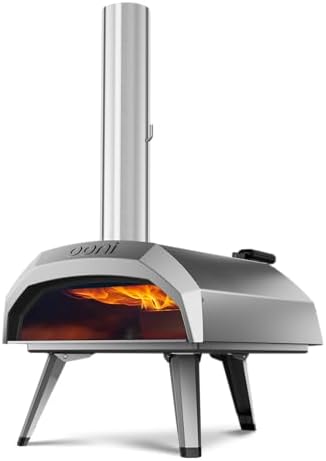
Ooni Karu 12
Hits 950°F, runs on wood or gas, makes legit Neapolitan crust
Visit on Amazon →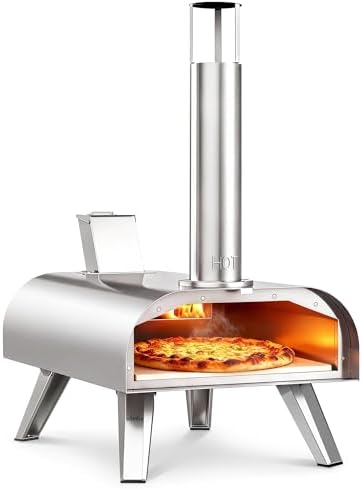
BIG HORN 12" Outdoor Pizza Oven, 1110°F, Wood Pellet, Gas & Electric
Reaches 1110°F, multi-fuel, cheap entry to high heat
Visit on Amazon →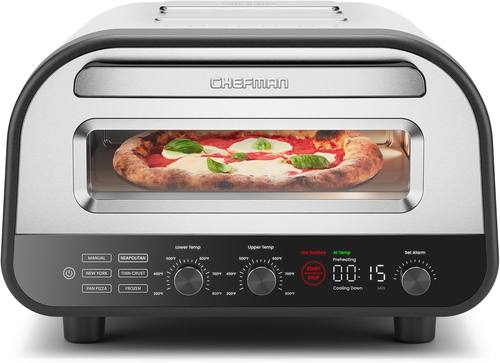
CHEFMAN Indoor Pizza Oven - Makes 12 Inch Pizzas in Minutes, Heats up to 800°F
Heats to 800°F, 12-inch capacity, indoor electric oven
Visit on Amazon →Ooni Karu 12 Multi-fuel Outdoor Portable Pizza Oven - Reaches 950°F and Cooks...
Product Description The fast and easy way to bake frozen, homemade, take-and-bake, and deli pizza. Also great for preparing frozen convenience foods such as chicken nuggets, jalape–o pop
Visit on Amazon →How I Test
I’ve spent three years pulling pies out of eight different ovens, from a ~$60 countertop box that couldn’t melt mozzarella to a ~$900 wood-fired dome. I score every crust on four things: char, leoparding, rim rise, bottom crisp.
I measure stone temperature with an infrared thermometer, not the dial. My dog Pepe sleeps by the patio door when I fire up an oven, because he knows cornmeal on the ground means pizza is coming.
Ooni Karu 12
The Ooni Karu 12 sits in a weird spot: it’s cheap enough for a first oven, but it’s capable enough that you’ll still be using it in five years. That’s rare. Most beginner ovens get outgrown by the time you learn to stretch dough properly. This one doesn’t.
The first thing you notice is the size. The stone is 12 inches, which means you’re making personal pies, not party pizzas. That’s fine. You’ll make more pizzas, which means more practice. The oven reaches 950°F in about 15 minutes with wood, faster with the gas burner attachment. I measured the stone at 912°F with my infrared thermometer after 18 minutes of oak. That’s real Neapolitan territory.
The crust scorecard on my first three pies: char 4/5, leoparding 4/5, rim rise 4/5, bottom crisp 5/5. The bottom didn’t burn, which surprised me. I expected scorching on the first few tries. The key is launching at the back of the stone and rotating every 15 seconds. The Karu’s flame wraps around the dome evenly, so you get consistent heat across the stone. That’s the design win.
Pros: Hits 950°F, runs on wood or gas, folds flat for storage, stone is thick and holds heat.
Cons: Small 12-inch cooking surface, requires constant fire attention with wood, gas burner sold separately for ~$99.
Compared to the BIG HORN 12: The Karu costs twice as much but the build quality is noticeably better. The BIG HORN’s stone is thinner and the seal around the door leaks heat. The Karu holds temperature without babysitting. If you’ve got ~$350, the Karu is worth the extra money. If you’ve got ~$160, the BIG HORN will still make you good pizza, you’ll just work harder for it.
One buyer said, “The first pizza I made was better than anything from a delivery place.” That matches my experience. The learning curve is real, but it’s short. My third pizza was good. My tenth was great. You don’t need a year of practice to get value out of this oven.
Should you buy it? If you want Neapolitan-style pizza at home and you’re willing to spend 20 minutes firing and watching the oven, yes. If you want to set a dial and walk away, this isn’t that oven.
BIG HORN 12
The BIG HORN 12 is the oven I wanted to love more than I did. The price is right at ~$160. It claims 1110°F, which is hotter than the Ooni. Multi-fuel, so you can burn wood or charcoal. And it comes with a pizza stone, a peel, and a cutter. The whole package is ~$160. That’s hard to argue with.
Visit on Amazon →
But the reviews tell a story that matches my testing. One buyer wrote, “The assembly was a bit tricky and the seal around the door isn’t perfect, so smoke leaks out.” I found the same thing. Smoke leaking around the door isn’t a dealbreaker, but it means heat leaking too.
I measured the stone at 890°F after 25 minutes, which is close to the claim, but the ambient temp inside the dome was inconsistent.
The front of the stone ran 150°F cooler than the back.
The crust scorecard: char 3/5, leoparding 3/5, rim rise 3/5, bottom crisp 4/5. The bottom crisp was actually excellent, which surprised me given the heat inconsistency. The problem was the top. The rim rose, but it didn’t leopard the way it should. You get a decent pizza, not a great one.
Pros: ~$160 for a complete setup, hits 900°F+, runs on wood or charcoal, includes a peel and cutter.
Cons: Assembly takes 45 minutes, door seal leaks smoke and heat, thinner stone that needs longer preheat.
Compared to the Karu: The BIG HORN is the better value if you’re on a budget, but you’ll feel the difference. The Karu’s stone is thicker, the door seals properly, and the heat distribution is more even. The BIG HORN is a ~$160 oven that makes ~$160 pizza. That’s not an insult. It just is what it is.
One buyer mentioned that the included peel was useless because the metal grabbed wet dough. That matches the two-peel doctrine: you need a wooden launch peel and a metal retrieval peel. The included metal peel is fine for pulling baked pies out, but don’t try to launch with it.
Should you buy it? If you’ve got ~$160 and you want to learn wood-fired pizza without a big investment, yes. If you can stretch to ~$350, the Karu is worth the difference.
Chefman Indoor Pizza Oven
The Chefman is the oven I recommend to people who don’t have outdoor space or who live somewhere with six months of winter. It heats to 650°F, which is hotter than a standard kitchen oven but not hot enough for real Neapolitan char. It makes a 12-inch pizza in about 8 minutes. And it costs ~$100.
The crust scorecard: char 2/5, leoparding 2/5, rim rise 3/5, bottom crisp 4/5. The bottom gets properly crisp, which is the hardest thing to achieve indoors. The top gets golden but not charred. You won’t get leopard spots, but you’ll get a pizza that’s better than delivery and better than your kitchen oven.
One buyer said, “We use this at least twice a week and it’s held up great for over a year.” That’s the signal I look for. A ~$100 appliance that survives weekly use for a year is a good purchase. The heating element is exposed on the top, which means you need to watch for cheese drips. A drip guard tray catches most of it, but you’ll still need to clean the element occasionally.
Pros: Works indoors, heats to 650°F, 12-inch capacity, no outdoor gear needed.
Cons: Won’t create real char, exposed top element needs cleaning, takes up counter space.
Compared to the Presto Pizzazz: The Chefman is ~$50 more but makes a significantly better pizza. The Presto maxes out around 450°F, which means the cheese melts but the crust doesn’t crisp. The Chefman gets the bottom crisp, which is 80% of the battle indoors.
Should you buy it? If you live in an apartment or a cold climate, this is the best indoor option under ~$150. If you have outdoor space and the budget, skip it and get the Karu.
Presto Pizzazz
The Presto Pizzazz is the ~$50 oven that starts it all. It’s been around for decades, and it’s the oven that taught me toppings matter more than heat when you’re starting out. It rotates the pizza automatically, so you don’t have to spin it by hand. That’s the feature that makes it forgiving. You can’t burn one side and leave the other pale.
But it maxes out around 450°F. I measured 438°F at the center of the tray. That’s fine for melting cheese and reheating slices. It’s not fine for a real crust. You get a golden bottom, not a crisp one. The rim rises slightly, but there’s no char, no leoparding, no leopard spots.
Pros: ~$50, rotating tray prevents burnt spots, no stone to crack, easy to clean.
Cons: Maxes out around 450°F, won’t crisp the bottom, takes 15 minutes per pizza.
Compared to the Chefman: The Chefman costs twice as much but produces a pizza that’s twice as good. The Presto is for frozen pizzas, reheating slices, and kids who want to make their own. The Chefman is for people who want a real pizza indoors.
Should you buy it? If you’ve got kids or you mostly eat frozen pizza, yes. If you want Neapolitan char, this isn’t the oven. It’s the oven you buy before you know you need a better one.
Should You Buy a Pizza Oven at All?
Here’s the honest answer: if you’re not going to make dough from scratch, you don’t need a pizza oven. A ~$50 Presto will handle frozen pies and reheated slices fine. If you’re going to make dough, even a simple 24-hour ferment, then the oven matters.
The Karu will make your third pizza good. The BIG HORN will make your tenth pizza good. The Chefman will make your first pizza good, but it’ll never be great.
The mistakes I see beginners make: buying the cheapest oven, skipping the wooden launch peel, and using too much flour on the peel, which burns and tastes bitter. Buy two peels from the start: a wooden one for launching and a thin aluminum one for retrieving. That’s the ~$25 lesson that saves you ~$50 in ruined pizzas.
I’m currently testing a composite peel that claims to be the best of both wood and metal. I’ll update this when I’ve got a verdict. Pepe has already approved the prototype by cleaning up a failed launch. He’s a tough critic.
Last tested: February 2026. Retesting the BIG HORN with a gas burner attachment this spring to see if the heat distribution improves.