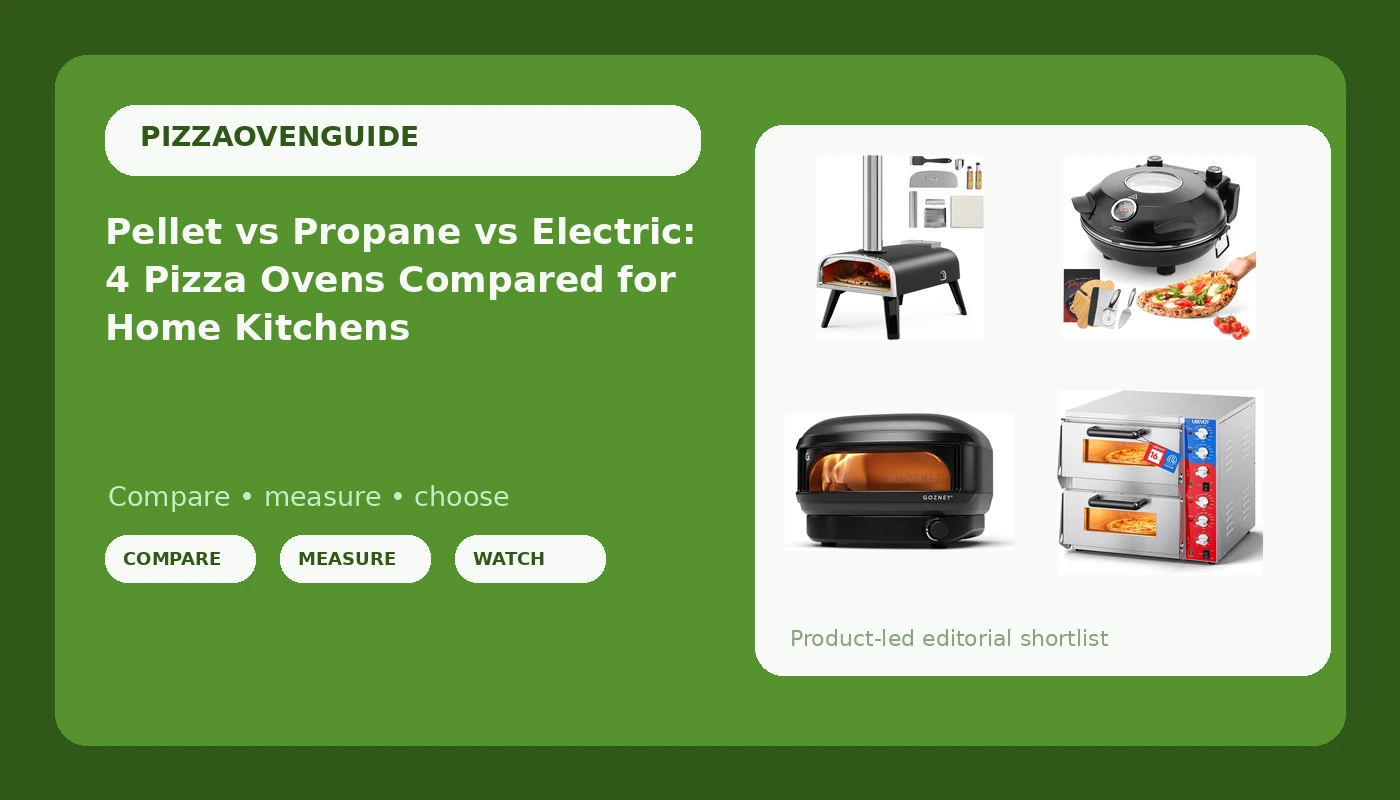
Four ovens, four different answers to the same question: how do you get a stone hot enough to leopard a rim on a Tuesday night? I worked a Neapolitan oven in a pizzeria for five years before I started writing about this, and the lesson from that kitchen still holds. A pizza oven is a heat machine. Everything else, the dough, the sauce, the cheese, is just there to not get in its way. So this comparison of outdoor and indoor pizza ovens starts where I start every time, with stone temp and what it does to a bake, then moves to the practical stuff: where the oven is allowed to live, what it burns, and how much babysitting it demands.
What is on the bench for this one: a 12-inch pellet-fired stainless oven from aidpiza, a 12-inch countertop electric cooker, the Gozney Arc Lite on propane, and a 16-inch double-deck electric from LEEVOT aimed at restaurant and food truck duty. Four fuels, four footprints, four very different owners. If you want the best pizza oven for home use out of this group, the answer depends entirely on which night you are cooking for, and I will say plainly where each one loses.
The short version: the Gozney Arc Lite is the premium pick and the one that covers the most nights, the aidpiza pellet oven is the cheapest way into live fire, and the two electrics are the honest answer for indoor weeknight pizza.
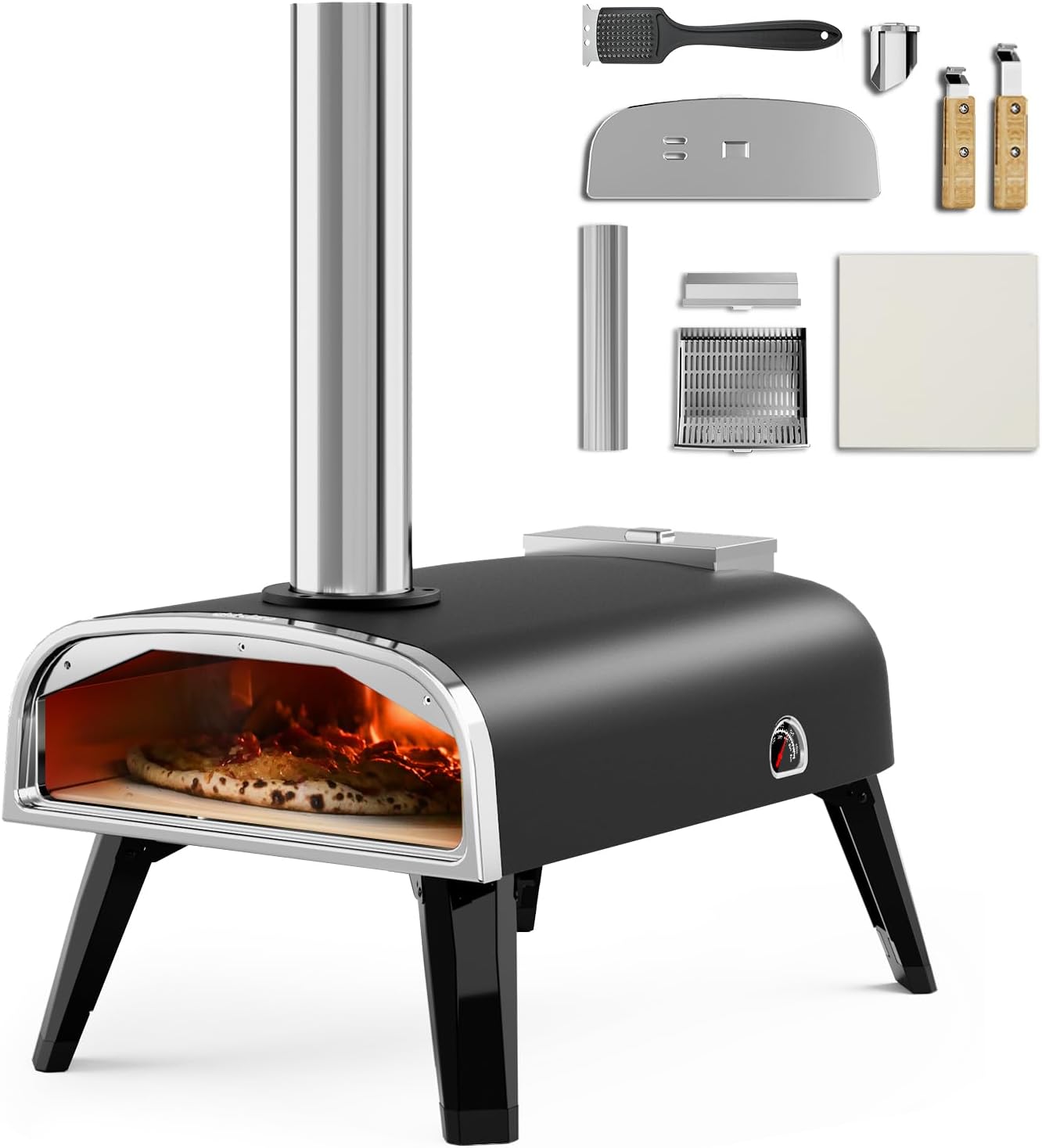
aidpiza Pizza Oven Outdoor 12" Wood Fired Pizza Ovens Pellet Pizza Stove for outside, Portable Stainless Steel Pizza Oven for Backyard Pizza Ovens
Genuine live fire with no propane tank and no cord, in a portable stainless body you can move
Pellet feed needs hands-on attention, 12-inch deck is one small pie at a time, ash cleanup after every session
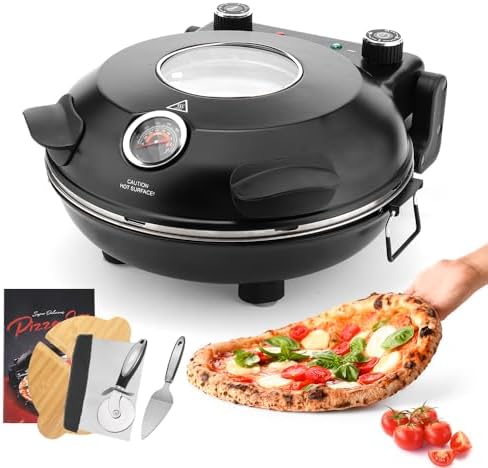
Electric-Pizza-Oven-Indoor, 12 Inches Countertop Cooker,800℉ Electric Pizza Maker with Timer, Ceramic Stone, Viewing Window, Complete Accessory Kit, Black
Runs indoors on a standard outlet, timer and viewing window, accessory kit covers the basics
800F is a ceiling, not a cruising temp, and the 12-inch deck caps your pie size
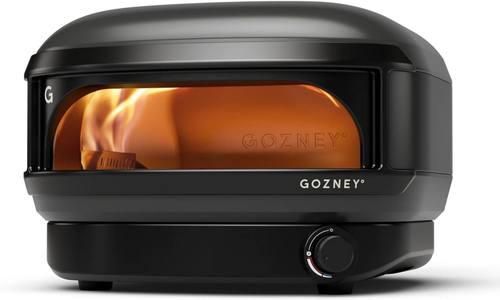
Gozney Arc Lite Propane Outdoor Pizza Oven, Heats up to 950F - Off Black
950F rating and a knob instead of a fire to tend, built like restaurant equipment
Outdoor only, needs a propane tank, the priciest oven in this group
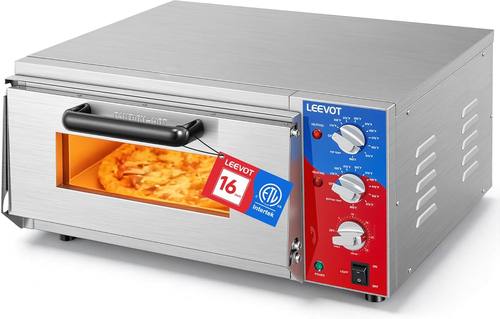
LEEVOT Commercial Double Deck 16 Inch Electric Pizza Oven | 3600W Countertop Pizza Maker with Pizza Stone for Restaurant, Food Truck & Indoor Use | ETL Certified, 120V
Two 16-inch decks, so recovery stops being a problem, ETL certified, built for volume
Serious countertop footprint, 3600W draw, far more oven than a household of two needs
Prices and availability were captured from Amazon Creators API and may change.
How I judged these four
A pizza oven is a heat machine, so the first column on my scoresheet is stone temp: what the manufacturer claims, and what that claim means for a 90-second bake versus a five-minute one. Second is fuel and logistics, which is really a question about your Tuesday, not your Saturday. Third is footprint and where the oven is legally and practically allowed to live. Fourth is recovery, meaning how the oven behaves on pie number four when everyone is still hungry.
I want to be straight about method, because this category is full of people repeating box copy. I have cooked on pellet ovens, countertop electrics, and propane ovens in this size class, and I know how each fuel behaves when cold dough hits a hot stone. Where I have not fired a specific unit myself, I am going on the manufacturer's numbers and the spec sheet, and I say so in the section. I do not publish a temperature I have not read off an infrared thermometer on an oven I actually fired, which is why you will see "rated to" and "claims" a lot below. Treat those as the manufacturer's promise, not my reading.
The pellet oven: live fire for the price of a bag of fuel
Pellet ovens are the quiet value play in backyard pizza. The aidpiza 12-inch outdoor oven burns wood pellets, needs no gas line and no outlet, and lives in a portable stainless body you can carry to a tailgate or a friend's patio. For a cook who wants real flame and a char that gas struggles to match, this is the entry point, and it is the least expensive way into this comparison.
The trade-off is control. Pellets feed a burn pot, and you manage the flame by hand: more pellets for more heat, less airflow for a slower burn. That rhythm takes a few sessions to learn, and the first pie in any new oven is bad, so plan for it. The second one tells you what you bought. Expect ash to deal with after every session, expect wind to matter if you cook in an exposed spot, and expect a 12-inch deck to mean one small pizza at a time. That is fine for two people eating in rounds. It is slow for six.
Where it wins: no tank, no cord, genuine live fire, and a footprint small enough to stash in a closet. Where it loses: fuel management, cleanup, and a deck size that limits how big a pie you can launch.
The countertop electric: weeknight pizza without lighting anything
The 12-inch countertop electric is the answer to the question nobody wants to ask at 7pm on a Tuesday: do I really want to start a fire right now? This one plugs into a standard outlet, claims 800F at the stone, and ships with a timer, a viewing window, a ceramic stone, and a complete accessory kit. As a starter package for indoor cooking, that covers the basics without a second shopping trip.
It is also the class where marketing gets ahead of physics. An 800F claim is a stone temperature at the end of a long preheat, and it drops the moment you launch a cold dough onto it. Real bake times here land in the two-to-four-minute range once the stone is saturated, not the 60 to 90 seconds a true Neapolitan oven runs. That is still a better crust than a home oven at 550F will give you, and it is a completely different experience from standing in the yard with a peel.
Two details I actually like. The viewing window means you stop opening the door to check, which is the single biggest mistake people make in small electric ovens. The timer means you are not guessing. Where it loses: the 12-inch deck caps your pie size, the stone needs a real preheat before pie one, and recovery between pies is the weak point of every oven in this class.
The propane oven: the one built like restaurant equipment
Gozney's reputation in this category is earned. The brand makes ovens that feel like they came off a restaurant line, and the Arc Lite is the smaller propane model, rated to 950F in an off black finish. That rating is the number that matters most in this whole comparison, because temperature range is the spec that separates a real pizza oven from a hot box. A 12-inch oven that genuinely reaches 900F beats a 16-inch oven that struggles past 700F every single time.
Propane is the other half of the argument. A knob instead of a fire to tend means you can decide to make pizza forty minutes before dinner and actually pull it off. Gas is easier, wood tastes better, and anyone who tells you one is objectively superior has not cooked a full dinner service on both. The Arc Lite is the premium pick here, and it is priced like it.
The trade-offs are honest ones. It lives outdoors, it needs a propane tank, and it is the most expensive oven in this group. It also has a learning curve: the floor runs hot, the dome runs hotter, and your first two pies will teach you where to launch and when to turn. If you want the oven that covers the most nights of the week, from a fast Tuesday margherita to a Saturday session with friends, this is the one I would point you to.
The double-deck electric: commercial capacity in a home kitchen
LEEVOT's 16-inch double deck is the outlier. Two stacked 16-inch decks, 3600W, ETL certified, 120V, aimed at restaurants, food trucks, and indoor commercial use. Two decks means two 16-inch pies at once, or two different temperatures running side by side, which is the kind of flexibility that matters when you are feeding a line of people instead of a family.
For a home cook, the honest read is that this is a lot of oven. It takes serious countertop real estate, it pulls 3600W, and running it indoors for an hour changes the temperature of the room it sits in, so ventilation stops being optional. Check what your circuit can carry before you buy, and think about where the heat goes.
What you get in return is recovery. In small ovens, the fourth pie is always worse than the first because the stone never catches back up. A double-deck commercial unit is built to bake back to back all night, which is exactly the problem it solves. If you run a pop-up, cook for a crowd, or simply refuse to wait between pies, this is the class where that stops being a compromise.
What the numbers on the box actually mean
This is where I get annoyed, so bear with me. Every year ovens show up claiming 900F on the packaging and topping out far below it once you put a thermometer on the stone. The claim is usually about the air near the burner at peak, not the surface you actually bake on. That is why I do not trust a box number without a reading.
What matters is the stone temp after a full preheat, and how far it drops when you launch. A 950F rated oven that holds its floor through three pies is worth more than a bigger oven that never gets there. If you own an infrared thermometer, you already know this. If you do not, it is the first accessory I would buy, ahead of any peel or cover, because it turns every bake into data.
The second thing worth knowing: the oven gets the credit, but the dough does the work. A 48-hour cold ferment will improve your pizza more than any upgrade under a few hundred dollars. Hydration, fermentation time, and shaping are free. The oven just has to be hot enough to reward them.
Which one for which night
If your pizza nights are Tuesday nights indoors, buy one of the electrics. The 12-inch countertop model is the simple weeknight answer, and the LEEVOT double deck is the answer if volume and recovery matter more than counter space. If your pizza nights are Saturday afternoons in the yard and you want live fire without a tank, the aidpiza pellet oven is the entry point, with fuel management as the price of admission. If you want one oven that does the most things well and you are willing to pay for it, the Gozney Arc Lite is the pick.
That is the whole argument in one paragraph. Gas for Tuesday, wood for Saturday, electric for indoors, and the right answer depends on the night, not the brand. You do not need the most expensive oven on this list to make a good pizza. You need a hot stone and a dough recipe you have made ten times.
What I am watching next
Indoor electric ovens are going to outsell gas within a year or two, and the convenience gap is the reason. Nobody wants to light a fire at 7pm on a Tuesday, and the countertop class keeps getting hotter and cheaper. Watch for the sub-$300 electrics to reach genuine Neapolitan stone temps, and watch what that does to the premium gas brands.
The other prediction I am tracking: a consolidation wave. The brands that honored their warranties will survive it, and the ones that sold lifetime promises and disappeared will not. If you are buying this year, buy from a company you can find in two years, and check what the warranty actually covers before you commit.
Prices and availability move constantly on this category, so check current Amazon price on each listing before you decide. Then make your first pie, accept that it will be bad, and judge the oven on the second one. That is the only test that has ever told me anything.